Plant-based protein comes mainly from pulses (beans, lentils, chickpeas and peas), soya foods such as tofu and tempeh, mycoprotein, nuts, seeds and whole grains. When eating out, look for dishes where one of these is the centre of the plate rather than a garnish, and if a vegan or vegetarian option is mostly vegetables and carbohydrate, ask whether beans, lentils, tofu or extra nuts and seeds can be added. You do not need to combine specific proteins at each meal; variety across the day is what counts.
That last point clears up one of the most persistent worries about eating plant-based away from home.
Key takeaways
- Pulses, soya foods, mycoprotein, nuts, seeds and whole grains all supply protein.
- Most plant foods lack one or more essential amino acids, so eat a variety across the day.
- Strict food combining at every meal is not required.
- On a menu, look for the protein first, then the vegetables and grains around it.
- If a dish has no obvious protein, ask for beans, lentils or tofu to be added.
What counts as plant-based protein
Harvard T.H. Chan School of Public Health’s guide to protein lists good plant sources as legumes (lentils, beans, peas, soy and peanuts), nuts and seeds, and whole grains such as quinoa, oats and rice. NHS guidance on the vegetarian diet names a similar list: pulses, nuts, seeds, eggs, tofu, mycoprotein, textured vegetable protein and tempeh.
On a restaurant menu, those ingredients turn up in familiar forms:
| Ingredient | Where you often see it |
|---|---|
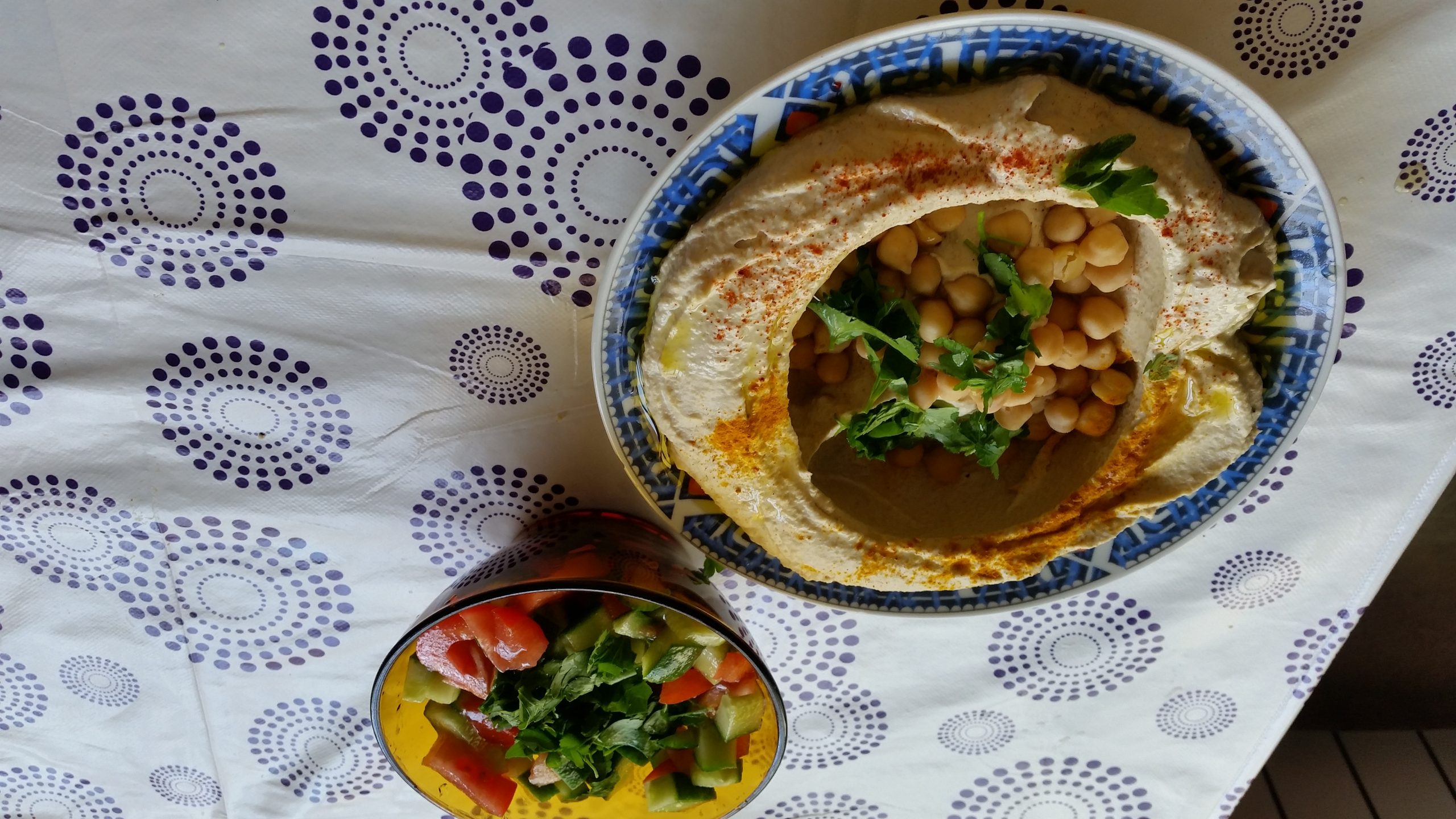
| Chickpeas | Hummus, falafel, chana masala, stews and salads |
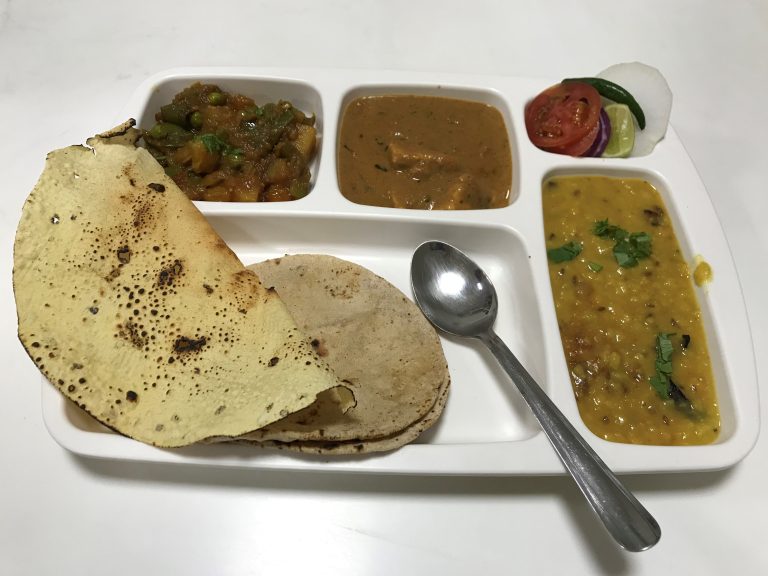
| Lentils | Dal, soups, lentil salads, some burgers |
| Beans | Chilli, burritos, refried beans, bean stews |
| Tofu | Stir-fries, curries, noodle soups, rice bowls |
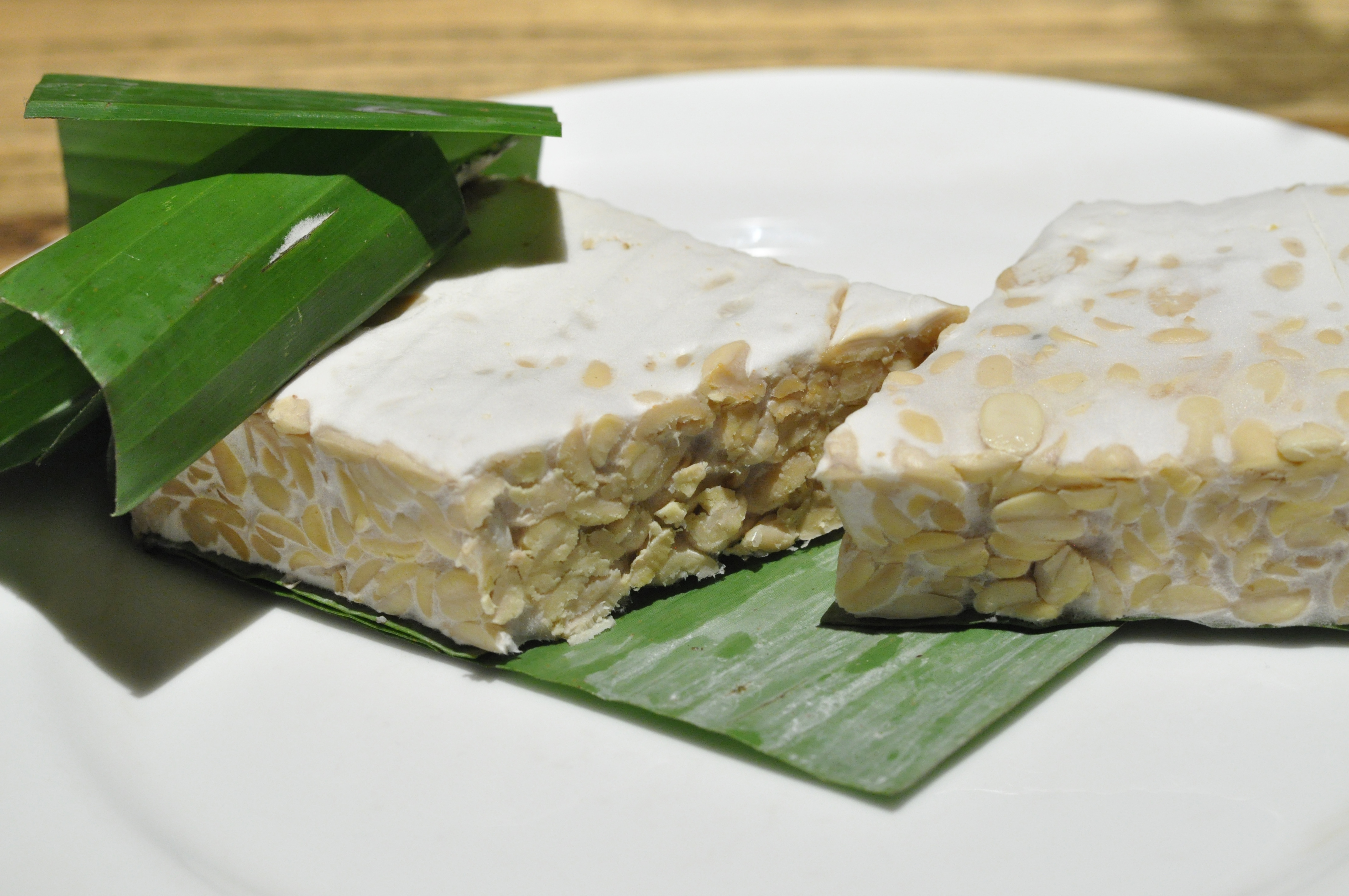
| Tempeh | Fried or grilled slices, bowls, sandwiches |
| Edamame and other soya beans | Starters, salads, poke-style bowls |
| Nuts and seeds | Sauces, toppings, crusts, nut-based cheeses |
| Whole grains | Quinoa salads, brown rice, oat-based dishes |
A useful habit is to scan a menu for these words first, then decide which of those dishes suits you.
Do plant proteins need to be combined?
This is the question that causes most confusion. Protein is made of amino acids, nine of which the body cannot make and must get from food. The Harvard guide explains that animal foods generally provide all of them in one package, while most plant foods lack one or more. That is where the idea of “complementary proteins” comes from: pairing grains and pulses, for example, so that each fills the other’s gaps.
The practical advice is simpler than it sounds. Harvard notes that people who avoid animal foods can eat a variety of protein-containing plant foods each day to get the amino acids they need. The NHS vegetarian guidance makes the same point, saying you need to eat a variety of different sources of protein to get the right mixture of amino acids. In other words, aim for variety over the day, not a perfect pairing on every plate.
How much protein do adults need?
Harvard’s guide notes that the US National Academy of Medicine recommends adults get a minimum of 0.8 grams of protein for every kilogram of body weight per day. Needs differ with age, health and activity, so if you have a specific target, it is worth discussing it with a dietitian.
The guide also makes a point that applies to eating out: protein comes in a “package” with fats, fibre, sodium and everything else in the food. A bean stew and a deep-fried, cheese-topped plant-based burger may both contain protein, but they are very different meals.
Finding plant-based protein on a menu
A few patterns make ordering easier:
- Start with cuisines that build dishes around pulses and soya. Indian, Middle Eastern, Ethiopian, Mexican and many East Asian menus have them as standard.
- Read the description, not just the label. A “vegan” dish may be roasted vegetables and rice with no protein ingredient at all.
- Ask for additions. Many kitchens can add chickpeas, beans, tofu, an extra portion of dal or a handful of seeds.
- Combine sides. Hummus with falafel, or a lentil soup with a bean salad, turns two starters into a well-rounded meal.
- Check the sauce. Nut-based sauces add protein, but they matter if anyone at the table has a nut allergy.
If you are vegan, our guide to eating vegan at restaurants covers how to read menus and ask for changes, and our explainer on vegetarian vs vegan vs pescatarian sets out which ingredients each diet includes. For a stricter vegetarian diet that also excludes some root vegetables, see our guide to the Jain diet when dining out.
Frequently asked questions
Is tofu a complete protein?
Tofu is a useful protein source, but the more helpful question is whether your day as a whole is varied. Harvard and the NHS both advise eating a range of protein-containing plant foods, such as pulses, soya, grains, nuts and seeds, rather than relying on any single one.
Are meat substitutes a good source of protein?
They can be made from soya, wheat, mycoprotein or other ingredients, and they vary widely in protein, salt and fat. Check the menu description or ask what the patty or substitute is made from.
Is a vegetarian dish with cheese enough protein?
Cheese and eggs do provide protein for vegetarians who eat them, but dishes built mainly on cheese can be heavy in saturated fat and salt. Balancing them with pulses or tofu on other occasions adds variety.
Order the protein first
Next time you look at a menu, find the chickpeas, lentils, beans, tofu or tempeh before anything else, then build your meal around them. If they are missing, ask; it is a small request most kitchens can meet. Explore more practical guides in our vegan and vegetarian section.