A flexitarian eats a mostly meat-free diet but sometimes includes meat or fish. Merriam-Webster defines a flexitarian as someone who mostly follows a meatless diet but sometimes eats meat or fish, and dates the word’s first known use to 1998. There are no fixed rules, which is the appeal: you decide how often meat appears on your plate. When you eat out, that flexibility makes ordering easy, but it also helps to have a few habits so that “mostly plants” does not quietly become “mostly the usual”. This explainer covers what the approach involves and how to apply it on a menu.
Key takeaways
- Flexitarian eating means mostly plant-based meals, with meat or fish some of the time.
- It differs from vegetarian and vegan diets because nothing is strictly excluded.
- At restaurants, start with vegetable-led dishes and treat meat as an occasional choice or a side.
- Pay attention to protein, iron and vitamin B12 if you cut down a lot on animal foods.
What being flexitarian means
There is no official definition beyond the dictionary one, so people use the word differently. Some eat meat at one meal a week; others go vegetarian on weekdays and eat meat at weekends; others simply choose plant-based options most of the time and eat meat at family meals. What they share is a deliberate shift towards plants without ruling anything out completely.
This sits between the diets we compared in vegetarian vs vegan vs pescatarian:
| Approach | Meat | Fish | Dairy and eggs |
|---|---|---|---|
| Vegan | No | No | No |
| Vegetarian | No | No | Usually yes |
| Pescatarian | No | Yes | Usually yes |
| Flexitarian | Sometimes | Sometimes | Usually yes |
| Omnivore | Regularly | Regularly | Yes |
Why some people choose a flexitarian approach
Reasons vary: health, cost, the environment or simply enjoying vegetable dishes. On health, the NHS advises that if you eat more than 90g of red and processed meat a day, you should cut down to 70g, because eating too much probably increases the risk of bowel cancer. It suggests smaller portions, eating these meats less often or swapping them for alternatives, which is close to what many flexitarians do anyway. For more on the environmental side, our plant-based eating myths and facts looks at what the evidence says.
Ordering as a flexitarian at restaurants
Flexitarian eating is one of the easiest dietary approaches to follow when eating out, because every menu works for you. A few habits help:
- Start with the vegetarian section. Read it first and only move on if nothing appeals.
- Make meat a side, not the centre. Small plates and sharing dishes let you have a little meat alongside vegetable dishes.
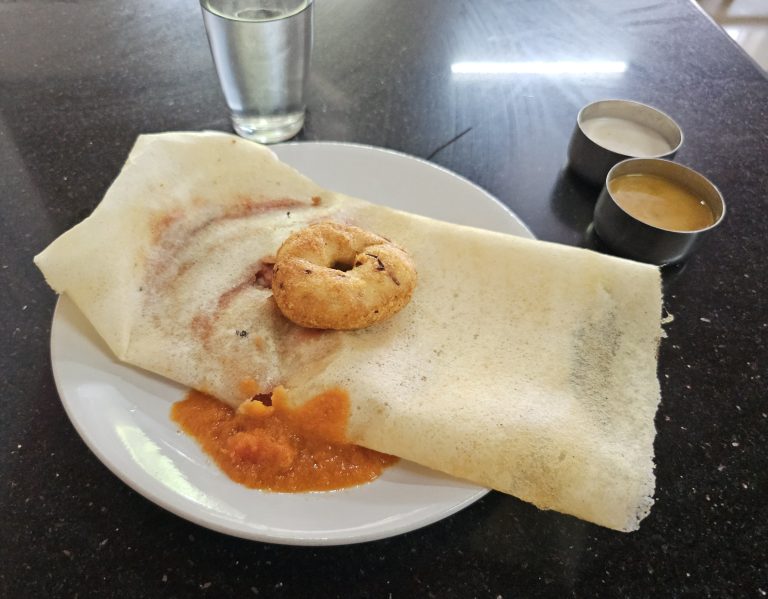
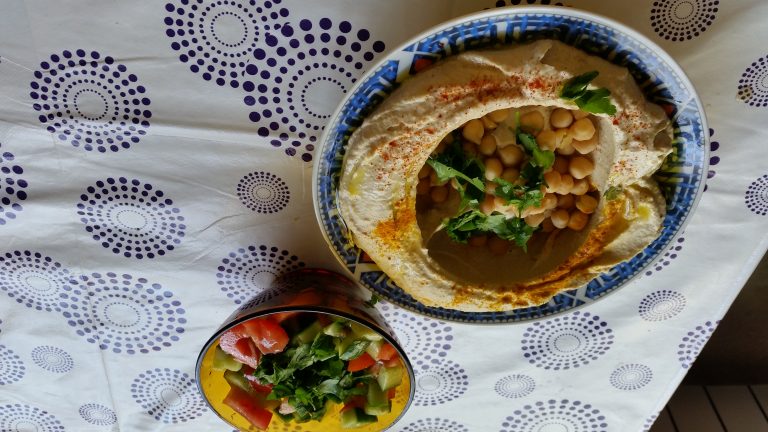
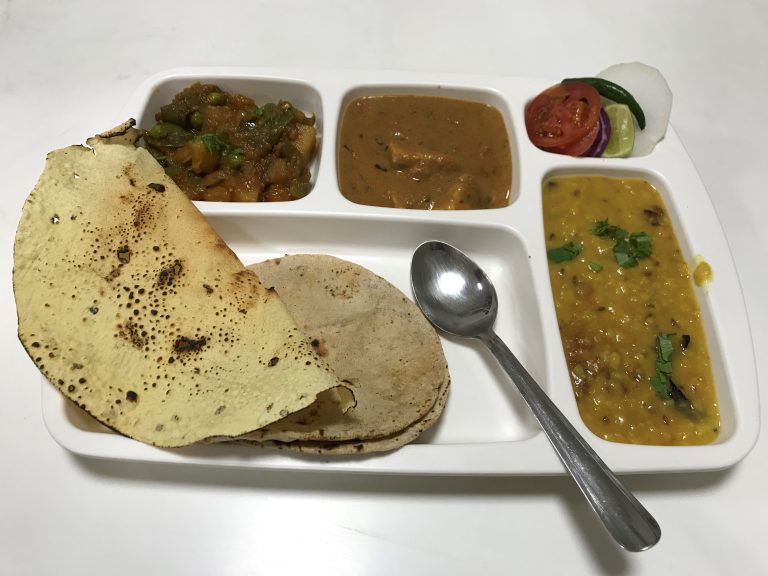
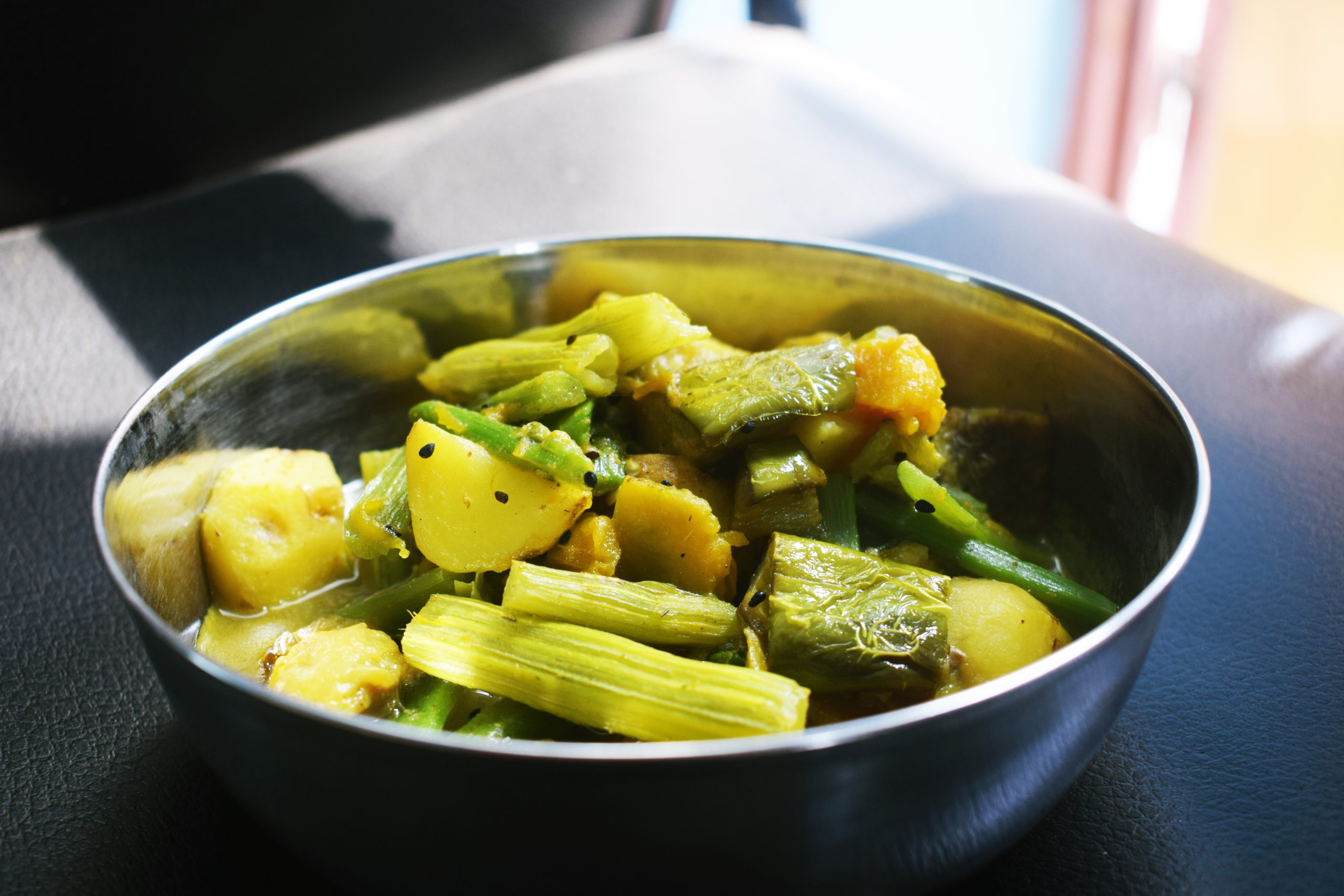
- Choose plant-forward cuisines. Many Indian, Middle Eastern, Ethiopian and Mediterranean menus have strong vegetable dishes by tradition.
- Swap the default. Ask for beans, lentils, tofu or extra vegetables in place of meat in a dish that allows it.
- Plan your meat meals. If you know a special dinner will include meat, keep the rest of the day plant-based.
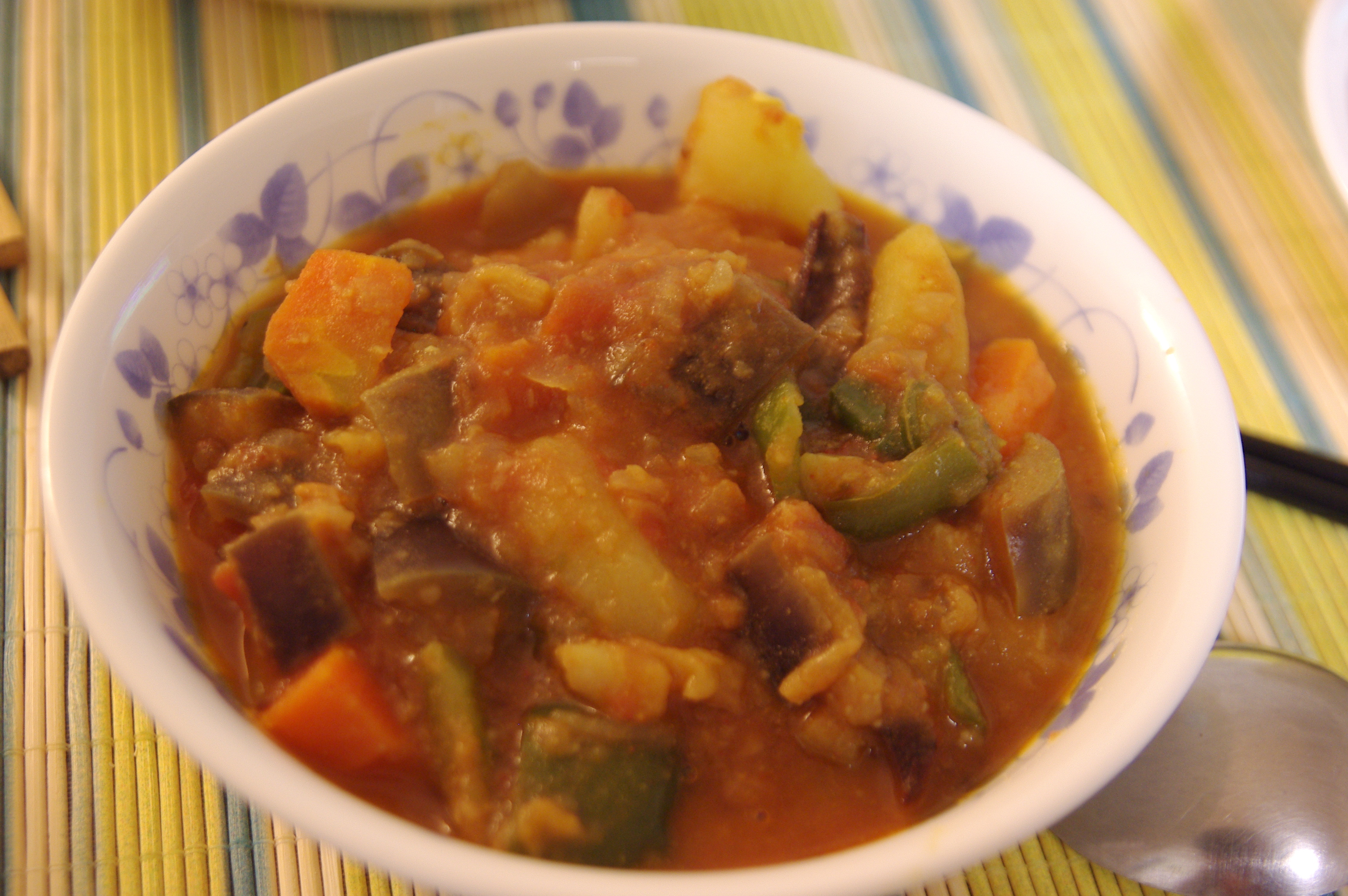
What a flexitarian week of eating out can look like
Because there are no rules, it helps to picture how the approach plays out over a normal week. Say you eat out three or four times:
- A weekday lunch: a lentil soup or a falafel wrap with salad from a café, rather than the usual ham sandwich.
- A quick dinner: a vegetable curry with dal and rice, or a bean chilli, which most menus offer.
- A meal with friends: a few shared plates where most are vegetable dishes and one includes meat or fish.
- A special occasion: the dish you really want, meat included, without guilt.
Spread across the week, that pattern keeps meat as a choice rather than a default. If a restaurant’s vegetable options look thin, ask whether the kitchen can make a main from its sides, or whether a meat dish can be served without the meat and with extra vegetables or pulses instead. Many kitchens are happy to do this when they are not busy, and it often costs less too.
Nutrients worth keeping an eye on
Cutting down on animal foods is not a problem for most people, but if you eat very little meat, fish, dairy or eggs, it is worth paying attention to a few nutrients. The NHS guidance on plant-based eating highlights vitamin B12, calcium, iron, iodine and omega-3 fats. Pulses, wholemeal bread, nuts and fortified foods all help, and our guide to plant-based protein when eating out covers protein-rich dishes to look for on menus.
Frequently asked questions
Is flexitarian the same as vegetarian?
No. Vegetarians do not eat meat or fish at all. Flexitarians eat mostly vegetarian meals but include meat or fish some of the time.
How often do flexitarians eat meat?
There is no rule. Some eat meat once or twice a week, others only at special occasions. You set the pattern that suits you.
Do I need to tell the restaurant I am flexitarian?
Not usually, because you are not avoiding anything strictly. If you have allergies or intolerances, tell staff about those separately. If you would like a meat-free version of a dish, simply ask for it as a swap; there is no need to explain why.
Making it work for you
Being flexitarian is about direction rather than rules: read the vegetable dishes first, make meat an occasional choice, and pick cuisines that make plant-based eating easy. If you cut animal foods back a lot, plan for key nutrients, and talk to your GP or a dietitian if you have health conditions that affect what you eat. For more ideas, browse our vegan and vegetarian guides.