The short answer to vegetarian vs vegan: a vegetarian does not eat meat or fish but may eat dairy and eggs, a vegan avoids every food that comes wholly or partly from animals, and a pescatarian skips meat but still eats fish and shellfish. The differences sound small on paper. At a restaurant they decide whether a dish is suitable, whether a sauce needs checking and whether the server needs to ask the kitchen at all.
If you are ordering for yourself, a friend or a table of mixed diets, knowing exactly where each line falls saves a lot of back-and-forth.
Key takeaways
- Vegetarians avoid meat and fish; many still eat dairy and eggs.
- Vegans avoid all foods made wholly or partly from animals, so dairy, eggs and honey are out.
- Pescatarian is an informal label for someone who eats fish and shellfish but no other meat.
- Menu symbols are a starting point, not a guarantee: stocks, sauces and garnishes are where mistakes hide.
- Say the word that matches your rules, then name the one or two ingredients you most need checked.
Vegetarian vs vegan: the core definitions
The Vegan Society’s definition of veganism describes it as a philosophy and way of living that seeks to exclude, as far as is possible and practicable, the use of animals for food, clothing or any other purpose. In dietary terms it means going without all products derived wholly or partly from animals. That rules out meat, fish, shellfish, dairy, eggs and honey, along with anything made from them.
Vegetarian is broader. NHS guidance on the vegetarian diet describes a healthy vegetarian diet, for people who eat dairy products and eggs, as the same as for anyone else but without meat or fish. Within that, people draw their own lines. Some eat both eggs and dairy, some only one of them, and many also avoid ingredients produced from slaughter, such as gelatine.
Pescatarian is not a formally defined diet with a governing body. In everyday use it means someone who does not eat meat or poultry but does eat fish and seafood. Because there is no official standard, it pays to be specific when you order: “no meat, but fish and prawns are fine” is clearer than the label alone.
The three diets side by side
| Food or ingredient | Vegetarian | Vegan | Pescatarian |
|---|---|---|---|
| Beef, pork, lamb, poultry | No | No | No |
| Fish and shellfish | No | No | Yes |
| Dairy (milk, butter, cheese, cream) | Usually yes | No | Yes |
| Eggs | Usually yes | No | Yes |
| Honey | Usually yes | No | Yes |
| Gelatine | No for most | No | Personal choice |
| Meat stock or meat fat | No | No | No |
| Fish sauce or anchovy | No | No | Yes |
The table shows why one dish can suit a pescatarian and fail the other two. A risotto finished with butter and parmesan is fine for many vegetarians but not for vegans. A Thai-style salad dressed with fish sauce works for a pescatarian but is off the list for both vegetarians and vegans, even though it looks like a plate of vegetables.
Where the differences show up on a menu
Most confusion comes from components that are not listed on the menu at all. A few patterns repeat across cuisines:
- Stocks and gravies. Soups, risottos and braised vegetables are often built on a meat or chicken stock. Ask what the base is, not just what is floating in it.
- Butter and cream. A dish labelled vegetarian may be finished with butter, cream or cheese. That is fine for many vegetarians and a problem for vegans.
- Egg in disguise. Fresh pasta, some batters, mayonnaise-based dressings and glazes on baked goods can all contain egg.
- Fish-based seasonings. Fish sauce, anchovy and some dried seafood seasonings appear in dressings, pastes and stir-fry sauces, where they are easy to miss.
- Frying oil. A vegetable side cooked in the same fryer as fish or meat may matter to you or may not. Decide in advance so you can ask the right question.
Our checklist of hidden animal ingredients on restaurant menus goes through these in more detail, ingredient by ingredient.
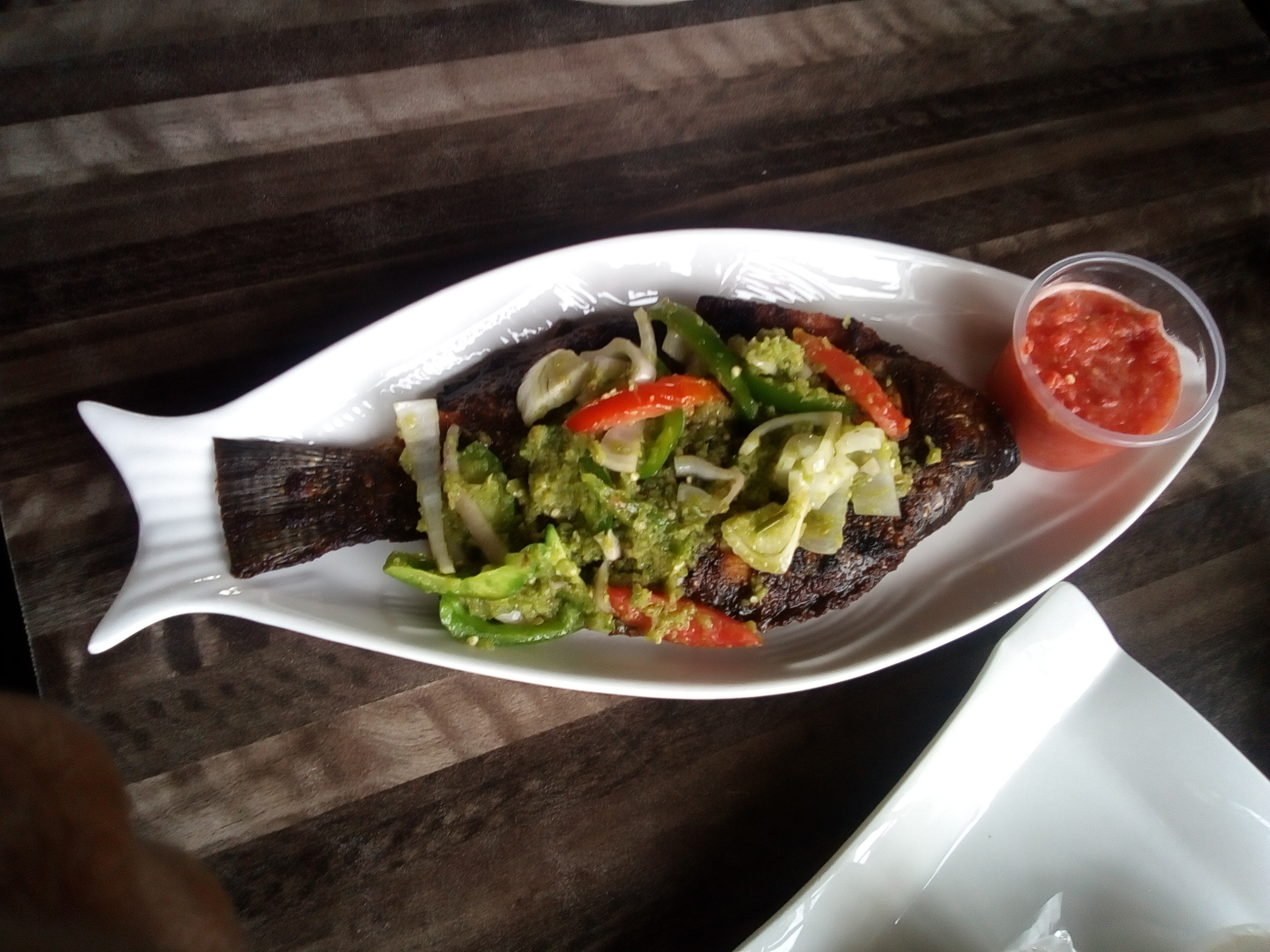
Nutrition is a separate question from labels
Choosing one of these diets does not decide whether a single restaurant meal is balanced, but it is worth knowing which nutrients each one asks you to think about. The NHS page on the vegan diet notes that without careful planning, vegans can miss out on calcium, iron, vitamin B12, iodine and selenium, and that a vitamin B12 supplement may be needed because vegan sources are limited.
For vegetarians, the NHS points out that vitamin B12 is only found naturally in animal products, so people who eat little or no dairy or eggs need a reliable source, and that iron from plants is harder to absorb than iron from meat. Pescatarians have oily fish as an option: NHS guidance on fish and shellfish recommends at least two portions of fish a week, one of them oily.
None of this needs solving at a single dinner. It does explain why a well-run kitchen offers a vegan main with beans, lentils or tofu rather than a plate of side vegetables.
How to order with each label
Ordering goes more smoothly when you use the label that matches your actual rules and then add one clarifying sentence.
- State the label once, clearly. “I’m vegan” or “I’m vegetarian, but I do eat eggs and dairy.”
- Name the risky components. For vegans: butter, cream, egg, honey. For vegetarians: stock, gelatine, fish sauce. For pescatarians: meat stock and meat fat.
- Ask about the base, not just the topping. “Is the sauce made with any meat or fish stock?”
- Confirm swaps before they reach the plate. If the kitchen offers to leave off the cheese, check whether the sauce underneath also contains dairy.
If you eat vegan, our step-by-step guide to eating vegan at restaurants covers how to read menus, which cuisines are easiest and how to phrase requests without fuss.
Frequently asked questions
Is a pescatarian a type of vegetarian?
Not in the strict sense. Vegetarian definitions exclude fish and shellfish, so a pescatarian diet sits alongside vegetarianism rather than inside it. Use the word pescatarian, or simply say “no meat, but fish is fine”, so the kitchen does not assume you avoid seafood too.
Is a vegetarian dish automatically suitable for vegans?
No. Vegetarian dishes often contain dairy, eggs or honey. Always ask whether a vegetarian option can be made vegan, and check the sauce, dressing and any glaze as well as the main ingredients.
Should I say I have an allergy if I am vegan?
Only if you actually have one. Allergies and dietary choices are handled differently in many kitchens, and mixing them up can cause confusion. If you have a genuine allergy, say so separately and follow your clinician’s advice on managing it.
Pick the label, then add one sentence
The quickest way through any menu is to know which of the three you are and to add a single sentence that closes the gaps: the stock, the butter, the fish sauce. Browse more guides in our vegan and vegetarian section, and keep that one sentence ready for your next booking.