Hidden animal ingredients are the parts of a dish that come from animals but rarely appear on the menu: gelatine in desserts, rennet in cheese, anchovies in sauces, meat stock in soups, lard in pastry, and insect-derived red colouring. If you are vegetarian or vegan, the safest approach is to know which dishes tend to contain them and ask about those specifically. The checklist below groups them by where they usually turn up, so you can scan a menu quickly.
Key takeaways
- Gelatine comes from animal skin and bone and sets many desserts and sweets.
- Rennet, used to make cheese, can come from a calf’s stomach.
- Worcestershire sauce has traditionally included anchovies.
- Red colouring listed as carmine, cochineal or E120 is made from insects.
Desserts and sweets
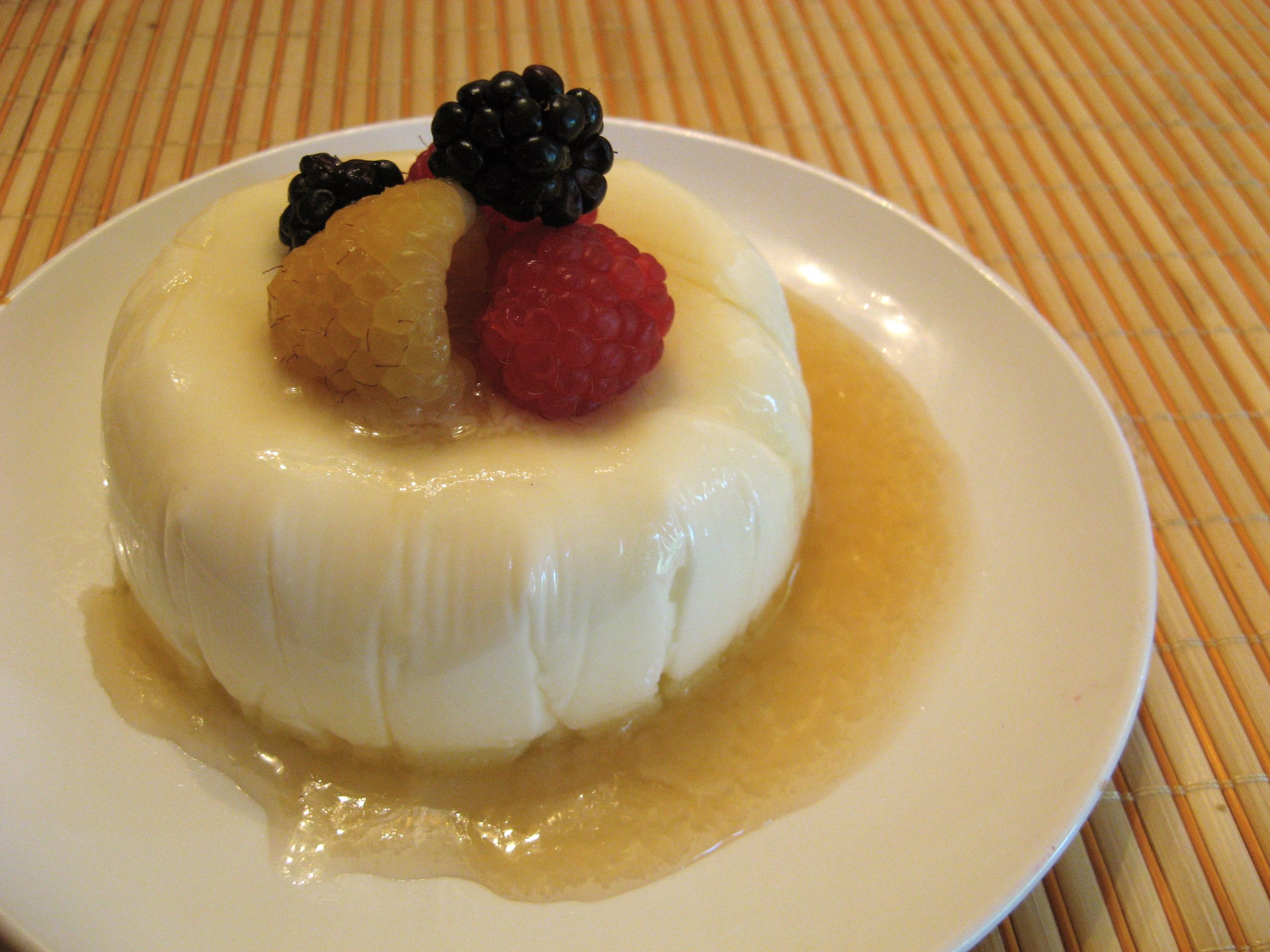
- Gelatine. Britannica’s entry on gelatin explains that it is derived from collagen, a protein found in animal skin and bone, and is used in jellied foods, sweets, aspics and moulded desserts. Panna cotta, mousses, cheesecakes, jelly and some glazes may use it.
- Red colouring. Britannica’s entry on cochineal describes it as a red dye made from the dried bodies of scale insects. It notes that carmine is used in yoghurt, confectionery and drinks, and is usually listed as carmine, cochineal extract or E120.
- Eggs and dairy. Meringues, custards, ice cream and many sponges contain them; vegans will want to ask about every dessert.
- Honey. Used in glazes, dressings and some cakes. It is not suitable for vegans who avoid all animal-derived products.
Pectin is one useful clue. Britannica notes that fruit jellies are commonly set with pectin, a natural vegetable substance, so a dessert set with pectin or agar is worth asking for by name.
Cheese, sauces and dressings
- Rennet. Britannica’s entry on rennet describes it as an enzyme preparation found in a calf’s stomach that makes milk curdle, and it is used in cheese-making. Not every cheese uses animal rennet, so ask whether the cheese in a dish is suitable for vegetarians.
- Anchovies. Britannica notes that Worcestershire sauce in its original form included anchovies. Caesar dressing, some tapenades, salsa verde and some pasta sauces may also contain them.
- Fish sauce and shrimp paste. Common in Thai, Vietnamese and other Southeast Asian cooking, including dishes that look vegetable-only.
- Ghee and butter. Often used to finish curries, rice and vegetables.
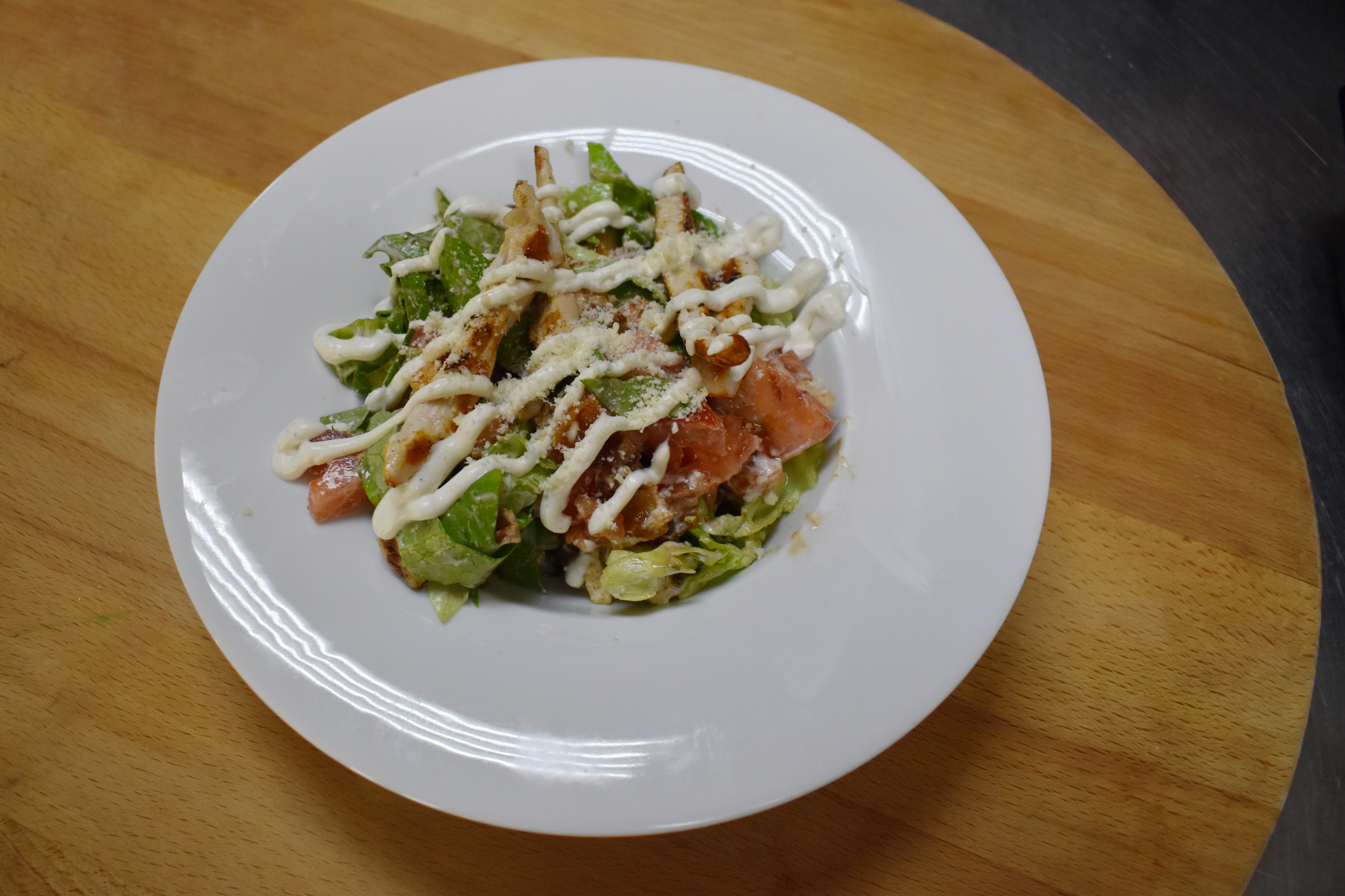
Hidden animal ingredients in soups, pastry and drinks
These three areas catch out even experienced vegetarians, because the animal product is part of the method rather than the named ingredients.
Soups, stocks and gravies
- Meat or fish stock. Vegetable soups, risottos, rice dishes and noodle broths may all start from meat, chicken or fish stock.
- Gravy and jus. Usually made from meat juices, even when served with a vegetarian main.
- Bacon or pancetta. Sometimes added to vegetable sides, pulses and soups for flavour without being named.
Baking, frying and pastry
- Lard or suet. Traditional pastry, some flatbreads and puddings may use animal fat.
- Egg wash. A shiny pastry or bread crust is often brushed with egg.
- Frying oil. Chips may be fried in beef dripping, or in oil shared with meat and fish.
Drinks
- Fining agents. Some beers and wines are clarified with animal products. The UK’s list of regulated allergens, set out in Annex II of the food information regulation, mentions fish gelatine and isinglass used as fining agents in beer and wine. If this matters to you, ask whether a drink is suitable for vegetarians or vegans.
- Milk and cream. In cocktails, hot chocolate and some coffee drinks.
Quick-reference table
| Where you see it | Hidden ingredient to ask about |
|---|---|
| Panna cotta, mousse, jelly, cheesecake | Gelatine |
| Pink or red sweets, drinks, yoghurt | Carmine (E120) |
| Pasta with Parmesan, cheese boards | Animal rennet |
| Caesar salad, Bloody Mary, steak sauce | Anchovies |
| Vegetable soup, risotto, pilaf | Meat or fish stock |
| Thai curries, stir-fries | Fish sauce, shrimp paste |
| Pastry, pies, flatbreads | Lard, suet, egg wash |
| Beer, wine | Animal-based fining agents |
How to ask without slowing everyone down
You do not need to work through the whole list for every dish. Choose the two or three hidden ingredients most likely in what you want to order and ask about those. “Is the risotto made with vegetable stock, and is the Parmesan vegetarian?” is quick and precise.
Our guide to eating vegan at restaurants that aren’t vegan suggests a wider set of questions for mixed menus. If you follow religious dietary rules, the source of gelatine can matter for a different reason, and our explainer on what halal certification means for diners covers how to ask about it. For allergy-related ingredients such as fish and milk, see our comparison of major food allergens.
Frequently asked questions
Is gelatine ever vegetarian?
Gelatine itself comes from animal collagen. Dishes described as set with agar or pectin use plant-based alternatives, so ask what has been used.
Are all cheeses unsuitable for vegetarians?
No. Rennet is one of several ways to make cheese, and some cheeses are made without animal rennet. Ask whether a specific cheese is suitable for vegetarians.
Do restaurants have to tell me about hidden animal ingredients?
UK food businesses must provide information on the 14 regulated allergens, which include milk, eggs, fish, crustaceans and molluscs, but there is no equivalent rule requiring them to flag every animal-derived ingredient. That is why asking directly is so useful.
Keep the list handy
Save the quick-reference table on your phone and glance at it before you order. Over time you will remember the usual suspects, and the questions will become second nature. More practical guides are in our Vegan and Vegetarian section.