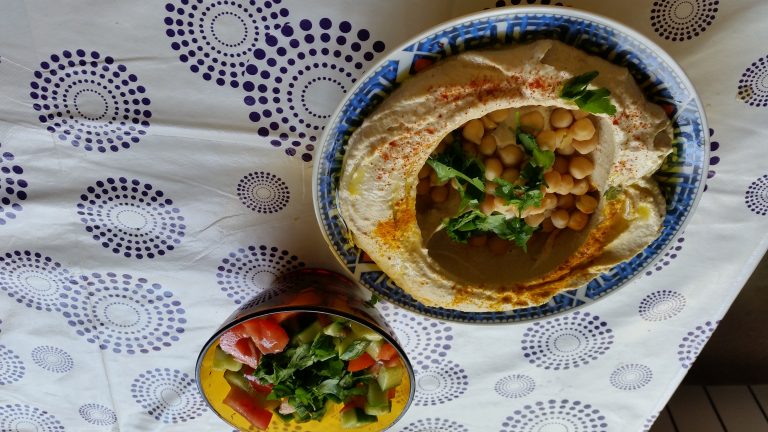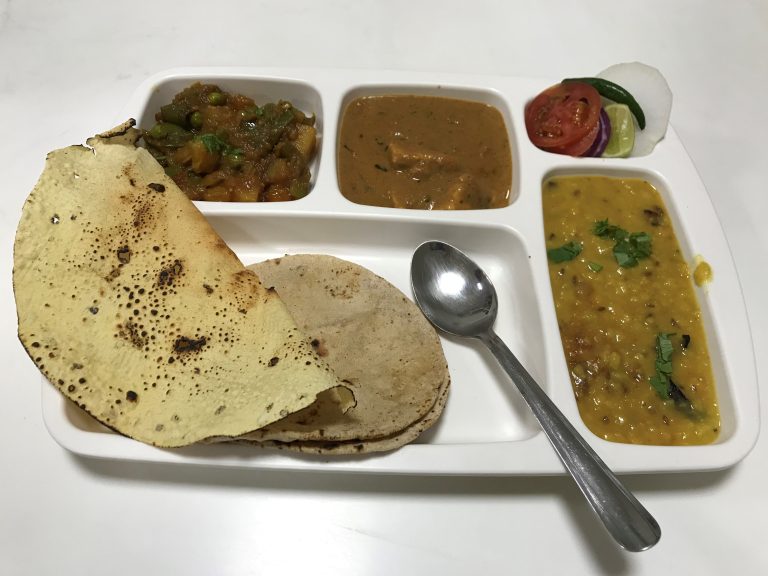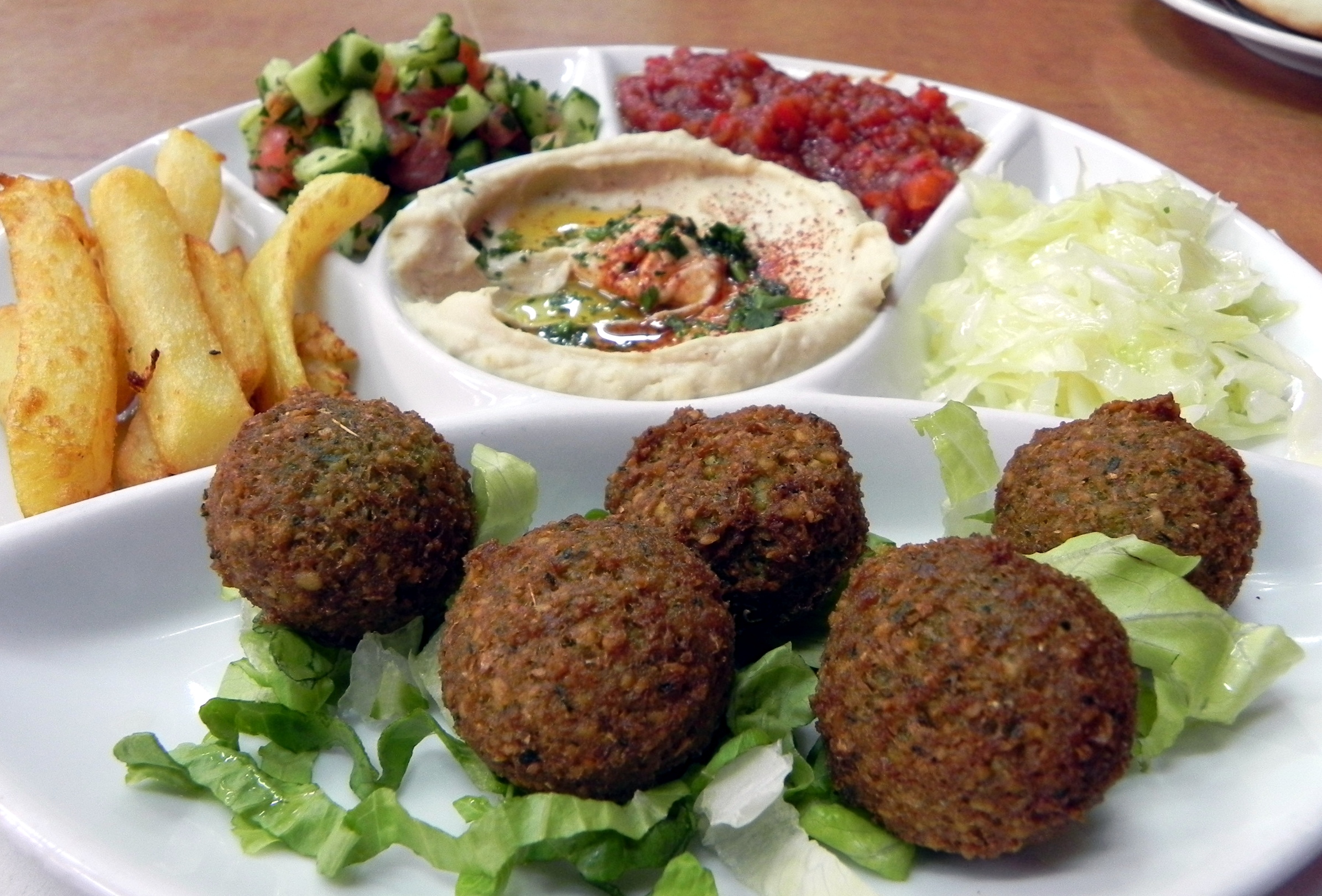
Eating vegan at restaurants that are not vegan is mostly about choosing well and asking precisely. Pick a cuisine with plenty of naturally plant-based dishes, scan the menu for dishes that are one or two swaps away from vegan, and ask staff about the hidden parts of a dish, such as stock, butter, egg and dressings. Most kitchens can adapt something. The aim is a satisfying meal with protein in it, not a plate of side dishes.
Key takeaways
- Choose cuisines where many dishes are plant-based already.
- Look for dishes that need one change, not several.
- Ask about stock, butter, egg, cheese, honey and dressings, which menus rarely mention.
- A “vegan” label means no animal ingredients were used on purpose, not that cross-contamination is impossible.
What counts as vegan
The Vegan Society’s definition of veganism describes it, in dietary terms, as dispensing with all products derived wholly or partly from animals. The NHS guide to the vegan diet puts it simply: vegans do not eat foods that come from animals, including dairy products and eggs.
That is clear enough at home. In a restaurant, the difficulty is that many animal products are invisible: butter in a sauce, egg in fresh pasta, cheese in pesto, or meat or fish stock in a soup that looks like vegetables and nothing else.
Eating vegan at restaurants, step by step
- Choose the cuisine first. Indian, Middle Eastern, Ethiopian, Thai, Chinese, Mexican and Italian menus often include dishes built on pulses, vegetables, rice, bread or pasta. Steakhouses and seafood restaurants tend to be harder.
- Read the menu online. Look for a vegan symbol or allergen guide. Even without one, you can spot candidates: bean stews, vegetable curries, falafel, tomato-based pasta, stir-fries with tofu.
- Find the one-swap dishes. A vegetable risotto finished with butter and cheese, a salad with a honey dressing, a stir-fry with egg noodles: each may become vegan with a single change.
- Ask about the hidden parts. Stock, butter, ghee, cream, cheese, egg, honey and fish sauce are the usual suspects. Ask how the dish is made, not just whether it is vegan.
- Ask what the chef can do. “Is there anything the kitchen could make vegan?” often produces a better answer than choosing from the printed menu.
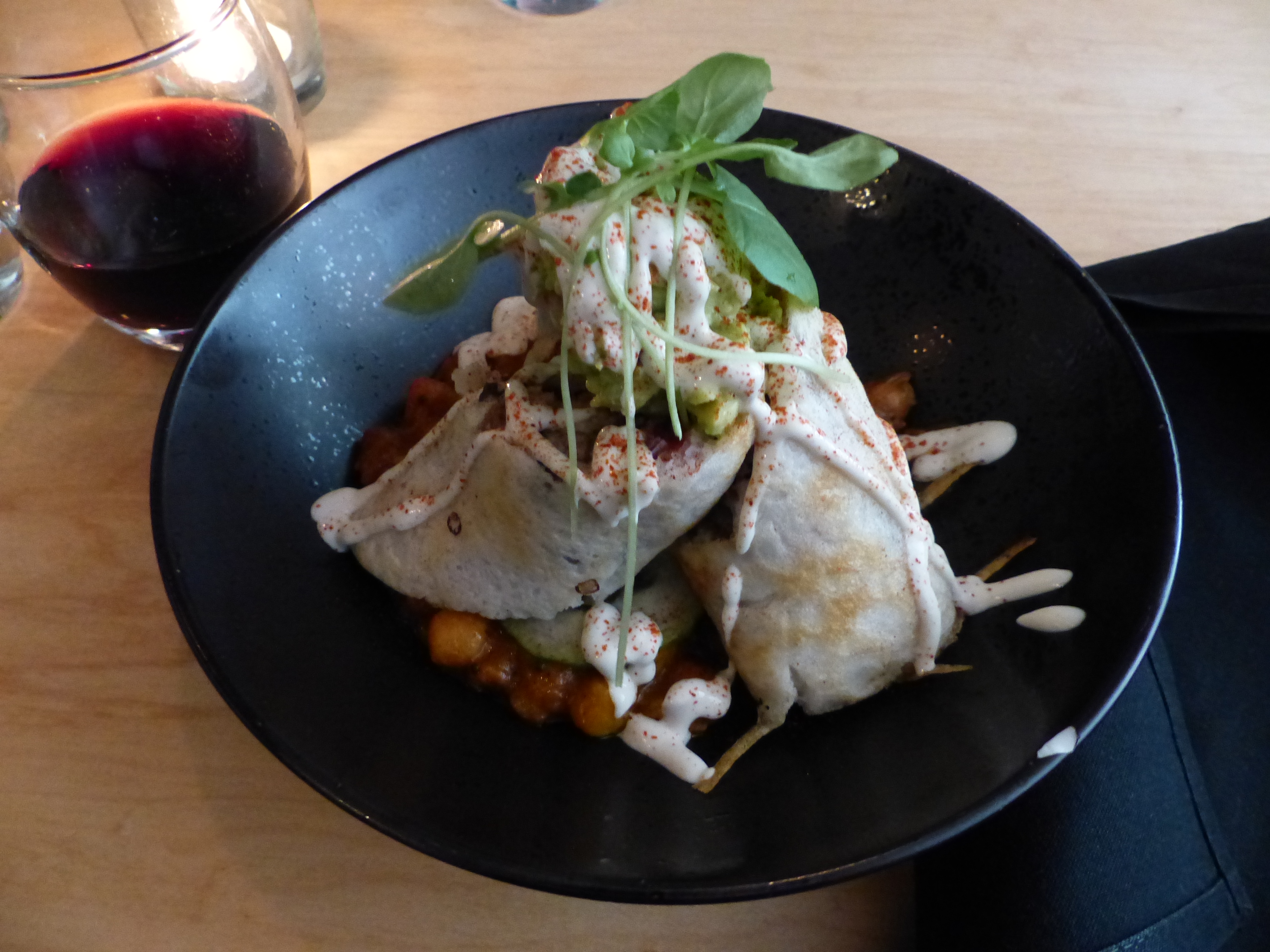
- Build a full plate. If the only option is sides, combine a pulse or tofu dish with a grain and a vegetable so the meal has enough protein to keep you going.
Questions that get clear answers
Precise questions are easier for staff to answer and for kitchens to check. These cover most situations:
| Dish | Question to ask |
|---|---|
| Soup or risotto | Is it made with vegetable stock, and is it finished with butter or cheese? |
| Pasta | Is the fresh pasta made with egg, and is there cheese in the sauce or pesto? |
| Curry or dal | Is it cooked with ghee, butter, cream or yoghurt? |
| Stir-fry or noodles | Are the noodles egg noodles, and is fish sauce or oyster sauce used? |
| Salad | Is the dressing made with honey, egg or cheese? |
| Bread | Is it brushed with butter or egg before baking? |
If you would like a fuller list of what to watch for, a later guide in this section goes through hidden animal ingredients in more detail.
Allergies, labels and cross-contact
A “vegan” mark on a menu is useful, but it is not an allergy guarantee. The UK government’s guidance on vegan food labelling explains that a vegan label means no ingredients of animal origin were intentionally used. Vegan food may be prepared in areas where ingredients of animal origin are present, so if you are allergic to milk or egg you should not assume a vegan dish is safe. Our guide to telling restaurant staff about a food allergy covers how to raise that separately.
For ethical vegans, the same point about shared grills and fryers may or may not matter. That is a personal decision, but it is worth deciding in advance so you know which questions to ask.
Making mixed menus work in your favour
Some restaurants are better allies than they look. A kosher dairy or pareve restaurant has no meat on the menu, and a pareve kitchen avoids dairy as well, as our kosher restaurant explainer sets out. A grill that can swap chips for vegetables, as we describe in our guide to low-carb ordering at restaurants, can often swap a meat main for a vegetable or pulse dish from the starters menu.
When you find a place that does it well, say so and go back. Kitchens notice which dishes sell, and repeat customers make a difference.
Frequently asked questions
Is it rude to ask a restaurant to change a dish?
No, as long as you ask politely and accept that some dishes cannot be changed. Many kitchens are used to adapting dishes, and asking early in the order gives them time.
How do I get enough protein when eating vegan at a restaurant?
The NHS suggests that vegans eat some beans, pulses and other proteins. Look for dishes based on lentils, chickpeas, beans or tofu rather than vegetable sides alone.
Do vegan diners need to think about nutrients when eating out?
Eating out occasionally does not change much, but the NHS notes that a vegan diet needs planning for nutrients such as vitamin B12, calcium and iron. If you have concerns, a GP or dietitian can advise.
Before your next meal out
Pick the restaurant with the most promising menu, note two or three dishes that are close to vegan, and have your questions ready. With that preparation, eating vegan at restaurants becomes a matter of ordering rather than negotiating. More ideas are in our Vegan and Vegetarian section.