The most vegan-friendly cuisines are those with long traditions of meat-free cooking: Ethiopian food on fasting days, much of Indian vegetarian cooking, Middle Eastern mezze built on chickpeas, beans and vegetables, and East Asian Buddhist cooking. In each, plenty of dishes are plant-based by design, so you are choosing from the menu rather than asking for something to be stripped down. Each also has its own hidden animal ingredients to check, such as butter, ghee, yoghurt, fish sauce or stocks.
Think of this as a buyer’s guide: what each cuisine offers, and what to ask before you order.
Key takeaways
- Choose cuisines where plant-based dishes are traditional, not an afterthought.
- Ethiopian fasting dishes are made without animal products.
- Indian vegetarian cooking is widespread but often uses dairy, so ask about ghee, butter, cream and paneer.
- Middle Eastern mezze is full of pulses and vegetables; check yoghurt, butter and honey.
- In East Asian cooking, ask about fish sauce, dried fish and stocks.
What makes vegan-friendly cuisines stand out
A cuisine is easy for vegans when three things line up: protein from plants is normal (pulses, soya, nuts, seeds), cooking fats are often vegetable oils, and there is a cultural reason for meat-free dishes, such as religious fasting or vegetarian traditions. When those are present, vegan dishes tend to be full meals rather than side plates.
Use these criteria when you compare options:
- Built-in plant protein. Lentils, chickpeas, beans, tofu or tempeh in the main dishes.
- Vegetable-oil cooking. Fewer worries about butter or animal fat.
- A tradition of meat-free eating. Staff are more likely to know exactly what is in each dish.
- Few hidden animal seasonings. Fish sauce, anchovy, dried shrimp and meat stocks are the main ones to watch.
Ethiopian: fasting food is vegan by design
Ethiopian cooking is often a favourite with vegans for a clear reason. The encyclopaedia entry on Ethiopian cuisine explains that the Ethiopian Orthodox Tewahedo Church prescribes fasts, including all Wednesdays and Fridays and the whole Lenten season, during which the faithful avoid all animal products, including dairy and eggs. As a result, the cuisine has many vegan dishes, with vegetable oil replacing niter kibbeh, a spiced clarified butter. Lentils and split peas are common in stews.
What to ask: whether a dish is a fasting dish, and whether it is made with oil or with spiced butter. Injera, the sourdough flatbread, is made from fermented teff flour; if you also avoid gluten, ask whether wheat flour is mixed in.
Indian: vegetarian traditions, with dairy to check
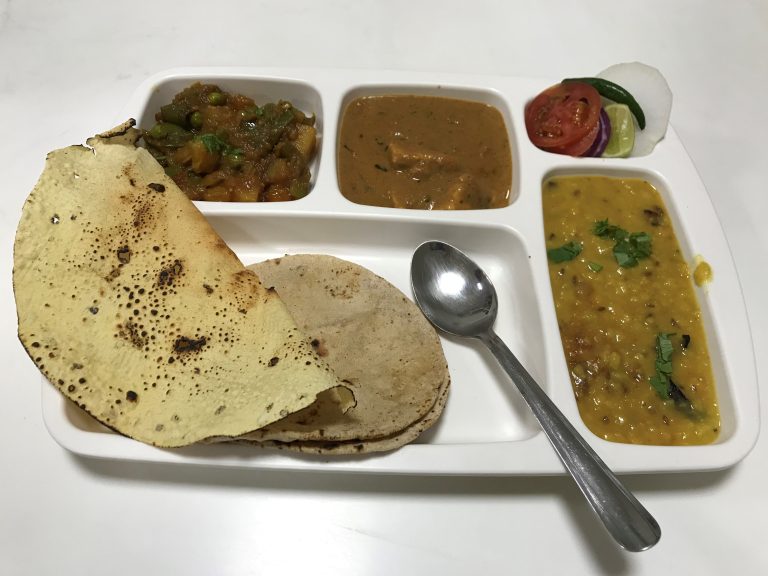
Vegetarian food is deeply rooted in parts of India. A 2021 Pew Research Center survey on diets in India found that about four in ten Indian adults described themselves as vegetarian and that 81 per cent limited meat in some way. Restaurants serving these traditions offer dal, chana masala, vegetable curries, dosas and rice dishes as standard.
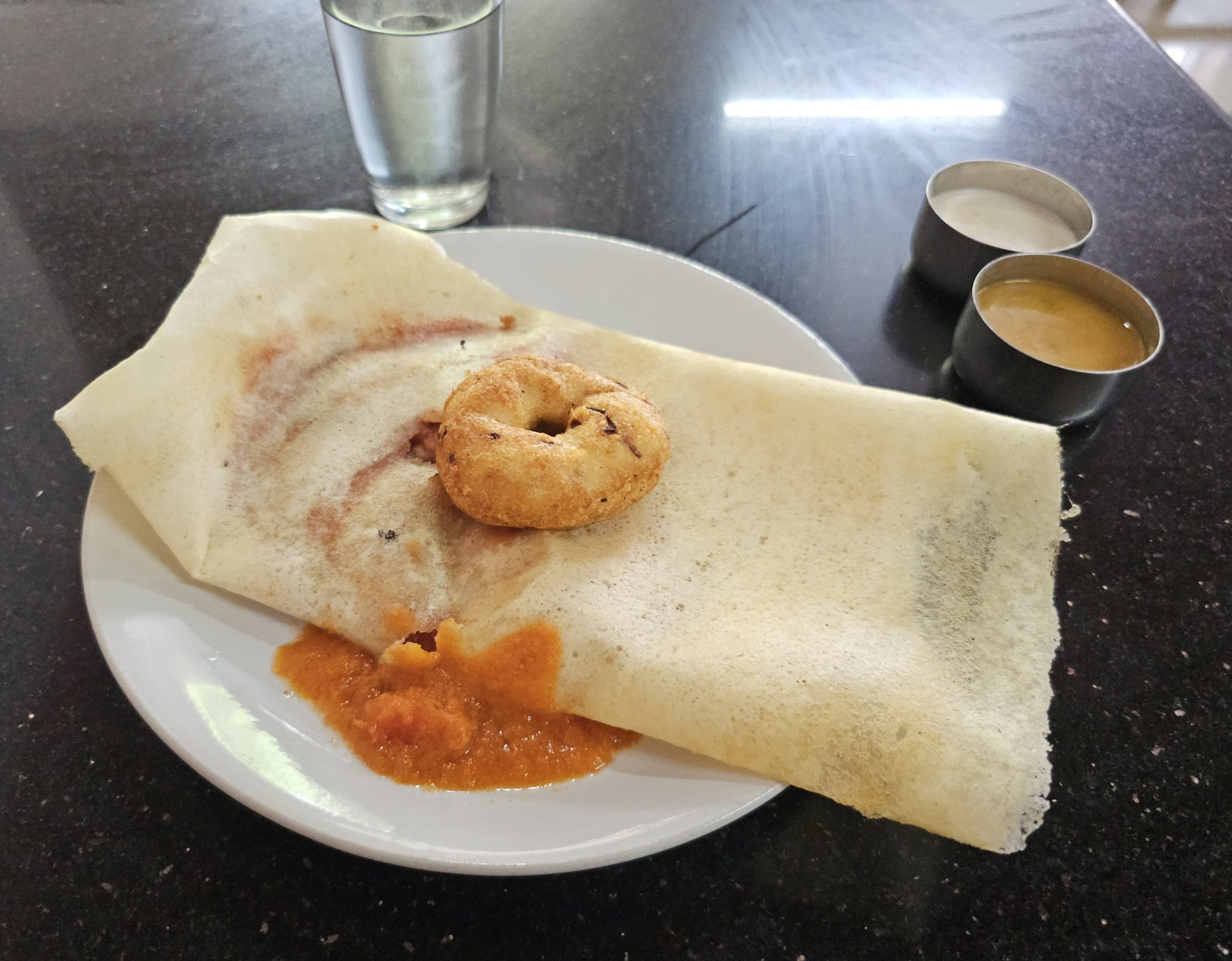
The catch is dairy. Ghee, butter, cream, yoghurt and paneer appear in many dishes, and vegetarian is not the same as vegan. What to ask: “Is this cooked in oil or ghee?”, “Is there cream or yoghurt in the sauce?” and “Is the bread brushed with butter?” South Indian dishes such as dosa and sambar can be a good starting point, but still check.
Middle Eastern: mezze built on pulses and vegetables
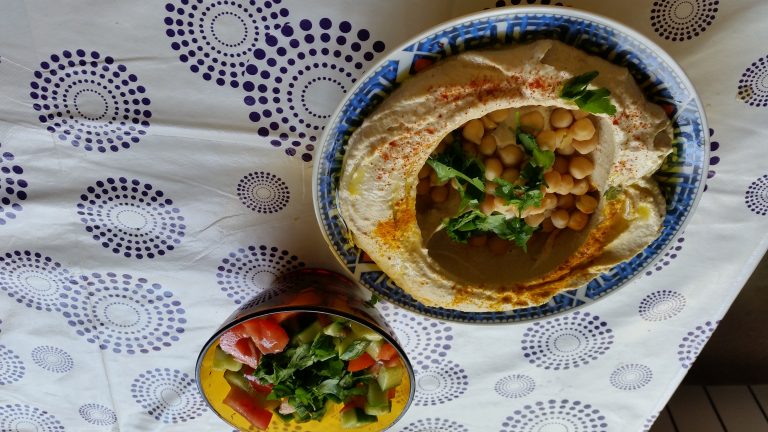
A mezze table is one of the easiest ways to eat vegan with friends. Hummus, falafel, tabbouleh, baba ghanoush, stuffed vine leaves and lentil soups are usually plant-based, though recipes vary. Falafel is made from ground fava beans, chickpeas or both, and is commonly served with tahini sauce.
What to ask: whether any dips contain yoghurt, whether rice or bulgur is cooked in butter or stock, whether pastries use butter, and whether desserts are sweetened with honey. Grilled meats are often served on the same platters, so ask for a separate plate.
East Asian Buddhist cooking: careful with seasonings
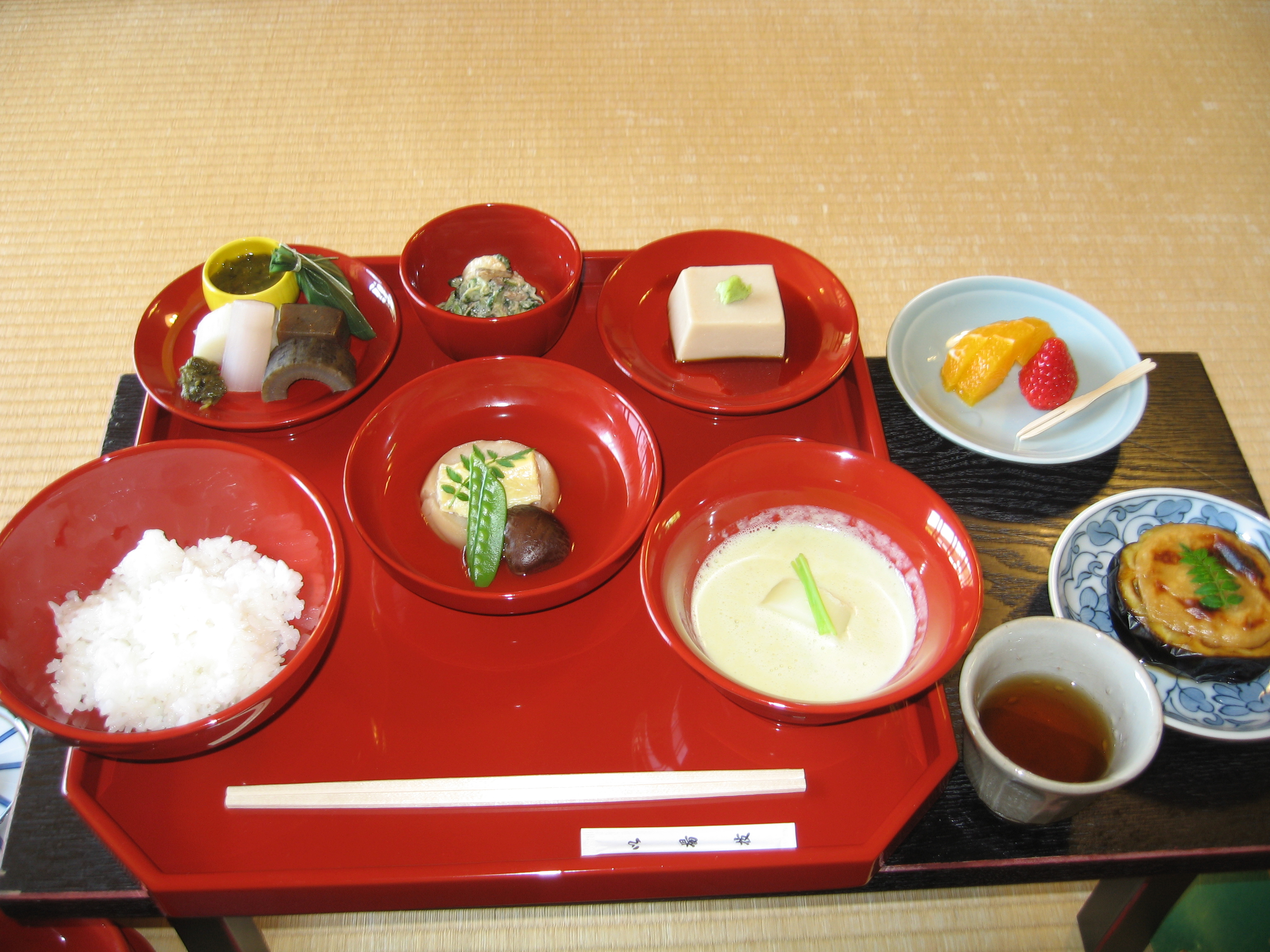
Buddhist temple cooking in Japan, China and Korea has a long vegetarian or vegan tradition. The encyclopaedia entry on Buddhist cuisine describes it as vegetarian or vegan, notes that onions and garlic are usually avoided, and mentions the role of vegan dashi in Japanese monastery food.
Outside temple cooking, East Asian menus need more care. Everyday stocks, sauces and seasonings can include fish or meat. What to ask: “Is the broth or dashi made with fish?”, “Is there fish sauce or oyster sauce?” and “Is the kimchi made with fish sauce or shrimp?”
A quick comparison
| Cuisine | Why it suits vegans | Main things to check |
|---|---|---|
| Ethiopian | Fasting dishes avoid all animal products | Spiced butter in non-fasting dishes |
| Indian | Strong vegetarian tradition, lots of pulses | Ghee, butter, cream, yoghurt, paneer |
| Middle Eastern | Mezze based on chickpeas, beans, vegetables | Yoghurt dips, butter, honey, shared platters |
| East Asian Buddhist | Vegetarian or vegan temple tradition | Fish-based stocks and sauces outside temple cooking |
For general ordering tactics, see our guide to eating vegan at restaurants. For the ingredients that slip into dishes across every cuisine, keep our checklist of hidden animal ingredients handy, and for getting enough protein, read our explainer on plant-based protein when eating out.
Frequently asked questions
Is vegetarian food in these cuisines automatically vegan?
No. Dairy is common in Indian cooking, yoghurt in Middle Eastern dips and butter in some Ethiopian dishes. Always confirm the cooking fat and any sauces.
Which cuisine is easiest for a group with mixed diets?
Mezze-style or thali-style meals with many small dishes work well, because everyone can choose, and vegan dishes sit naturally alongside others. Ask for vegan dishes on separate plates if needed.
Are Buddhist restaurants always vegan?
Not necessarily. Practices vary, and some dishes may include eggs or dairy. Ask the restaurant directly.
Pick the tradition, then ask about the fat
Start with a cuisine that cooks plant-based food by tradition, then ask one question about cooking fat and one about sauces or stocks. That combination opens up most menus. Browse more guides in our vegan and vegetarian section.