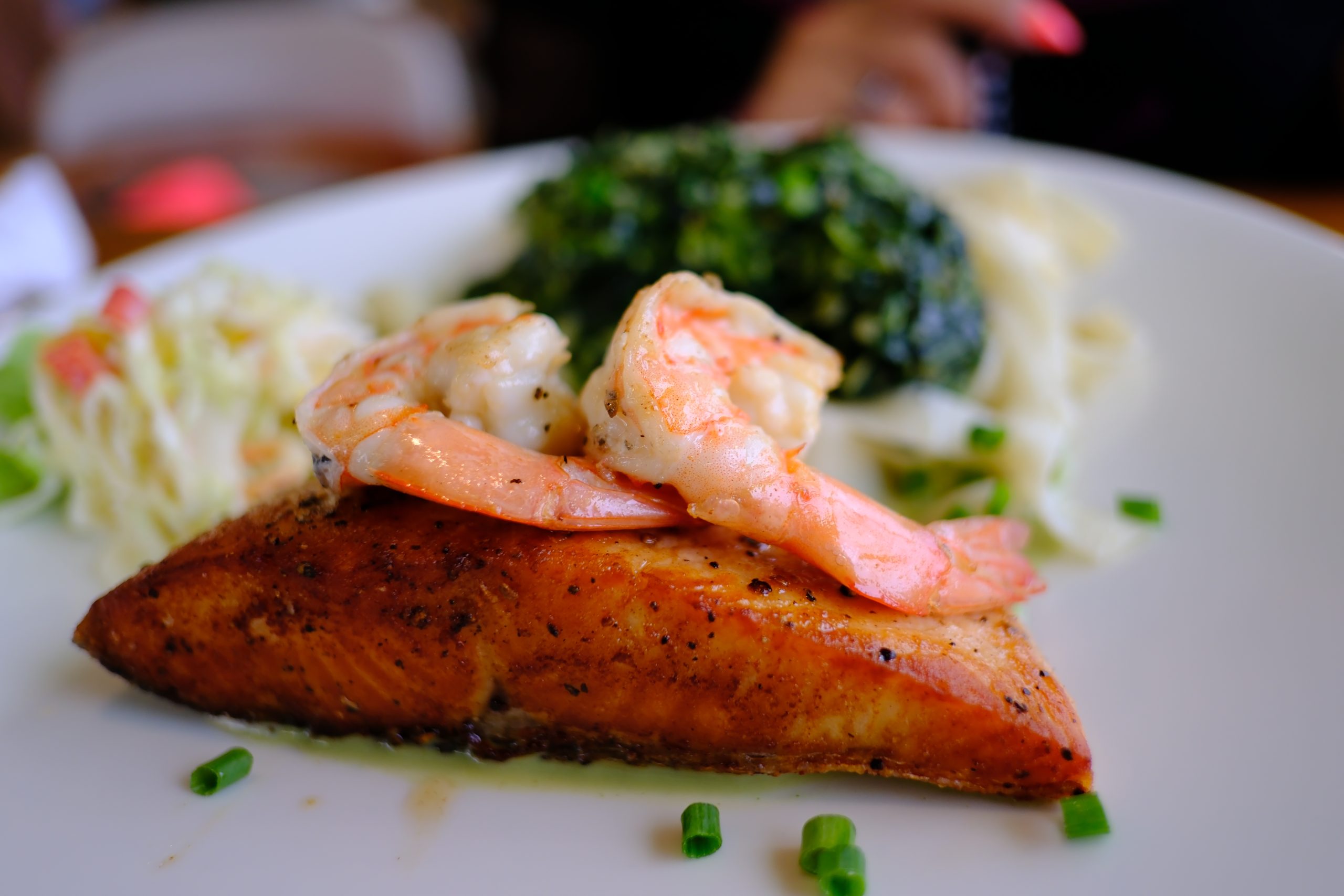
Low-carb ordering at a restaurant comes down to one habit: choose the protein and vegetables first, then decide what to do about the starchy side, the sauce and the drink. Most menus already have suitable dishes, such as grilled fish, roast meat, omelettes, tofu stir-fries and big salads, and most kitchens will swap chips or rice for extra vegetables if you ask. The method below works whether you follow a structured low-carb plan or simply want a lighter meal out.
Key takeaways
- Diabetes UK describes low-carb eating as fewer than 130g of carbohydrate a day.
- Start with the main protein, then ask to swap the starchy side for vegetables or salad.
- Sauces, glazes, drinks and desserts are where unplanned carbs tend to appear.
- If you take insulin or medicines that can cause hypos, talk to your healthcare team before cutting carbs.
What “low-carb” actually means
There is no single definition, which is why it helps to know what yours is. Diabetes UK’s guide to low-carb eating says that, generally, low-carb eating means reducing your total carbohydrate intake to less than 130g a day. To give a sense of scale, it notes that a medium slice of bread has about 15 to 20g of carbs, roughly the same as a regular apple, while a large jacket potato can have up to around 90g.
Those figures explain why the side dish matters so much. Swapping one starchy portion for vegetables can change the carbohydrate content of a meal far more than any adjustment to the main.
It is also worth knowing the other side of the argument. The NHS guide to starchy foods says starchy foods should make up just over a third of what most people eat, and that gram for gram they contain fewer than half the calories of fat. Low-carb eating is a choice that suits some people, not a universal rule.
Low-carb ordering, step by step
- Scan for the protein first. Grilled, roasted, baked or poached meat, fish, eggs, tofu or halloumi give you a base to build on.
- Ask what comes with it. Menus often list the main and leave out the side. “What is it served with?” saves surprises.
- Request the swap. Ask for extra vegetables or a side salad instead of chips, rice, pasta or bread. Most kitchens are used to this.
- Check the sauce. Ask whether glazes, marinades or sauces are sweetened, or whether they can be served on the side.
- Decide on bread before it arrives. If a bread basket comes to the table automatically, it is easier to decline it at the start.
- Choose your drink deliberately. Sugary soft drinks and fruit juice are among the foods Diabetes UK suggests cutting first.
- Plan dessert, or plan to skip it. A cheese course, berries or simply coffee are common lower-carb endings.
You do not need to explain your reasons to the server. “Could I have salad instead of the fries?” is an ordinary request, and phrasing it as a swap rather than a removal makes it more likely the plate still arrives feeling generous. If a kitchen charges for substitutions or refuses them, the side salad or vegetable side on the same menu is usually a straightforward alternative.
Menu wording to watch
Some words on a menu hint at hidden carbohydrate. They are not reasons to avoid a dish, just prompts for a question.
| Menu word | What it can mean | What to ask |
|---|---|---|
| Glazed, sticky, honey, teriyaki | Sugar or syrup in the coating | Can the glaze be left off or served on the side? |
| Breaded, battered, crispy | Flour or breadcrumb coating | Is there a grilled version? |
| Creamy or rich sauce | Sometimes thickened with flour | How is the sauce thickened? |
| Bowl, wrap, platter | Often built on rice, bread or noodles | Can the base be replaced with salad? |
| Seasonal vegetables | May include potatoes or sweetcorn | Which vegetables are in it today? |
If you also avoid gluten, many of the same questions apply, since flour-based coatings and thickeners are a problem for both. Our guide to eating out with coeliac disease covers how to ask about preparation in more detail.
Cuisines that make it easier
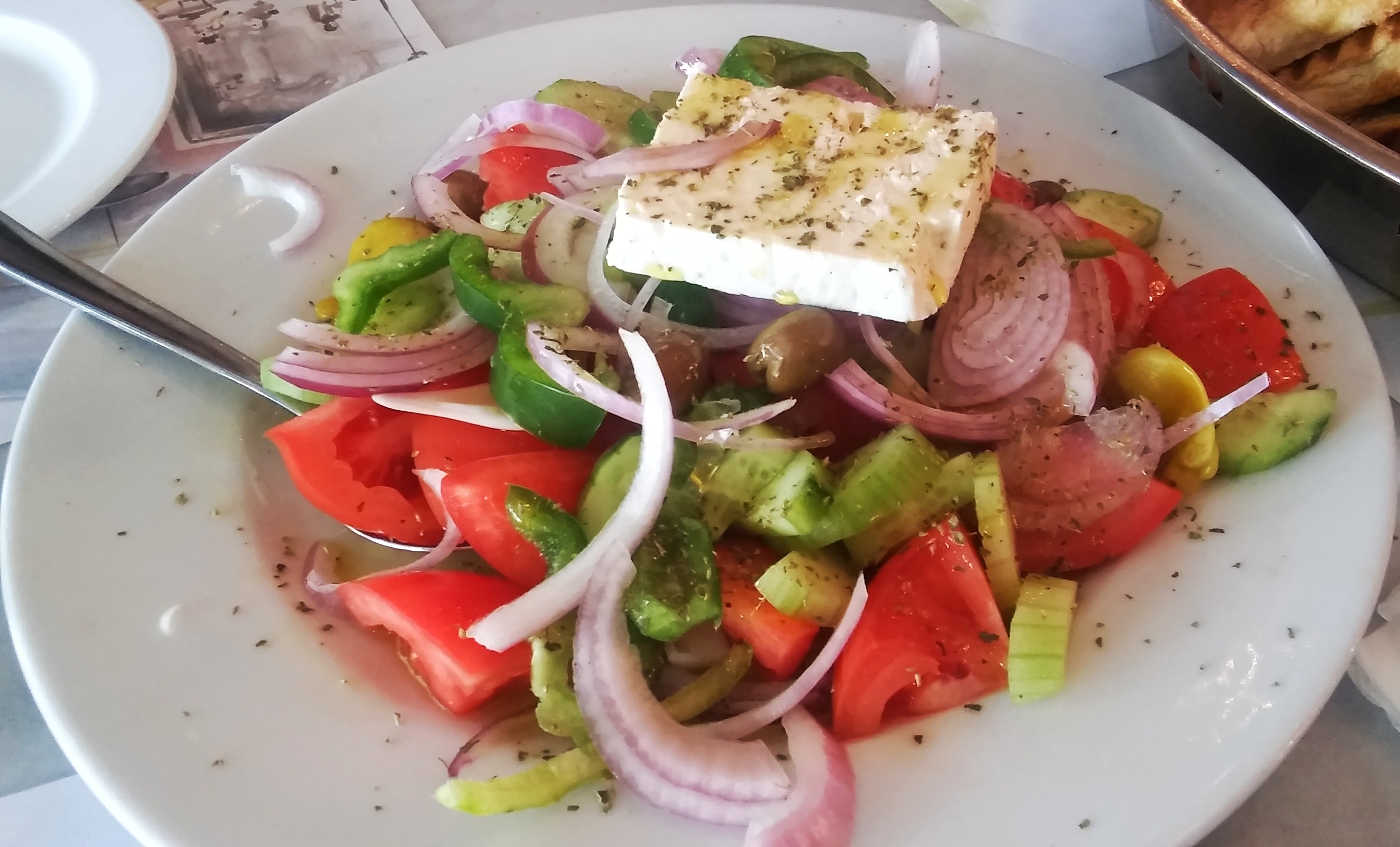
Some styles of restaurant make low-carb ordering simpler because the menu is built around grilled meat, fish and salads. Steakhouses, grills, Greek and Turkish restaurants, Japanese restaurants with sashimi and grilled dishes, and Indian restaurants with tandoori dishes all tend to offer a protein-led plate with vegetable sides. If you avoid dairy as well as carbohydrates, a kosher meat restaurant can be worth a look, since, as our kosher restaurant explainer sets out, these kitchens keep dairy off the menu entirely.
Pizza, pasta and noodle restaurants are harder, though many now offer salads and grilled mains alongside their signature dishes.
Frequently asked questions
Is low-carb eating safe if I have diabetes?
Diabetes UK says that if you take insulin or other medicines that can cause hypos, you should speak to your healthcare team first, because your doses may need adjusting. It also advises that low-carb diets should not be recommended for children. Follow your own clinician’s advice.
Do I need to count carbs exactly when I eat out?
That depends on your goals and any medical advice you have been given. Many people find it enough to swap the starchy side and avoid sugary drinks, rather than estimating every gram.
Which carbs are best to keep?
Diabetes UK suggests getting the carbohydrate you do eat from high-fibre foods such as pulses, nuts, vegetables, whole fruit and whole grains. The NHS also recommends wholegrain choices and potatoes with their skins on for more fibre.
A simple rule for your next meal out
Before you open the menu, decide on the one swap you will ask for, usually vegetables instead of the starchy side. Then pick the protein, check the sauce and choose your drink. You will find more practical guides on balanced eating in our Low-Carb and Health section, and if you manage a health condition, let your own healthcare team set the targets.