Eating out with coeliac disease works best when you treat it as a short process rather than a gamble: check the menu before you go, tell staff clearly that you need a strictly gluten-free meal for a medical reason, ask how the dish is prepared as well as what is in it, and walk away if the answers sound unsure. Restaurants in the UK must give you allergen information on request, so you are entitled to ask. The harder part is judging cross-contamination, and that is where good questions matter most.
Key takeaways
- Gluten is found in wheat, barley and rye, and coeliac disease needs a lifelong gluten-free diet.
- UK food businesses must tell you if a dish contains cereals containing gluten.
- Allergen information covers ingredients; ask separately about shared fryers, boards and toasters.
- If staff seem unsure about your needs, it is reasonable to eat elsewhere.
Why eating out with coeliac disease needs a plan
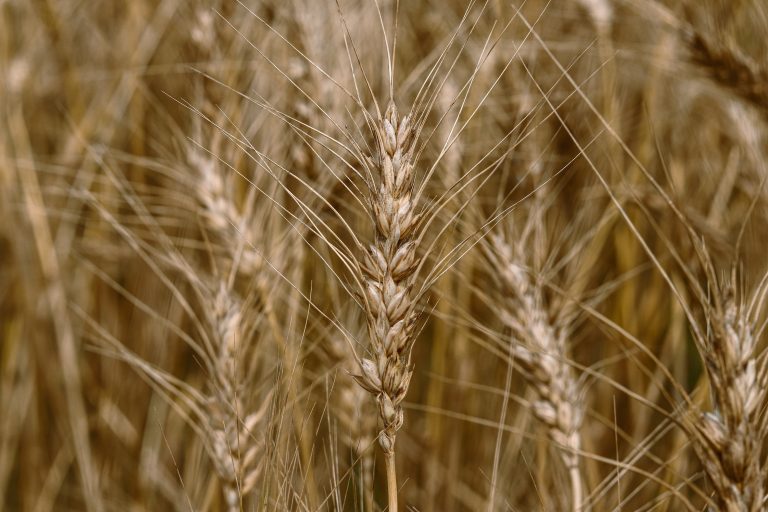
The NHS overview of coeliac disease describes it as a condition where your immune system attacks your own tissues when you eat gluten, a protein found in wheat, barley and rye. The NHS treatment guidance says that if you have coeliac disease you must stop eating all sources of gluten for life, and it warns that cross-contamination can happen if gluten-free foods and foods containing gluten are prepared together.
That last point is the reason a “no bread, please” approach is not enough in a restaurant. A dish can be made from naturally gluten-free ingredients and still pick up gluten from a shared fryer, a floured worktop or a ladle moved between pans.
Step-by-step: how to order safely
- Read the menu online first. Look for an allergen guide or a gluten-free section. Its absence is not a deal-breaker, but its presence suggests the kitchen has thought about the issue.
- Call or email ahead for anything unclear. A quieter time of day gives staff a chance to check with the chef rather than guess.
- Say “coeliac disease” when you arrive. It tells staff this is medical, not a preference, and that small amounts matter.
- Ask about ingredients and preparation separately. “Does it contain gluten?” and “How is it cooked?” are two different questions.
- Confirm when the food arrives. A quick “this is the gluten-free one?” catches mix-ups at the pass.
What the law says restaurants must tell you
The UK government’s food allergy and intolerance advice for consumers is clear that when you eat out or order a takeaway, the restaurant or café must provide you with allergen information. Cereals containing gluten are one of the 14 allergens food law identifies. The information can be written or spoken, but if it is given verbally, the business must signpost where it can be found.
Two limits are worth knowing. First, businesses must offer allergen information but are not required to offer you an alternative meal. Second, there is no specific legal requirement to label food with “may contain” warnings, so the absence of one does not prove a dish was kept apart from gluten.
Questions that reveal how the kitchen works
The table below pairs common menu choices with the hidden risk to ask about. It is a prompt list, not a guarantee that any dish is safe.
| Dish or item | Ask about |
|---|---|
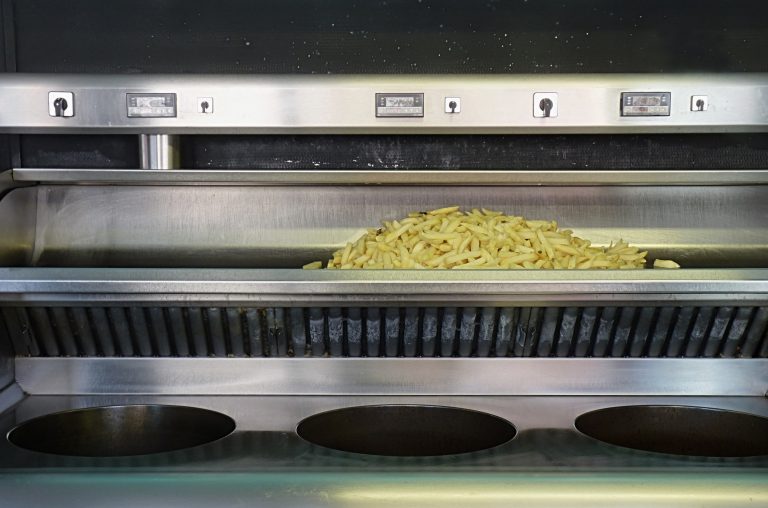
| Chips and fried food | Is the oil shared with battered or breaded items? |
| Grilled meat or fish | Is it dusted with flour or brushed with a marinade containing soy sauce? |
| Soups and sauces | Are they thickened with flour or made from a stock that contains gluten? |
| Salads | Are croutons added in the same bowl, or the dressing made with malt vinegar? |
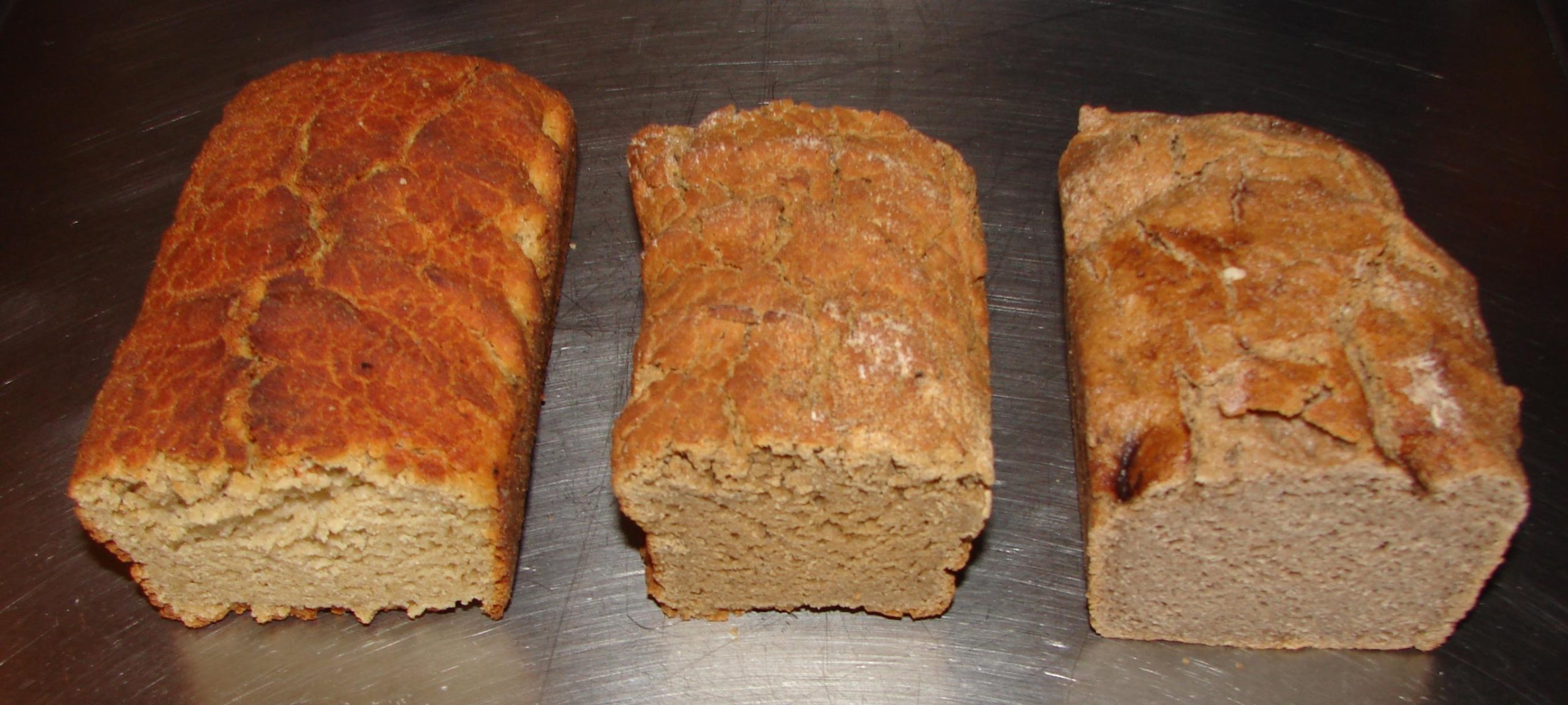
| Gluten-free bread or pasta | Is it toasted or boiled separately from ordinary bread and pasta? |
| Porridge or oat dishes | Are the oats pure and uncontaminated? |
On oats, the NHS notes that oats do not contain gluten but can cause a reaction if produced in the same place as wheat, barley and rye, and that a small number of people react even to pure oats. If you are unsure about oats, the safest course is to follow the advice of your own doctor or dietitian.
Reading the answers you get
How staff respond often tells you more than the words. Clear, specific answers (“we use a separate fryer for gluten-free chips”) are a good sign. So is a server who says “let me check with the chef”. Vague reassurance (“it should be fine”) is not.
The government advice for consumers puts it plainly: if you have any doubt about the staff understanding the importance of your dietary needs, do not eat there. That can feel awkward on a night out, but leaving before you order is easier than dealing with a reaction afterwards.
It helps to keep the same habit you might use for other dietary standards, such as asking who has checked a claim, which we also cover in our guide to what halal certification means for diners. For more gluten-free guides, browse our Gluten-Free section.
Frequently asked questions
Is a gluten-free menu label a legal standard?
For food labelled gluten-free, the NHS says the law allows no more than 20 parts per million of gluten. In a restaurant, it is still worth asking how the dish is prepared, because kitchen practice is where cross-contamination happens.
What should I do if I react after eating out?
Seek medical help if you need it, and follow any plan your doctor has given you. The government advice suggests telling the food business first, and you can then report a business that is not meeting allergen requirements to its local authority.
Can I ask a restaurant to cook something off-menu?
You can ask, and many kitchens will try. Businesses are not required to provide an alternative meal, so calling ahead gives you the best chance of a helpful answer.
Make your next meal out easier
Keep a short note on your phone listing the questions above, and save the details of any place that answers them well. Over time you build your own list of kitchens you trust, which turns eating out with coeliac disease from a test into something closer to an ordinary evening. If you are newly diagnosed, a dietitian can help you work out which foods are safe before you start eating out more often.