Gluten-free labelling is governed by a clear legal limit: in the UK, food labelled “gluten-free” must contain no more than 20 parts per million (20mg per kg) of gluten, and the US uses the same 20 parts per million threshold for its voluntary claim. The UK also allows a separate “very low gluten” claim, up to 100mg per kg, for certain specially processed foods. These rules shape what you see on packets and, more loosely, on restaurant menus. Knowing them helps you tell a real gluten-free claim from a hopeful one.
Key takeaways
- “Gluten-free” means no more than 20mg of gluten per kg of food in the UK.
- “Very low gluten” allows up to 100mg per kg and only applies to specially processed ingredients.
- Oats in gluten-free food must be specially produced to avoid contamination.
- In the US, “no gluten”, “free of gluten” and “without gluten” are held to the same standard as “gluten-free”.
What gluten-free labelling means in the UK
The rules sit in a regulation retained in UK law, which you can read on legislation.gov.uk. Its annex sets out the only statements allowed about the absence or reduced presence of gluten, and the conditions for each:
| Statement | Condition |
|---|---|
| Gluten-free | No more than 20mg/kg of gluten in the food as sold to the consumer |
| Very low gluten | Contains specially processed wheat, rye, barley or oats, and no more than 100mg/kg of gluten as sold |
| Oats in either claim | Oats must be specially produced, prepared or processed to avoid contamination, with gluten no higher than 20mg/kg |
The NHS describes the same 20 parts per million limit in its guidance on coeliac disease treatment, and advises people with coeliac disease to check labels on the foods they buy.
Twenty parts per million is not the same as zero. It is a legal threshold for a claim, and the NHS notes that a small number of people with coeliac disease react even to pure oats. If you are unsure what level of strictness you need, your doctor or dietitian can advise.
How the US rules compare
In the US, the Food and Drug Administration sets the standard. Its questions and answers on the gluten-free labelling rule explain that any unavoidable presence of gluten in a food labelled gluten-free must be less than 20 parts per million. The claim is voluntary: manufacturers are not required to use it, but if they do, they must meet the rule.
The FDA also treats “free of gluten”, “without gluten” and “no gluten” as equivalent to “gluten-free”, so a manufacturer cannot sidestep the standard by changing the wording. A naturally gluten-free food, such as bottled spring water, can carry the claim if it meets the requirements.
What labels mean on a restaurant menu
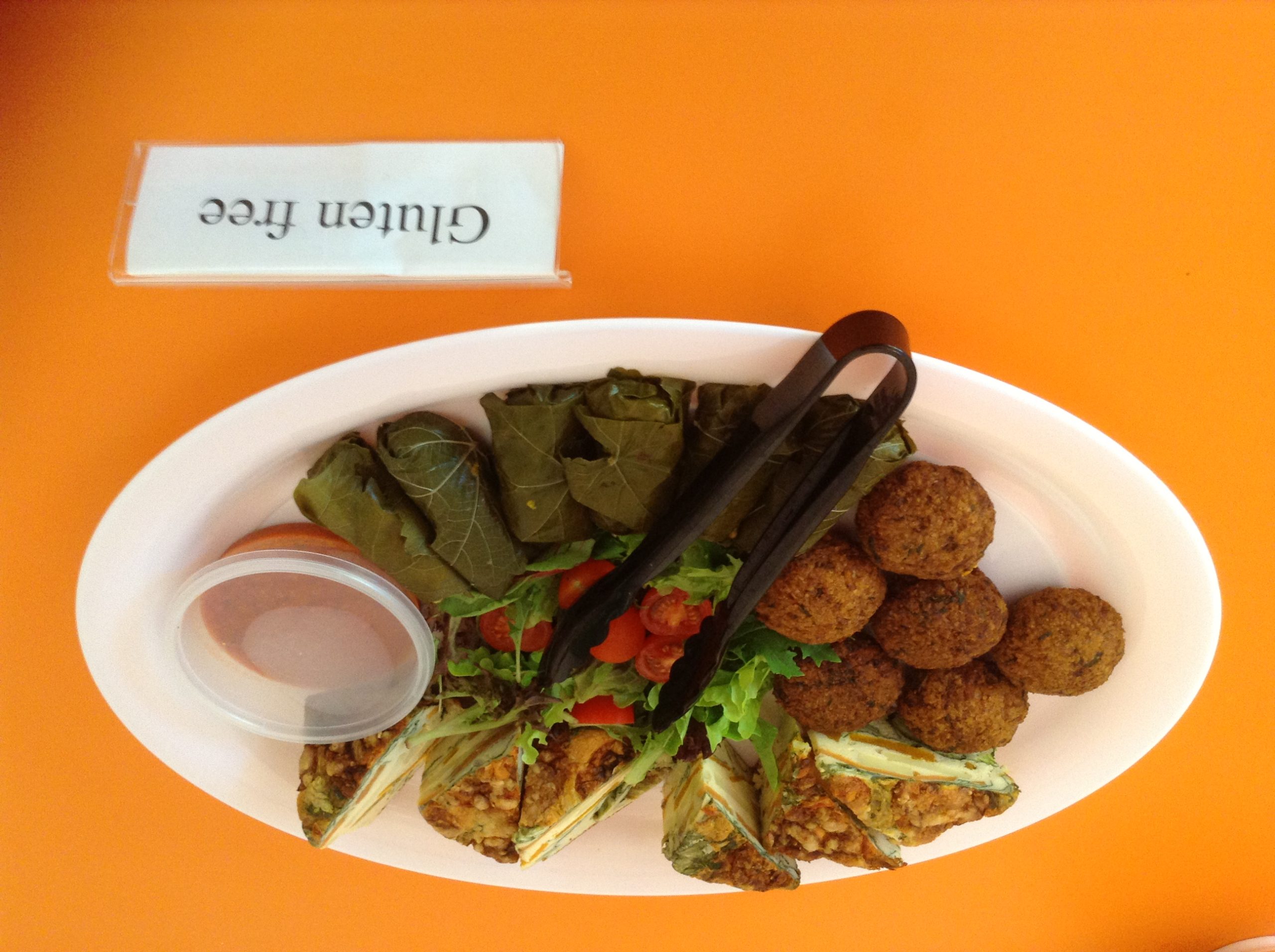
Packaged food is the easy part. Restaurant menus are where gluten-free labelling gets blurrier, because a kitchen’s preparation matters as much as its ingredients.
The FDA notes that its regulation applies to packaged foods, but it recommends that restaurants making gluten-free claims on menus keep them consistent with the federal definition. In the UK, the government’s allergen guidance for food businesses says that making free-from claims requires strict controls on ingredients, handling and preparation. It adds that a business handling wheat flour that cannot prevent cross-contamination by separating foods in time and space should tell customers and should not make gluten-free claims.
Separately from any gluten-free claim, UK restaurants must be able to tell you whether a dish contains cereals containing gluten, because these are among the 14 allergens food law requires businesses to declare. That information covers ingredients, so it answers “what is in it” but not always “what has it touched”. The two questions work best together: first confirm the ingredients, then ask how the dish is cooked and served.
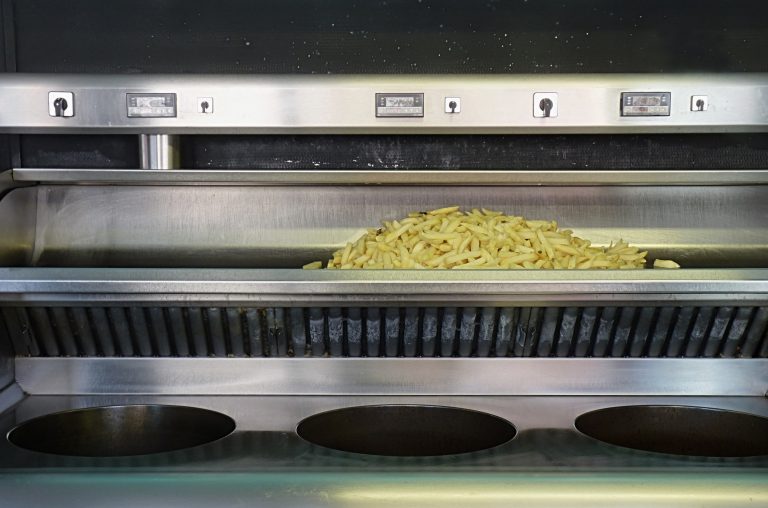
In practice, that gives you a useful test. A menu that says “gluten-free” is making a strong promise. If staff then say the chips share a fryer with battered food, the claim and the kitchen do not match. Our checklist of questions about gluten cross contamination helps you find out which it is.
Common wording and what to make of it
- “Gluten-free”: a claim with a legal limit behind it, on packets and, ideally, on menus.
- “Very low gluten”: a UK term for specially processed foods up to 100mg/kg; not the same as gluten-free.
- “May contain gluten”: a voluntary precautionary statement; the UK government’s consumer advice notes there is no specific legal requirement to use “may contain” labels.
- “Made without gluten ingredients” or similar: describes the recipe, not the preparation. Ask about shared equipment.
Frequently asked questions
Are oats gluten-free?
The NHS says oats do not contain gluten but can cause a reaction if produced alongside wheat, barley and rye. Under UK rules, oats in a food labelled gluten-free must be specially produced to avoid that contamination. Some people with coeliac disease still react to pure oats, so follow your clinician’s advice.
Does “wheat-free” mean gluten-free?
No. Barley and rye also contain gluten, so a wheat-free food can still contain it. Look for the gluten-free claim itself.
If a restaurant says a dish is gluten-free, can I trust it?
Treat it as a starting point. Ask how the dish is prepared, because the menu claim depends on kitchen practice. Our guide to eating out with coeliac disease suggests how to raise it with staff.
Using labels with confidence
Read “gluten-free” as a specific, legally defined claim, and treat any other wording as a prompt for questions. On packets, the claim is reliable within its limit. On menus, pair it with a quick check about preparation. That combination gives you the best of both: the protection of the law and the detail only the kitchen can provide. More guides are in our Gluten-Free section.