Gluten cross contamination happens when a gluten-free food picks up gluten from shared equipment, surfaces, oil, water or hands. To avoid it when you eat out, you need to ask about how a dish is cooked, not just what is in it. The checklist below covers the questions that matter most: fryers, toasters, grills, pasta water, prep areas, gloves and buffets. If the answers are vague, treat the dish as unsafe, however gluten-free its ingredients look on the menu.
Key takeaways
- Ingredient lists do not tell you about shared fryers, boards or cooking water.
- UK guidance says gluten-free chips cannot be cooked in oil used for battered fish.
- Businesses that cannot control cross-contamination should not make gluten-free claims.
- Simple dishes with few ingredients are easier for a kitchen to keep separate.
Why gluten cross contamination is the hidden risk
For people with coeliac disease, the NHS treatment guidance notes that cross-contamination can happen when gluten-free foods and foods containing gluten are prepared together. Restaurants handle flour, breadcrumbs, batter and pasta all day, often in small kitchens at speed. That is why the questions below focus on equipment and process.
The UK government’s allergen guidance for food businesses sets out what kitchens are expected to do: clean utensils before each use, wash hands between preparing dishes with and without allergens, keep allergen-containing ingredients separate, and store foods in closed, labelled containers. It also says plainly that gluten-free chips cannot be cooked in oil previously used for battered fish.
The cooking equipment checklist
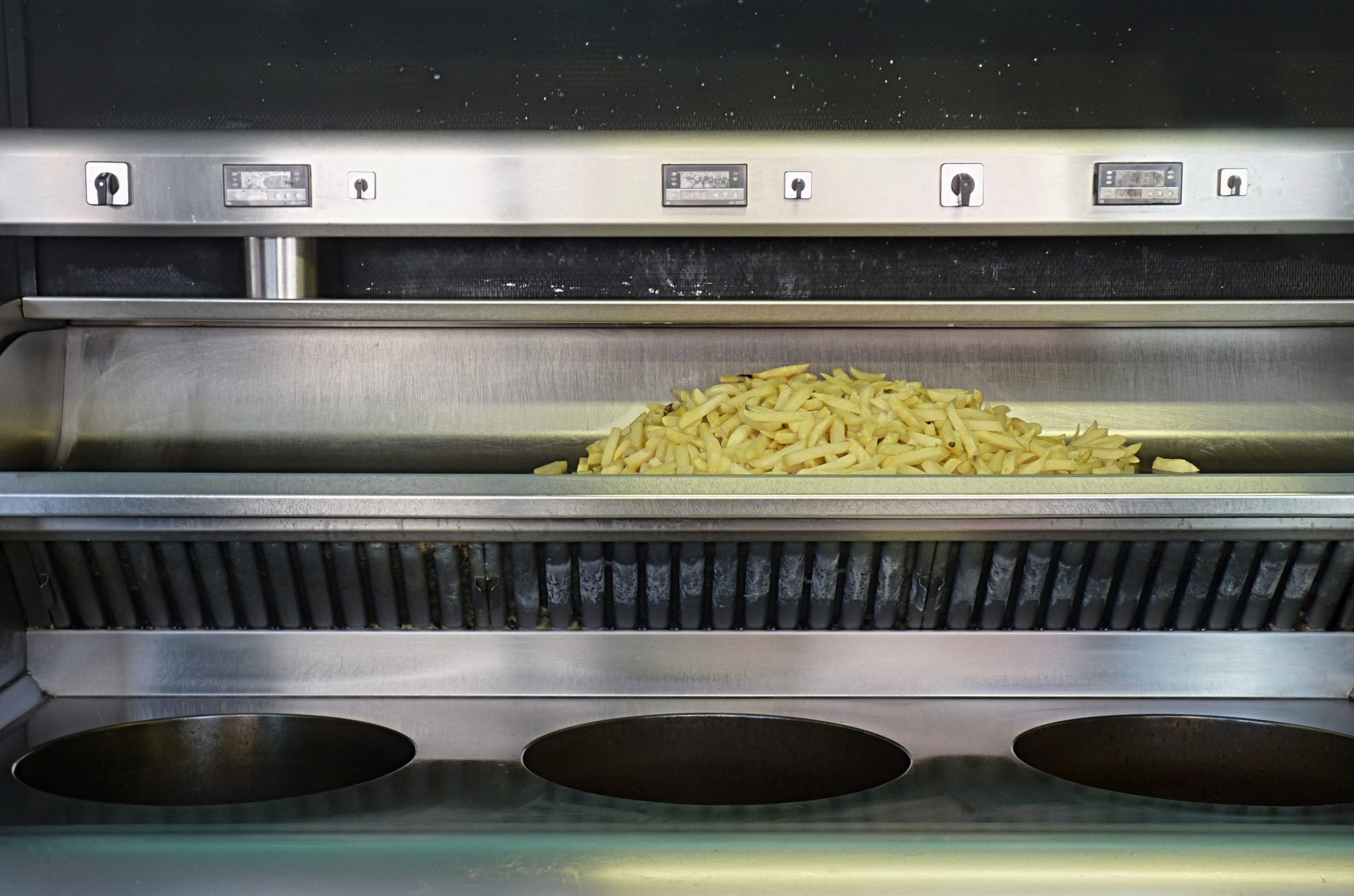
- Fryer. Is there a dedicated fryer for gluten-free food, or is the oil shared with battered or breaded items?
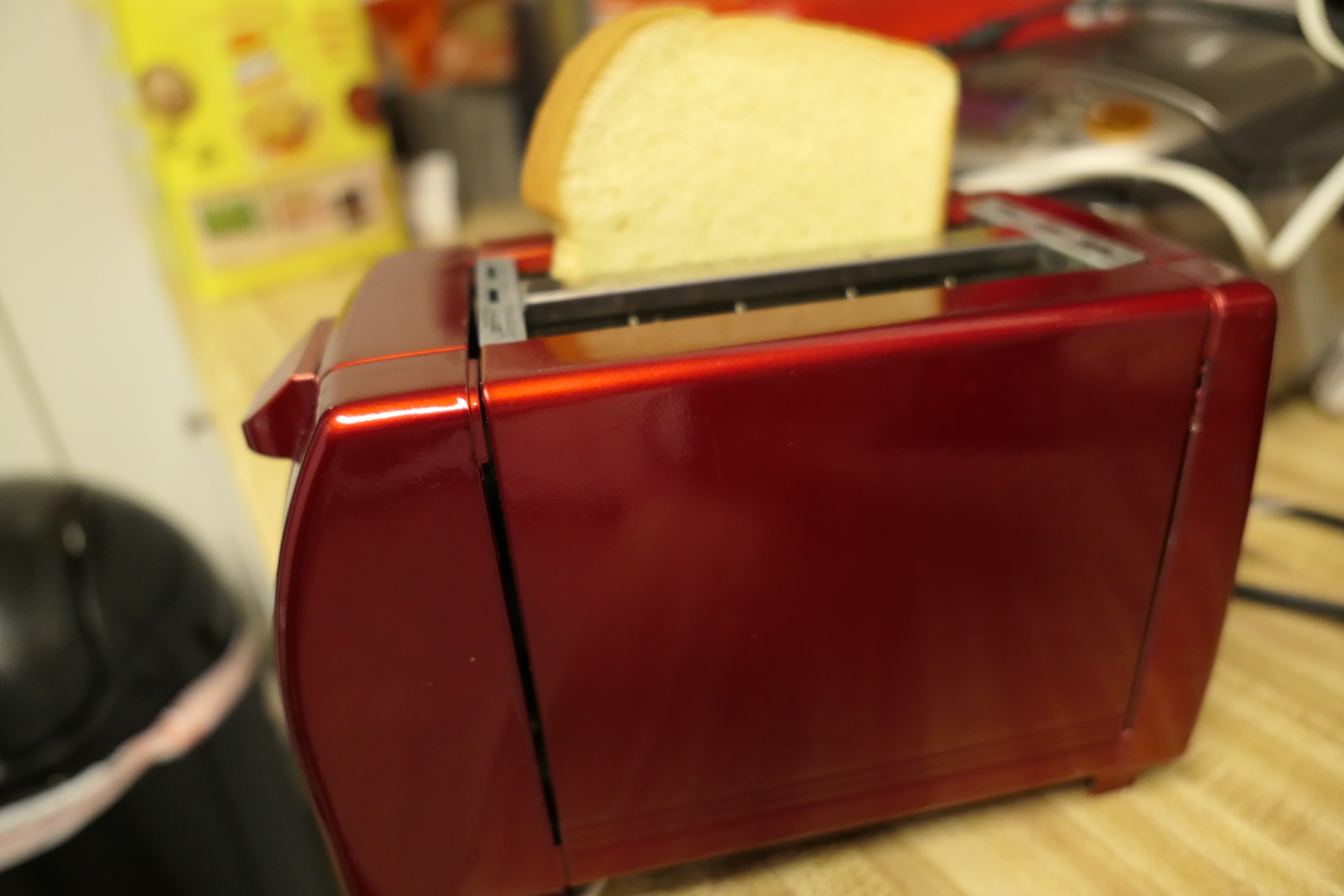
- Toaster. Is gluten-free bread toasted in a separate toaster, a toaster bag, or under a cleaned grill?
- Grill and griddle. Is a clean section or a separate pan used for your food?
- Pasta and vegetables. Is gluten-free pasta boiled in fresh water in its own pot, and are vegetables steamed over clean water rather than pasta water?
- Chopping boards and knives. Are they cleaned or swapped before your food is prepared?
- Pizza ovens. Is gluten-free pizza baked on a separate tray rather than directly on a floured oven floor?
The preparation and service checklist
- Prep area. Is there a separate or freshly cleaned surface for gluten-free dishes?
- Gloves and hands. Will the person preparing your food wash their hands or change gloves first?
- Sauces and stocks. Are sauces thickened with flour, or are stocks and gravies made from bases that contain gluten?
- Garnishes. Will croutons, crispy onions or breadcrumbs be left off at the pass, not picked off afterwards?
- Delivery to the table. Will your plate be marked or carried separately so it is not mixed up?
The dietitians at Beth Israel Deaconess Medical Center’s celiac centre list many of the same steps in their dining out tips for celiac disease, including separate preparation areas and utensils, a clean part of the grill or a separate skillet, fresh gloves, frequent hand washing, and a designated rather than shared fryer. They also suggest asking for vegetables steamed over clean water instead of pasta water.
Where the risk tends to be highest
| Setting | Why it is riskier | What helps |
|---|---|---|
| Bakeries and pizzerias | Flour on surfaces and in the air | Ask whether gluten-free items are made in a separate area |
| Buffets and salad bars | Shared serving spoons travel between dishes | Ask the kitchen to plate a portion for you |
| Fish and chip shops | Batter in the frying oil | Look for a dedicated gluten-free fryer or frying day |
| Breakfast cafés | Shared toasters and griddles | Ask about separate toasting |
| Busy peak service | Less time to change gloves or clean down | Book earlier or later in the evening |
The Beth Israel Deaconess guidance points out that places making their own bread, pizza or pastry are more likely to have problems through airborne and surface gluten unless they have a separate area for gluten-free food. It also suggests going early or late, when staff have more time.
What the answers tell you
The UK business guidance says that if a kitchen handles wheat flour and cannot prevent cross-contamination by separating foods in time and space, it should tell customers and should not make gluten-free claims. So an honest “we can’t guarantee it” is useful information, not a brush-off. A kitchen that answers each question specifically, or offers to check, is showing you its process works.
If you are new to this, our guide to eating out with coeliac disease explains how to raise the subject before you order, and our piece on low-carb ordering at restaurants covers menu words, such as “crispy” and “breaded”, that also signal flour coatings. More guides sit in our Gluten-Free section.
Frequently asked questions
Is “made without gluten ingredients” the same as gluten-free?
Not necessarily. A dish can be made from ingredients that contain no gluten and still pick it up from shared equipment. The UK guidance treats a free-from claim as a guarantee that the food is suitable, which requires strict controls on handling and preparation.
Should I avoid chips altogether?
Only if the kitchen cannot confirm a dedicated fryer. The government guidance is clear that oil used for battered fish is not suitable for gluten-free chips, so ask about the oil every time.
What if I am served something with croutons on it?
Send it back and ask for a fresh plate. The Beth Israel Deaconess guidance advises not to accept mistakes and to explain the problem clearly, since picking the croutons off leaves crumbs behind.
Keep the checklist with you
Save these questions on your phone and pick the three most relevant to the dish you want. A short, specific conversation at the start of a meal is far easier than wondering afterwards. If you have coeliac disease and are unsure how strict you need to be, your doctor or dietitian is the right person to set that level with you.