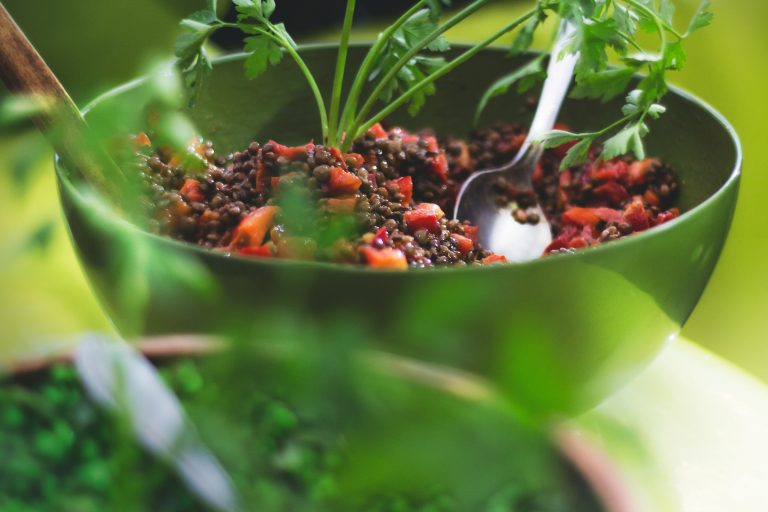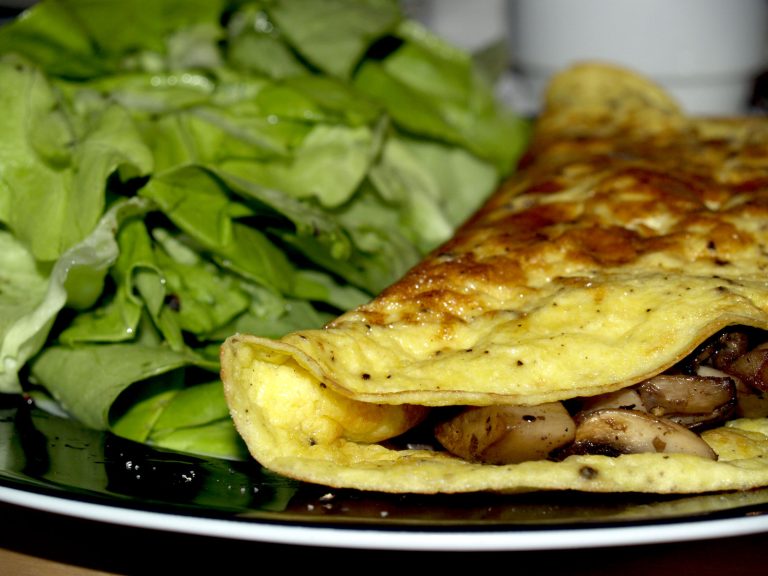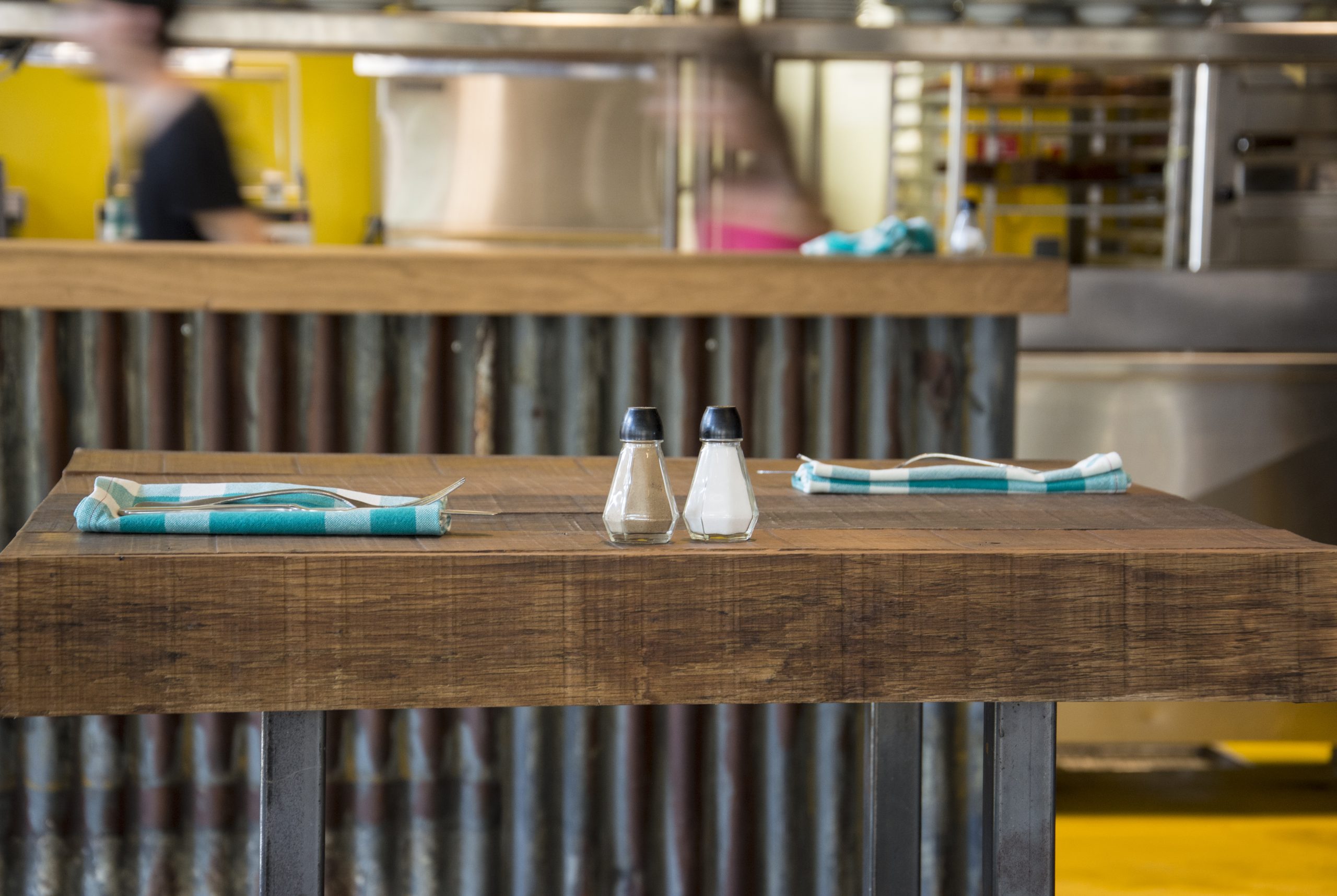
Low sodium eating out comes down to three choices: pick dishes built from fresh ingredients rather than cured or processed ones, ask for sauces and dressings on the side, and ask the kitchen to hold added salt. The salt shaker on the table is only a small part of the picture. Most of the sodium in a restaurant meal is already in the food before it reaches you, in stocks, marinades, cheese, cured meat and condiments.
This guide sets out what to look for on a menu, what to ask, and which types of dish give you the most control.
Key takeaways
- Most dietary sodium comes from packaged and prepared foods, not the salt you add at the table.
- Sauces, stocks, cured meats, cheese, olives and pickles are the usual heavy hitters.
- Simple cooking methods and dishes assembled to order are easier to adjust.
- Ask for no added salt and for sauces and dressings on the side.
- If a clinician has set you a sodium limit, follow their advice over any general guide.
Why restaurant food runs salty
It helps to know the scale of the target. The NHS advises adults to have no more than 6g of salt a day, around one level teaspoon, with lower limits for children. In the US, the FDA’s guidance on sodium in your diet gives a limit of less than 2,300 mg of sodium a day for adults and says that more than 70 per cent of the sodium people eat comes from packaged and prepared foods rather than the salt shaker. The World Health Organization’s salt reduction fact sheet sets a lower recommendation, less than 2,000 mg of sodium a day, which it equates to about 5g of salt.
Restaurant meals are prepared food by definition. Kitchens season in layers: a brined protein, a stock-based sauce, a salted garnish, then a final pinch. Each layer is small, but they add up, and you cannot see any of them on the menu. That is why low sodium eating out is mostly about choosing the right kind of dish rather than refusing the shaker.
What to look for when choosing a dish
Think of this as a buyer’s checklist for the menu. The more boxes a dish ticks, the easier it is to keep salt down.
- Cooked to order. Grilled, roasted, steamed or pan-cooked items can usually be seasoned lightly on request. Long-simmered stews, soups and braises are made in advance, so the salt level is fixed.
- Fresh rather than cured. The NHS lists cured meats and fish, cheese, olives and pickles among the foods to eat less often for salt. A dish built on fresh chicken, fish, eggs, beans or vegetables gives you more room.
- Sauce you can separate. A sauce poured over the top can be served on the side. A sauce the food was cooked in cannot.
- Few condiment-heavy components. The NHS names soy sauce, gravy, ketchup, mustard, mayonnaise and brown sauce as common salt sources, and WHO highlights soy and fish sauce as high in sodium.
- Simple sides. Plain rice, boiled or baked potatoes, salad and steamed vegetables tend to need less seasoning than fries, flavoured rice or bread with salted butter.
Comparing common restaurant choices
Use this as a rough guide to where salt tends to sit, not as a measure of any particular dish. Recipes vary widely between kitchens.
| Type of dish | Where the salt usually is | Easier swap or request |
|---|---|---|
| Soups and broths | Stock base, seasoning | Choose a salad or vegetable starter instead |
| Cured meat or cheese boards | Ham, salami, aged cheese, olives | Fresh fruit, plain vegetables or a simple salad |
| Stir-fries | Soy, oyster or fish sauce | Ask for less sauce or sauce on the side |
| Grilled fish or chicken | Marinade, finishing salt | Ask for no added salt and lemon on the side |
| Burgers and sandwiches | Bread, cheese, bacon, sauces, pickles | Skip the cheese and bacon, sauces on the side |
| Curries and braises | Made ahead in a seasoned base | Ask whether a grilled dish is available instead |
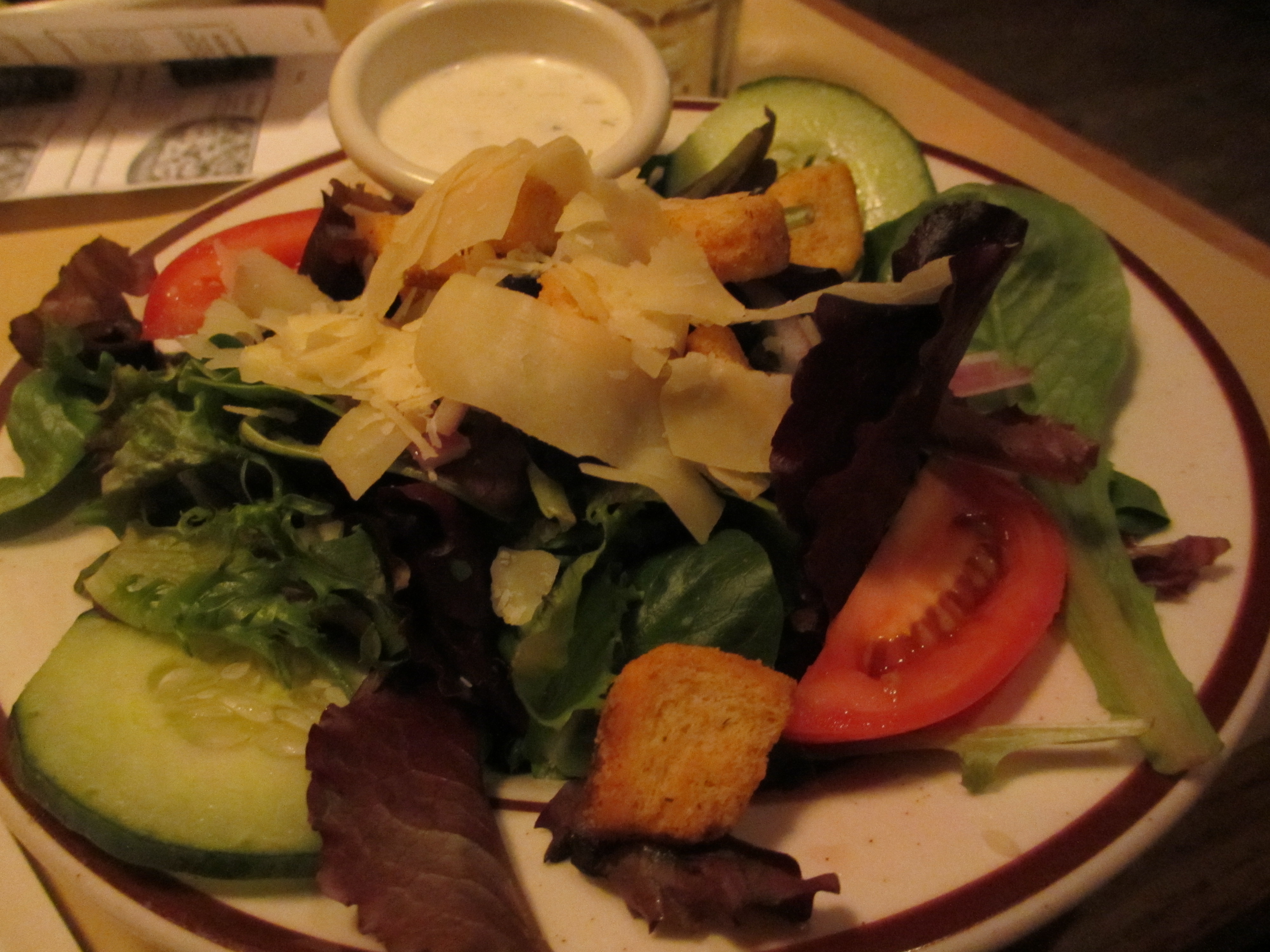
| Salads | Dressing, cheese, croutons, cured toppings | Dressing on the side, skip salted toppings |
Questions worth asking the kitchen
Staff cannot always tell you sodium figures, but they can usually tell you how a dish is made. Keep requests specific and easy to say yes to:
- “Could the chef leave off any added salt on this?”
- “Is the sauce made in-house, and can it come on the side?”
- “Is this marinated or brined beforehand?”
- “Could I have plain rice or a baked potato instead of the fries?”
The FDA also suggests asking for meals made without table salt and for sauces and dressings on the side so you can use less. Lemon, black pepper, fresh herbs and chilli are good ways to add flavour at the table, and the NHS recommends herbs and spices as an alternative to extra salt.
If you also manage blood sugar, the approach overlaps a great deal with our checklist for eating out with diabetes, and the habit of asking how a dish is built is the same one used in low-carb ordering at restaurants.
Low sodium eating out: choosing where to go
Some formats make low-sodium choices easier than others. Places that cook to order, with a grill or an open kitchen, usually have more flexibility than those that rely on dishes prepared hours ahead. Restaurants that publish nutrition information online let you compare options before you go. Build-your-own formats, such as salad bars or bowl counters, let you leave out the salty toppings yourself.
Buffets and set menus are harder, because everything is pre-seasoned and staff may not know the recipes. If you are going to one, plan to fill most of your plate with plain vegetables, salad and unsauced proteins.
Frequently asked questions
Is sea salt or pink salt lower in sodium?
The guidance pages we checked do not treat speciality salts differently. The NHS and FDA advice is about the total amount of salt and sodium, so it is safest to treat any salt as salt.
Can I ask a restaurant for a no-salt meal?
You can ask, and many kitchens cooking to order will reduce or leave out added salt. They cannot remove salt that is already in stocks, sauces, bread or cured ingredients, so pair the request with a dish that is simple to begin with.
I have high blood pressure or kidney disease. Is this enough?
This guide covers general habits only. If you have been given a specific sodium or fluid limit, follow the plan your doctor, dietitian or specialist nurse has set, and ask them which restaurant dishes fit it.
A simple routine for your next meal out
Pick a dish cooked to order, ask for no added salt, take the sauce on the side and choose a plain side. Those four moves cover most of the ground. For more guides on eating out with health goals in mind, see our low-carb and health section.