Eating out with diabetes mostly comes down to planning ahead: decide roughly what you will order, keep your usual meal timing where you can, build a plate with plenty of vegetables and a sensible portion of carbohydrate, choose drinks carefully, and carry what you need in case of a hypo. None of this means avoiding restaurants. It means making a few decisions before the menu arrives. Your own diabetes team knows your medication and targets, so use this checklist alongside their advice.
Key takeaways
- Decide what you will order before you go, and have a snack if the meal will be late.
- Aim for half the plate as non-starchy vegetables, a quarter protein and a quarter carbs.
- Water or a low-calorie drink is the simplest choice with a meal.
- Alcohol raises the risk of hypos for up to 24 hours, so never drink on an empty stomach.
Eating out with diabetes: before you go
- Look at the menu online. The US Centers for Disease Control and Prevention suggests that you decide what you are going to order before you go, so you are not rushed at the table.
- Think about timing. The CDC advises that if your meal will be later than normal, you have a snack before you go out so you do not get too hungry.
- Check your kit. Blood glucose meter or sensor, any medicines you take with meals, and hypo treatment.
- Tell your companions. Diabetes UK recommends making sure the people you are with know you have diabetes and how to help if you have a hypo.
- If you take insulin, plan the dose timing. Restaurant meals do not always arrive when expected. Your diabetes team can advise how to handle this with your treatment.
When you order
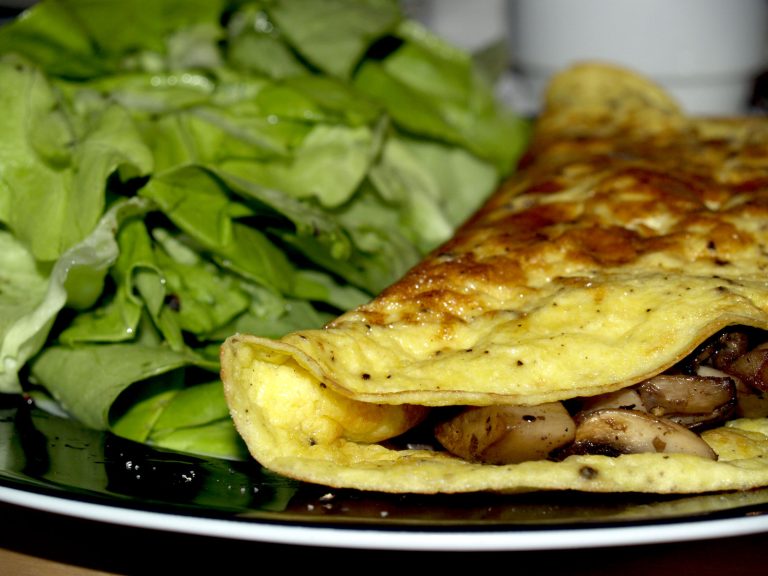
- Use the plate method as a guide. The CDC’s guidance on diabetes meal planning suggests filling half the plate with non-starchy vegetables such as salad, green beans and broccoli, a quarter with lean protein such as chicken, beans, tofu or eggs, and a quarter with carbohydrate foods.
- Ask for swaps. Extra vegetables or salad in place of a second starchy side is a routine request in most restaurants. Our guide to low-carb ordering at restaurants covers how to ask.
- Watch the portion. The CDC suggests sharing a main dish or eating half and taking the rest home.
- Ask about sauces and glazes. Sweet coatings and sauces can add carbohydrate you did not plan for.
- Choose dessert deliberately. Sharing one, choosing fruit, or simply having coffee are all reasonable options.
Drinks and alcohol
- Start with water. The CDC suggests drinking a big glass of water as soon as you sit down, and choosing water or a low-calorie drink with your meal.
- Be cautious with alcohol. Diabetes UK’s guidance on alcohol and diabetes warns that your risk of a hypo does not go away after you stop drinking, but increases and can last up to 24 hours.
- Never drink on an empty stomach. Diabetes UK says you are even more likely to have a hypo if you do.
- Keep to the guidelines. It advises that it is safest not to regularly drink more than 14 units a week.
- Remember the confusion risk. Diabetes UK notes that people sometimes mistake a hypo for being drunk, which is another reason to make sure your companions know what to look for.
Being ready for a hypo
- Carry hypo treatment with you at the table, not in a coat in the cloakroom.
- Wear medical ID. Diabetes UK recommends always wearing some form of medical identification.
- Check if unsure. If you feel odd during or after a meal or a drink, check your blood sugar rather than guessing.
- Know your treatment plan. Diabetes UK’s guidance describes treating a low reading below 4 mmol/l with some sugary food or drink, followed by something starchy. Restaurants can usually bring a sugary drink quickly if you ask, but carrying your own treatment means you are never waiting. Follow the plan your diabetes team has given you.
Quick reference
| Moment | Check |
|---|---|
| Before you go | Menu planned, snack if eating late, kit packed |
| Ordering | Half veg, quarter protein, quarter carbs; sauces checked |
| Drinks | Water first; alcohol only with food |
| After the meal | Hypo risk after alcohol lasts up to 24 hours |
If you follow a lower-carbohydrate approach, our comparison of keto vs low carb explains how the two differ. If you observe Ramadan, our guide to eating out during Ramadan includes Diabetes UK’s advice on fasting safely.
Frequently asked questions
Do I need a special menu if I have diabetes?
No. Most menus have suitable choices. The plate method and a few swaps usually give you a balanced meal from the standard menu.
Should I count carbohydrates when I eat out?
That depends on your treatment and targets. The CDC suggests working with your doctor or a registered dietitian to find out how many carbohydrates you should aim for at each meal.
Is it safe to drink alcohol with diabetes?
Many people with diabetes do drink, but Diabetes UK advises eating when you drink, keeping within 14 units a week, and remembering that hypo risk can last up to 24 hours. Ask your diabetes team how alcohol affects your own treatment.
Make it routine
Save the quick-reference table on your phone and run through it before each meal out. After a few outings, the checks become habit, and the meal becomes the focus again. For more guides on health-led eating, see our Low-Carb and Health section, and keep your diabetes team in the loop about anything that changes.