Eating out during Ramadan usually means booking iftar, the meal that breaks the day’s fast at sunset. To make it go smoothly, book a table timed to sunset, check the restaurant’s halal status and whether it serves alcohol, arrange for water and dates or a light starter to arrive promptly, and pace the meal rather than eating everything at once. If you are hosting friends who are fasting, the same steps apply, with the extra courtesy of letting them set the timing.
Key takeaways
- Muslims fasting in Ramadan eat and drink only before dawn and after sunset.
- Iftar is taken just after the sunset call to prayer, often starting with dates and water.
- Book ahead: restaurants serving iftar can be busy right at sunset.
- If you have diabetes, talk to your healthcare team before deciding whether to fast.
What happens during Ramadan
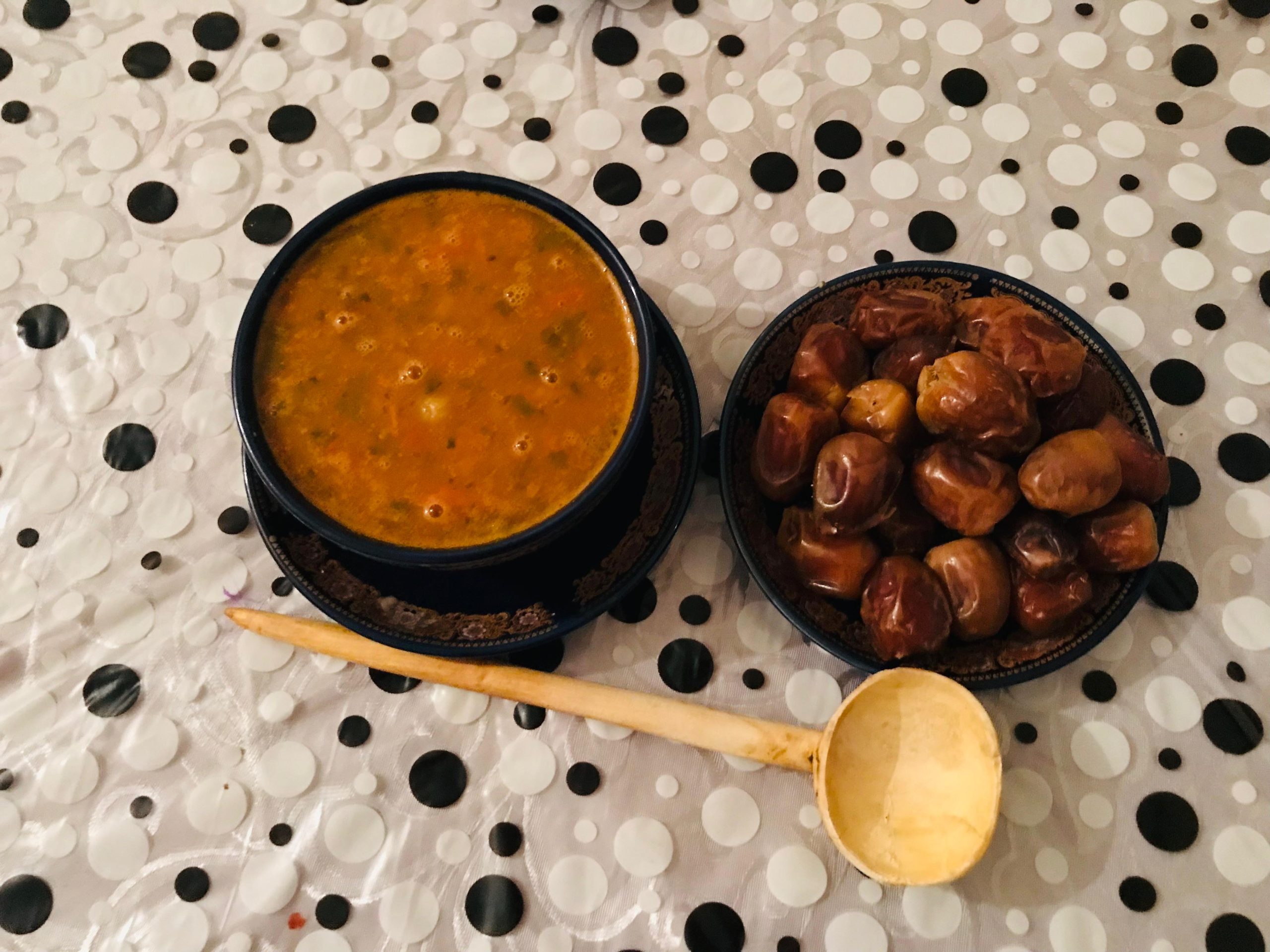
Britannica’s overview of Ramadan describes it as the ninth month of the Islamic calendar and a holy month of fasting. Muslims fast from dawn until dusk, eating and drinking only before sunrise and after sunset. Before dawn there is a meal called suhoor, and after sunset the fast is broken with iftar, which usually begins with dates, following the custom of the Prophet Muhammad.
Because the Islamic calendar is shorter than the Gregorian calendar, Britannica notes that Ramadan begins 10 to 12 days earlier each year. That means the length of the fasting day, and the time of iftar, changes from year to year and from place to place.
Eating out during Ramadan, step by step
- Check the iftar time for the date. The Wikipedia article on iftar explains that the meal is taken just after the call to the Maghrib prayer, around sunset. Local mosques and prayer timetables give exact times.
- Book for just before sunset. Arriving 15 to 20 minutes early lets you settle in and order so food is ready on time.
- Ask for the fast-breaking items first. Request water, and dates if the restaurant has them, to be brought to the table at sunset, before the main order.
- Confirm halal status and alcohol policy. If it matters to you, ask who certifies the meat and whether alcohol is used in cooking or served.
- Order in stages. A soup or light starter first, then mains, gives the body time after a long fast and keeps the meal relaxed.
- Allow time for prayer. Some diners will want to pray Maghrib soon after breaking the fast. A quiet corner or a table near the door helps.
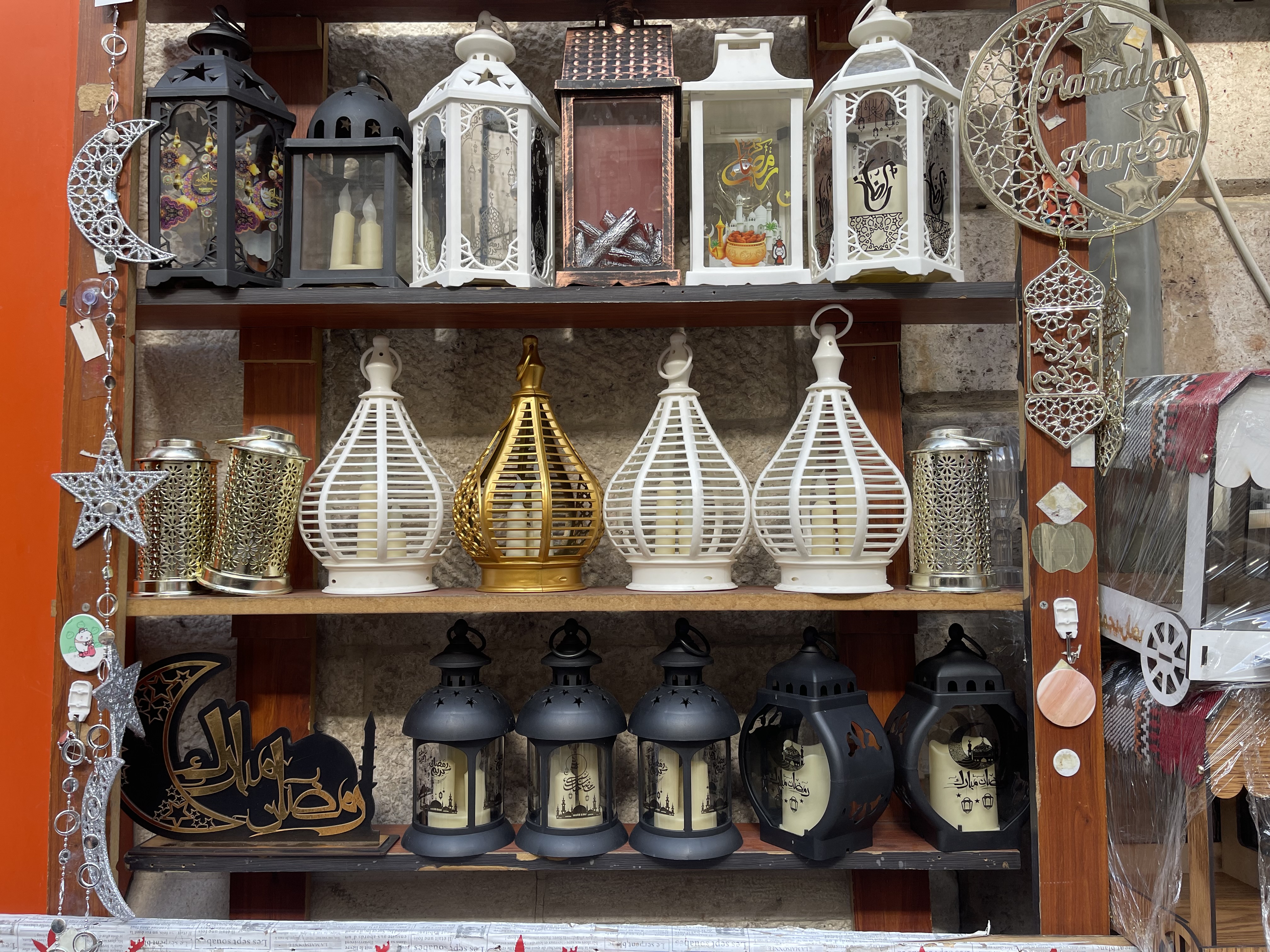
Choosing a restaurant for iftar
The Wikipedia article notes that in many Muslim-majority cities restaurants offer special set menus for iftar, and that mosques and community organisations often host large communal iftars. Elsewhere, you may need to plan more deliberately.
| What to check | Why it matters |
|---|---|
| Halal certification | Many fasting diners will only eat halal meat; ask who certifies it |
| Alcohol on the premises | Some diners prefer venues that do not serve alcohol |
| Opening time and kitchen readiness | The kitchen needs to be ready to serve at sunset |
| Group size and booking | Iftar tables for families and friends fill quickly at sunset |
| Late opening | Some groups linger after iftar or eat again later |
Our guide to what halal certification means for diners explains the questions worth asking about meat and kitchens. Desserts deserve a question too: our checklist of hidden animal ingredients covers gelatine, which some diners avoid unless its source is known.
Pacing the meal after a long fast
Breaking a fast with a huge meal can leave you uncomfortable, so many people start small. Traditionally, Wikipedia notes, the fast is broken with dates and water, and where dates are not available, water alone is enough.
For people with diabetes, Diabetes UK’s guidance on Ramadan suggests limiting dates to one to open the fast, or opening it with a glass of water, and rehydrating with sugar-free drinks rather than sugary fizzy drinks or fruit juice. It also stresses not skipping suhoor and choosing slow-digesting, high-fibre starches such as oats or brown rice at that meal.
If you are hosting fasting friends
If you are not fasting but are taking friends out during Ramadan, a few small gestures make a difference:
- Let them choose the restaurant and the timing.
- Avoid scheduling lunches or daytime meetings over food.
- Make sure water is on the table at sunset.
- Do not start eating before they break their fast.
- Check the venue suits their dietary practice before you book.
Frequently asked questions
Does everyone fast during Ramadan?
No. Britannica notes that pregnant or nursing women, children, older people, those who are ill and travellers are among those exempt, and that people who are ill or travelling can make up missed days later.
Should people with diabetes fast?
Diabetes UK says it is important to check in with your healthcare team before Ramadan, and that if your diabetes is not on track, fasting may not be safe that year. It advises breaking the fast if blood sugar goes too low or too high. Follow your own clinician’s advice.
When does Ramadan end?
Ramadan ends with the festival of Eid al-Fitr, the Feast of Fast-Breaking, which many families also celebrate with a meal out.
Planning your iftar table
Check the iftar time for your date, book a table for just before sunset, and ask the restaurant to bring water and dates as soon as the fast ends. Confirm the halal and alcohol questions in advance so nobody has to ask at the table. With the practical details settled, the meal can be what it is meant to be: a shared moment at the end of a long day. More guides are in our Halal and Kosher section.