A Jain diet is a strict vegetarian diet that, for many observant Jains, also excludes root vegetables such as potatoes, onions and garlic, along with eggs, honey and alcohol, and sometimes any food after sunset. Hindu vegetarian eating varies more widely: many Hindus eat dairy but no meat or eggs, and some also avoid onion and garlic. When dining out, the key is to choose a kitchen that can cook without those base ingredients, and to say clearly which rules you follow.
Practice differs a great deal between families and individuals, so treat the guidance below as a map, not a rulebook.
Key takeaways
- Many observant Jains avoid meat, fish, eggs, honey, alcohol and root vegetables including potatoes, onions and garlic.
- Hindu vegetarians are commonly lacto-vegetarian; some also avoid onion and garlic or eggs.
- Onion and garlic are the main problem when eating out, because they sit in so many sauce bases.
- Vegetarian restaurants that cook to order are usually the easiest to work with.
- State your exact rules; “vegetarian” alone is rarely enough.
What a Jain diet usually excludes
The principle behind Jain eating is ahimsa, or non-violence. Britannica’s overview of Jain ethics notes that non-violence influences every aspect of life, from diet to daily activities, and that Jains extend it to animals, insects, plants and microbes; avoiding food and drink at night is among the practices rooted in it.
In practical terms, the encyclopaedia entry on Jain vegetarianism describes a diet that prohibits meat, fish, eggs, alcohol and honey, and restricts root vegetables including potatoes, onions and garlic. Many Jains also avoid mushrooms and some avoid certain vegetables such as aubergine or cauliflower. Dairy is generally accepted, although some Jains, particularly outside India, have chosen to avoid it. Observance can be stricter at certain times of year.
How many follow these rules closely? A 2021 Pew Research Center survey in India, summarised in its piece on vegetarianism in India, found that 92 per cent of Jains said they were vegetarian and 67 per cent said they abstain from root vegetables such as garlic and onions.
How Hindu vegetarian eating differs
Hindu vegetarianism is not one diet. The same Pew survey found that 44 per cent of Hindus in India said they were vegetarian, and that about one in five Hindus (21 per cent) avoid root vegetables such as onion and garlic. Many Hindu vegetarians are lacto-vegetarian: they eat dairy but not meat, fish or eggs. Others eat eggs. Some follow stricter rules on fasting days or at certain times of year.
If you are hosting or ordering for someone else, ask rather than assume. The questions that matter are simple: eggs or no eggs, onion and garlic or not, and any timing rules.
A side-by-side guide to the usual rules
| Item | Many observant Jains | Many Hindu vegetarians |
|---|---|---|
| Meat, fish, seafood | Avoid | Avoid |
| Eggs | Avoid | Varies; often avoided |
| Dairy (milk, paneer, ghee, yoghurt) | Usually accepted | Usually accepted |
| Honey | Avoid | Usually accepted |
| Onion and garlic | Avoid | Some avoid |
| Potatoes, carrots, other root vegetables | Avoid | Usually accepted |
| Eating after sunset | Some avoid | Not usually a rule |
Choosing a restaurant: what to look for
Think of this as the buyer’s checklist. The more of these a place offers, the easier the meal will be.
- A vegetarian kitchen. A fully vegetarian restaurant removes the meat and egg questions at once, leaving you to focus on root vegetables.
- Food cooked to order. Many curries and sauces start with onion and garlic cooked in advance. A kitchen that cooks each dish fresh can leave them out; one that ladles from a ready-made base cannot.
- Familiarity with the request. If a menu marks a dish as Jain, or staff offer a “Jain version”, ask exactly what that means in their kitchen: no onion, no garlic, no potatoes, no other root vegetables. The word is a description, not a certified standard.
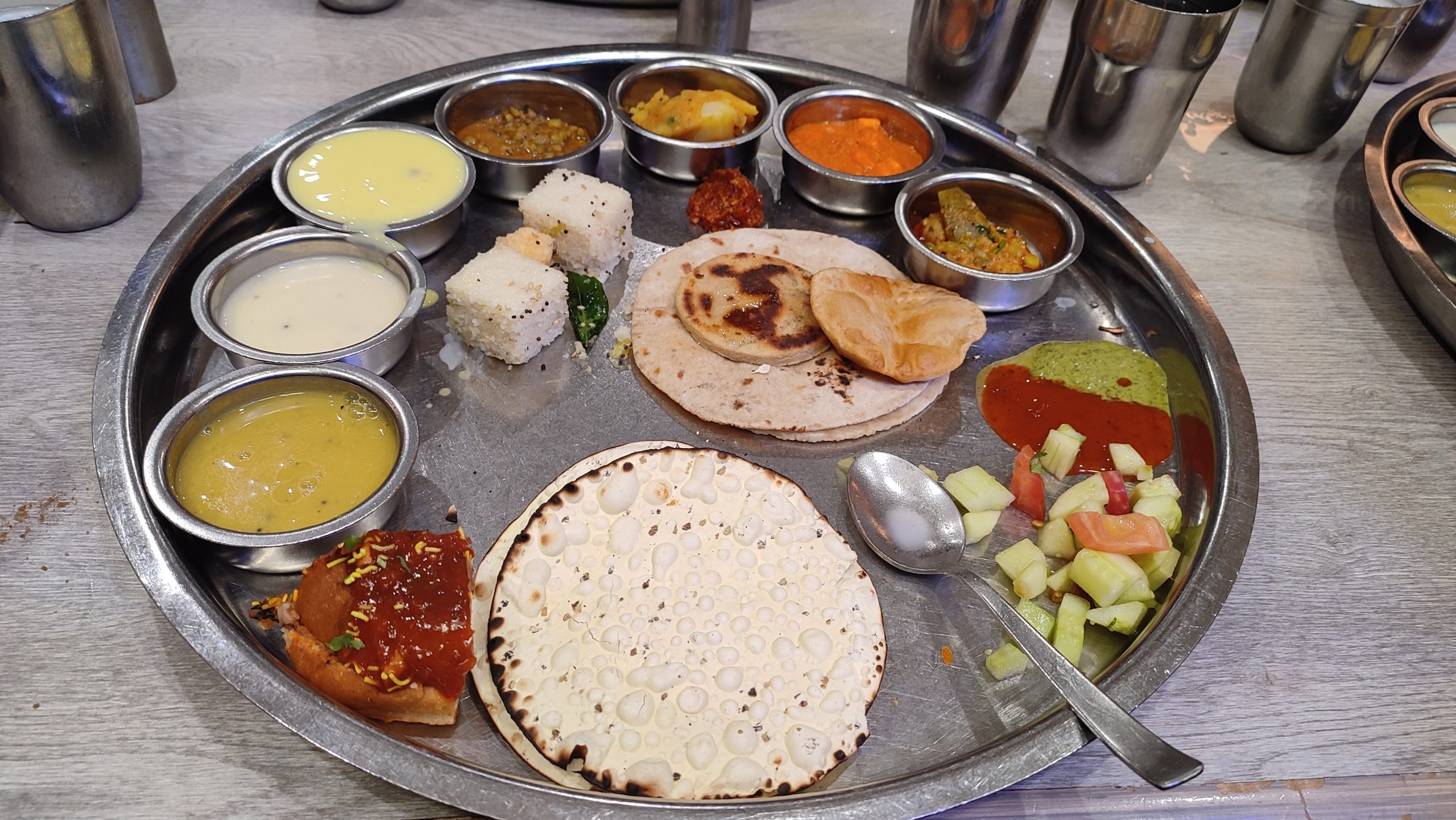
- Simple dishes on the menu. Dal, plain rice, rotis, steamed or tempered green vegetables, kadhi and paneer dishes can often be made without root vegetables.
- Clear answers about stock and fat. For vegetarians generally, our checklist of hidden animal ingredients covers stocks, gelatine and other surprises.
Restaurants outside Indian cuisine can work too. Italian, Mediterranean and East Asian kitchens that cook to order can often make a vegetable dish with no onion or garlic, though you will need to check stocks and sauces carefully.
Ordering: the words that work
Precision helps the kitchen. Instead of “vegetarian”, try “No meat, fish or egg, and no onion, garlic, potatoes or other root vegetables, please.” If you also avoid honey or mushrooms, add them. If timing matters, book an early table rather than asking a kitchen to rush.
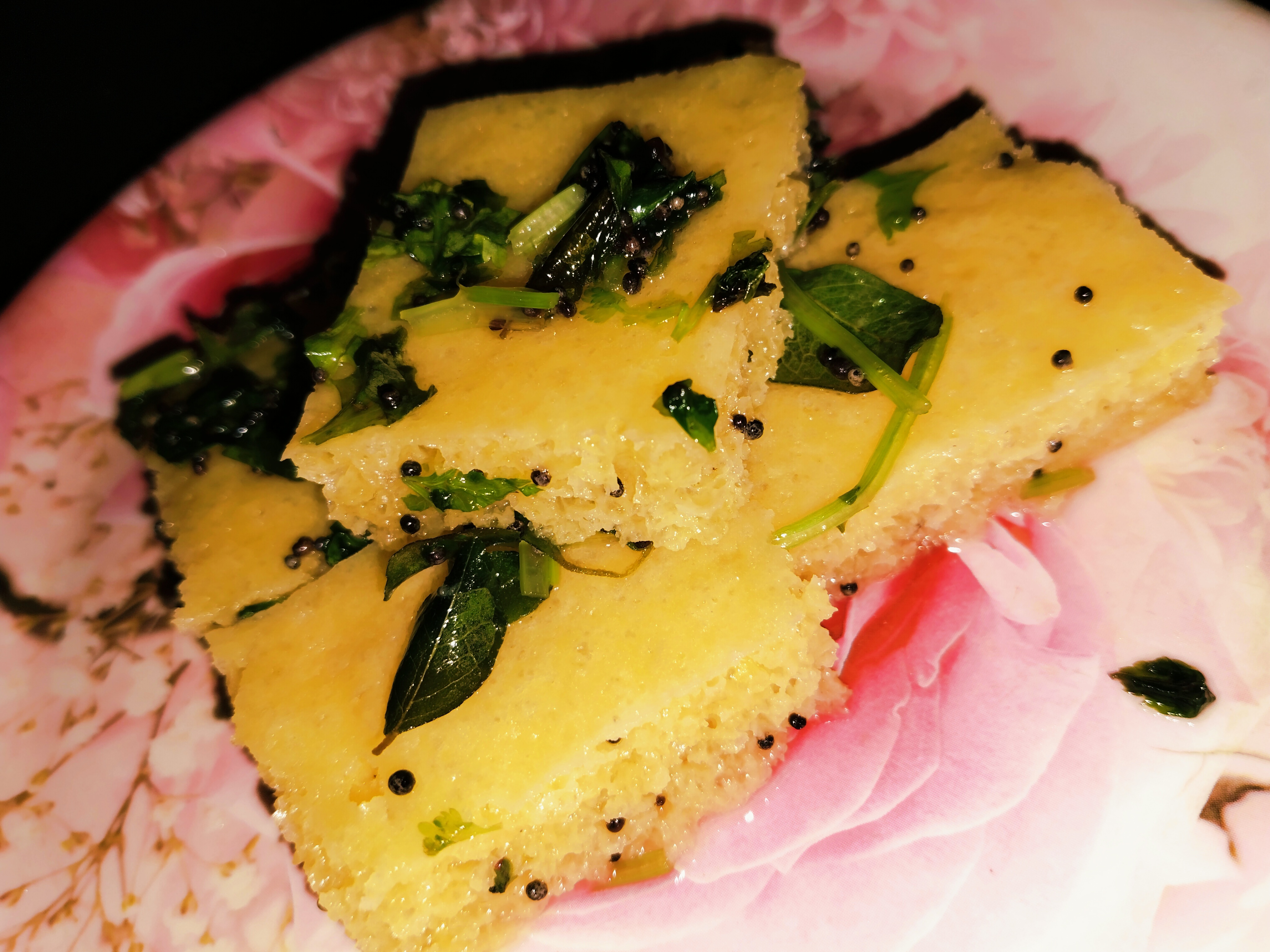
A few dishes need particular care. Fermented batters, such as those used for dhokla, idli and dosa, are avoided by some strict Jains because they are left overnight, so ask how they are made.
For a broader explanation of how vegetarian, vegan and pescatarian labels differ on menus, see our comparison of vegetarian vs vegan.
Frequently asked questions
Is a Jain diet the same as a vegan diet?
No. Most Jains eat dairy, which vegans avoid, and vegans eat root vegetables, which many Jains avoid. A vegan dish may still contain onion, garlic or potato.
Do all Hindus avoid onion and garlic?
No. The Pew survey found about one in five Hindus in India avoid root vegetables such as onion and garlic. Practice depends on family, tradition and the occasion.
Can I ask a non-Indian restaurant for a Jain meal?
You can, but describe the rules rather than using the word “Jain”, which many kitchens will not recognise. A plain list of what to leave out is clearer.
Book early and say it plainly
Choose a vegetarian kitchen that cooks to order, book a table that suits any timing rules, and give staff a precise list of what to leave out. For more on eating out with faith-based diets, browse our Halal and Kosher section.