The major food allergens are the foods that the law requires businesses to declare because they cause most serious allergic reactions. The UK and the EU use the same list of 14, including celery, mustard, lupin, molluscs and sulphites. The US list is shorter, with nine: milk, eggs, fish, crustacean shellfish, tree nuts, peanuts, wheat, soybeans and sesame. The lists overlap heavily, but the differences matter if you travel, eat imported food, or have an allergy to something on only one of them.
Key takeaways
- The UK and EU share one list of 14 allergens; the US has nine.
- Celery, mustard, lupin, molluscs and sulphites are on the UK and EU list but not the US one.
- Sesame became the ninth US major allergen from 1 January 2023.
- UK restaurants must give allergen information; US labelling rules mainly cover packaged food.
The major food allergens side by side
| Allergen | UK | EU | US |
|---|---|---|---|
| Cereals containing gluten | Yes | Yes | Wheat only |
| Crustaceans | Yes | Yes | Yes (crustacean shellfish) |
| Molluscs | Yes | Yes | No |
| Eggs | Yes | Yes | Yes |
| Fish | Yes | Yes | Yes |
| Peanuts | Yes | Yes | Yes |
| Tree nuts | Yes | Yes | Yes |
| Soybeans | Yes | Yes | Yes |
| Milk | Yes | Yes | Yes |
| Sesame | Yes | Yes | Yes |
| Celery | Yes | Yes | No |
| Mustard | Yes | Yes | No |
| Lupin | Yes | Yes | No |
| Sulphur dioxide and sulphites | Yes | Yes | No |
The UK and EU columns match because both come from the same EU regulation, which is now also part of UK law. You can read the full list, with its exceptions, in Annex II of the regulation on legislation.gov.uk. The US list comes from the Food and Drug Administration’s guidance on food allergies.
Where the lists differ, and why it matters
Gluten versus wheat. The UK and EU list “cereals containing gluten”, naming wheat (including spelt and khorasan wheat), rye, barley and oats. The US list names wheat only. So a product sold in the US must declare wheat, but barley or rye may appear only in the ingredient list rather than as a highlighted allergen. If you avoid gluten, read the full ingredients.
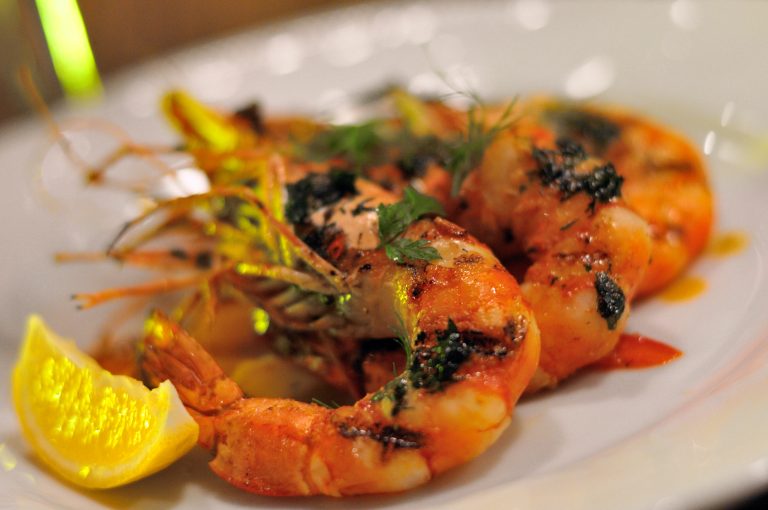
Molluscs. The UK and EU list crustaceans and molluscs separately. The US covers crustacean shellfish, such as crab, lobster and shrimp, but not molluscs such as mussels, clams, oysters or squid.
Celery, mustard, lupin and sulphites. These four appear only on the UK and EU list. Sulphur dioxide and sulphites are covered when present at more than 10mg per kg or per litre.
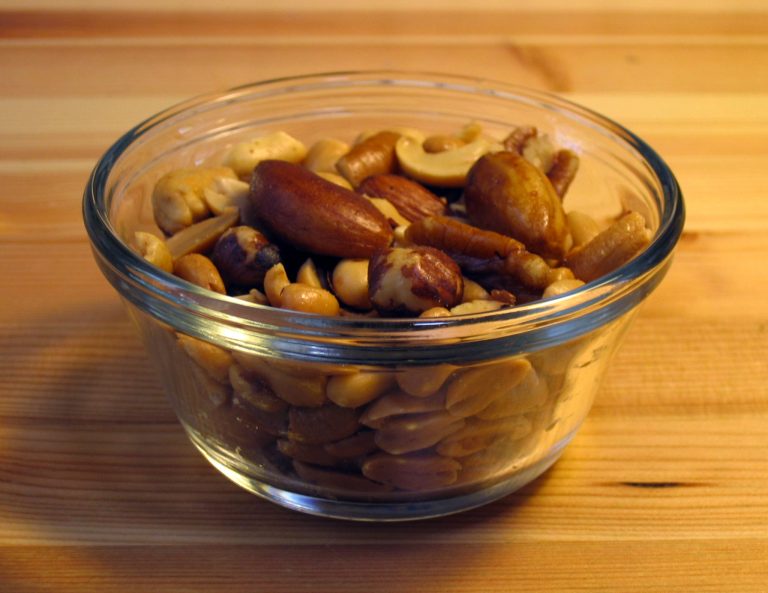
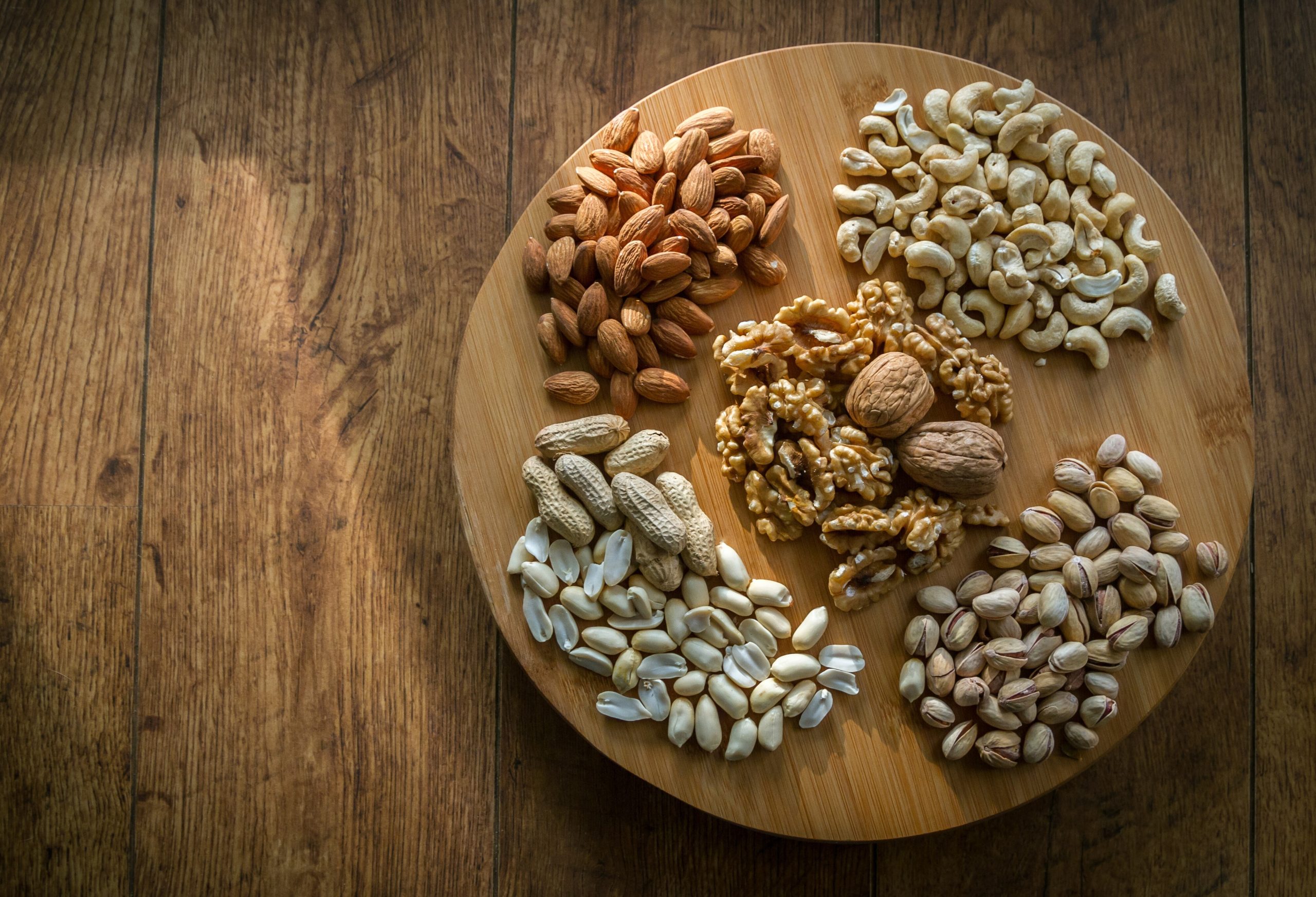
Nuts. The UK and EU list names eight nuts: almonds, hazelnuts, walnuts, cashews, pecans, Brazil nuts, pistachios and macadamias. The FDA requires labels to identify the specific type of tree nut.
Exceptions. The UK and EU list also carves out some highly processed derivatives. Examples include wheat-based glucose syrups, fully refined soybean oil and fat, and fish gelatine or isinglass used as a fining agent in beer and wine. Exceptions are listed item by item, so if your allergy is severe, it is worth checking with your clinician how strictly you need to avoid these derivatives as well.
Sesame and the US list
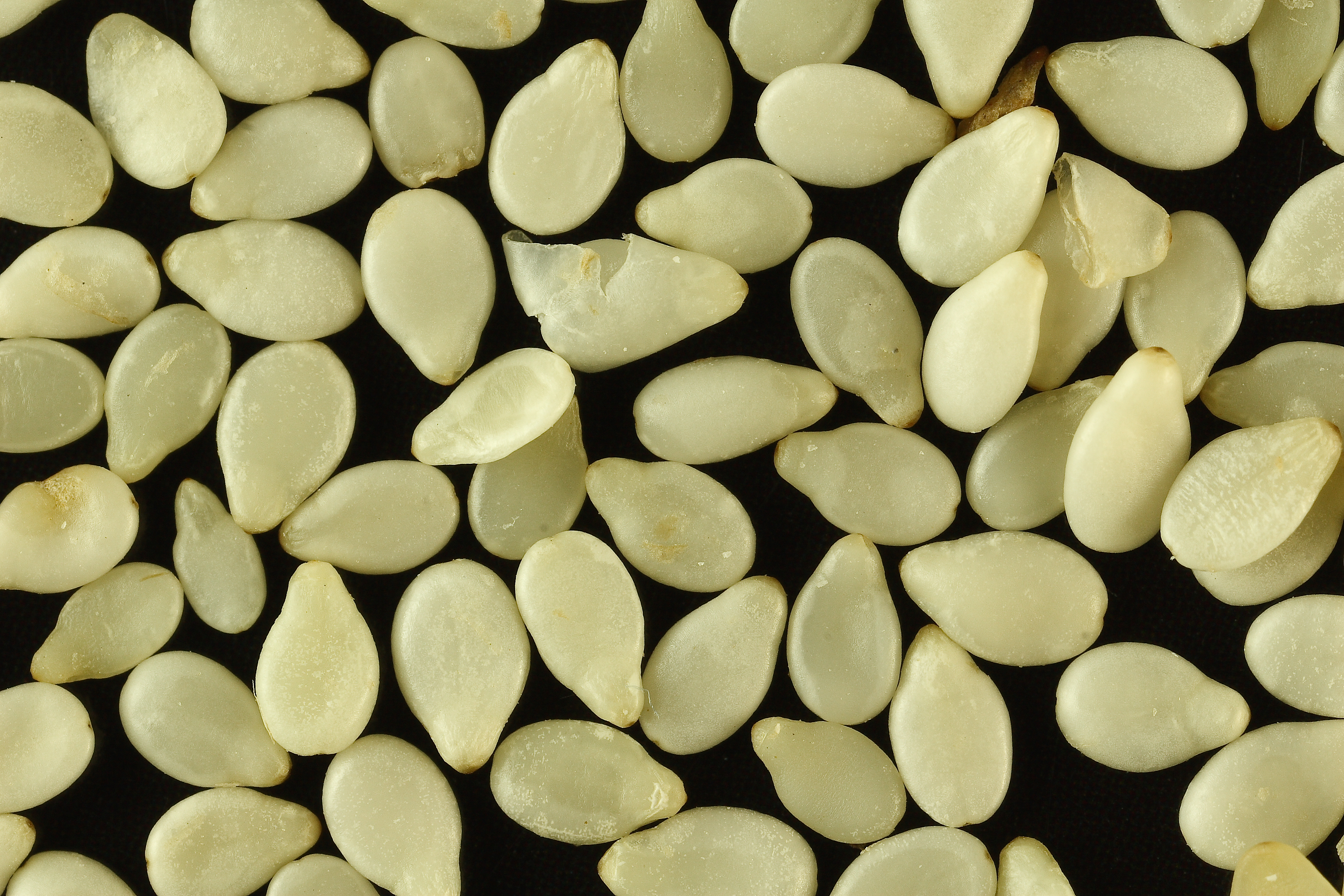
The US list grew in 2023. The FDA explains that its original 2004 allergen labelling law named eight major allergens, and that sesame was added by a later law, with the change taking effect on 1 January 2023. Products already on shelves before that date did not have to be relabelled, so for a time some packaged foods may not have shown sesame as an allergen.
Under US rules, labels must identify the food source of each major allergen, either in brackets after the ingredient, such as “whey (milk)”, or in a “Contains” statement.
Eating out: the bigger difference
For diners, the most important gap is not in the lists themselves but in how they apply to restaurants.
In the UK, the government’s food allergy and intolerance advice for consumers says that when you eat out or order a takeaway, the restaurant or café must provide allergen information on the 14 allergens, in writing or verbally with a signpost to where it can be found.
In the US, the FDA explains that its labelling requirements extend to food-service establishments that package and label food for sale, but that food wrapped after a customer orders, and most unpackaged food served in restaurants, falls outside those requirements. That does not mean US restaurants will not help, only that you should expect to ask rather than rely on a printed declaration. Our guide to telling restaurant staff about a food allergy gives a script that works in either country.
Frequently asked questions
If my allergen is not on a country’s list, is it still labelled?
It should still appear in the ingredient list on packaged food, but it may not be highlighted or declared separately. When you eat out, ask directly rather than relying on allergen charts.
Are “vegan” foods safe for people with milk or egg allergies?
Not automatically. As we explain in our guide to eating vegan at restaurants, UK guidance says a vegan label means no animal ingredients were used intentionally, not that cross-contamination is impossible.
Does a gluten-free claim follow the allergen rules?
Gluten-free claims have their own rules and limits, separate from allergen declarations. Our explainer on gluten-free labelling covers the 20 parts per million threshold.
Before you travel
Check which list applies where you are going, and note whether your allergen is on it. If it is not, plan to ask more questions and read ingredient lists in full. Carrying a written note of your allergens in the local language helps when menus are unfamiliar. For serious allergies, follow your allergy clinic’s advice on medication and emergency plans before you go. More guides are in our Food Allergies section.