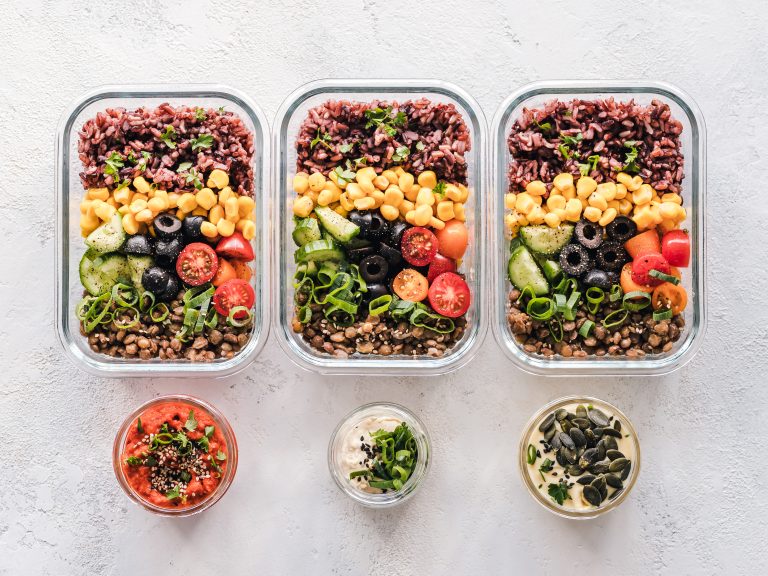
Plant-based eating generally has a much smaller environmental footprint than diets high in meat, and what you eat matters far more than how far it travelled. Research summarised by Our World in Data shows that transport is usually a small share of a food’s emissions, that beef and lamb have the largest footprints per gram of protein, and that even the lowest-impact meat is higher than typical plant proteins such as peas, beans and tofu. The main exception to “food miles barely matter” is produce flown by air.
Those findings cut against several popular beliefs. Here is what the evidence says about each.
Key takeaways
- Food systems produce around a quarter of global greenhouse gas emissions.
- What you eat matters more than where it comes from; transport is usually under 10 per cent of a food’s footprint.
- Plant proteins such as peas, beans and tofu have far lower footprints than beef and lamb.
- Air-freighted food is the exception where distance makes a large difference.
- Eating less meat is nearly always better than choosing the lowest-impact meat.
Myth: food is a small part of the climate problem
Fact: Our World in Data’s overview of the environmental impacts of food reports that food systems produce about 26 per cent of global greenhouse gas emissions, with some studies putting it as high as a third. Around half of the world’s habitable land is used for agriculture, and agriculture accounts for about 70 per cent of global freshwater withdrawals.
The same page notes that around three-quarters of agricultural land is used for livestock, through pasture and feed crops, yet livestock supplies only about 18 per cent of global calories and 37 per cent of global protein. That imbalance is the core reason plant-based eating comes up so often in discussions of land and climate.
Myth: eating local is the best thing you can do
Fact: Our World in Data’s analysis of food choice versus eating local, based on a large meta-analysis by Poore and Nemecek published in Science in 2018, finds that transport accounts for less than 10 per cent of emissions for most food products, and only about 0.5 per cent for beef from beef herds. For most foods, land use change and farm-stage processes make up more than 80 per cent of the footprint. Its conclusion is direct: what you eat is far more important than where your food travelled from.
Local food can have other benefits, such as freshness or supporting nearby growers. On emissions alone, though, swapping what is on the plate usually matters more than shortening the supply chain.
Myth: sustainable meat is as green as plant protein
Fact: Our World in Data’s comparison of less meat versus sustainable meat looks at the spread between producers. Even the highest-impact 10 per cent of pea producers emit about 0.8 kg of CO2-equivalent per 100 grams of protein, and the highest-impact nut and tofu producers about 2.4 and 3.5 kg respectively. That is several times less than the lowest-impact lamb (12 kg) and beef (9 kg). The article concludes that eating less meat is nearly always better than eating the most sustainable meat.

| Protein source | Typical emissions per 100 g of protein (kg CO2-eq) |
|---|---|
| Beef (beef herd) | About 25 |
| Lamb | About 20 |
| Pork | About 6.5 |
| Chicken | About 4.3 |
| Eggs | About 3.8 |
| Tofu | About 1.6 |
| Beans | About 0.65 |
| Peas | About 0.4 |
Figures are the averages reported by Our World in Data from the Poore and Nemecek dataset; individual producers vary widely.
Myth: imported fruit and nuts cancel out the benefit
Fact: Distance matters most when food travels by air. Our World in Data notes that air freight makes up only about 0.16 per cent of food miles but emits about 50 times more CO2-equivalent than shipping by boat per tonne-kilometre. It also notes that avocados and almonds are mostly shipped by boat, not flown. Highly perishable produce that has to be flown in is a different case, so if you want to reduce your footprint further, that is the category to watch.
Myth: plant-based eating only counts if you go fully vegan
Fact: The research compares foods, not lifestyles, so any shift from high-impact to lower-impact foods reduces a meal’s footprint. Swapping beef for beans or lentils in one meal, choosing a plant-based main when eating out, or making meat a side rather than the centre of the plate all move in the same direction. Our guide to vegan-friendly cuisines is a good place to find dishes where plants are the main event.
If you are cutting back on meat, make sure the meal still works nutritionally. Our explainer on plant-based protein when eating out covers where to find protein on a menu, and our comparison of vegetarian vs vegan vs pescatarian sets out what each approach includes.
Frequently asked questions
Is chicken a lower-impact choice than beef?
According to the Our World in Data figures, chicken averages about 4.3 kg CO2-equivalent per 100 grams of protein against about 25 kg for beef from beef herds. It is lower than beef and lamb, but still higher than tofu, beans and peas.
Does choosing the lowest-impact beef solve the problem?
The Our World in Data analysis shows wide variation between beef producers, but even the lowest-impact beef producers are well above typical plant protein sources.
Are these figures exact for the food on my plate?
No. They are averages and ranges across many farms. Individual products vary, but the broad pattern between food types is consistent.
Make the main course count
You do not need to overhaul your diet to make a difference. Choosing pulses, tofu or vegetables as the centre of a few meals a week does more than buying everything local. For more on eating well with a lighter footprint, browse our Lifestyle section.