Travelling with food allergies is safest when you prepare in three stages: before you book, before you leave and once you arrive. The essentials are carrying your prescribed medicines in your hand luggage with the right paperwork, taking translated allergy cards, planning food for the journey, and knowing how to reach emergency care at your destination. Everything else on this checklist builds on those four.
Work through the list a few weeks before departure, so there is time to fix anything that turns up.
Key takeaways
- Keep prescribed medicines in your hand luggage, in their original pharmacy packaging, with a prescriber’s letter.
- Check that adrenaline devices are in date and that you have the number your clinician advises.
- Take allergy cards in the local language, checked by a fluent speaker.
- Pack safe food for the journey and the first few hours after arrival.
- Note the local emergency number and the nearest hospital before you need them.
Before you book: travelling with food allergies starts early
- Talk to your allergy clinic or GP. Ask whether your plan needs changing for the trip, particularly for long journeys or remote destinations.
- Check the destination’s rules on medicines. The UK travel health service TravelHealthPro, in its factsheet on medicines and travel, advises checking the regulations on importing or transporting medicines to your destination with the relevant embassy or high commission or through government travel advice.
- Buy suitable travel insurance. TravelHealthPro recommends travel health insurance that includes repatriation and covers pre-existing conditions. Declare your allergy.
- Read the transport provider’s allergy policy. Policies vary between airlines, ferries and rail operators. Ask how they handle allergy requests before you pay.
- Think about self-catering. A kitchen of your own, even a small one, gives you a fall-back for every meal. Batch cooking a few safe meals on arrival covers you if local options turn out to be limited.
Medicines and paperwork
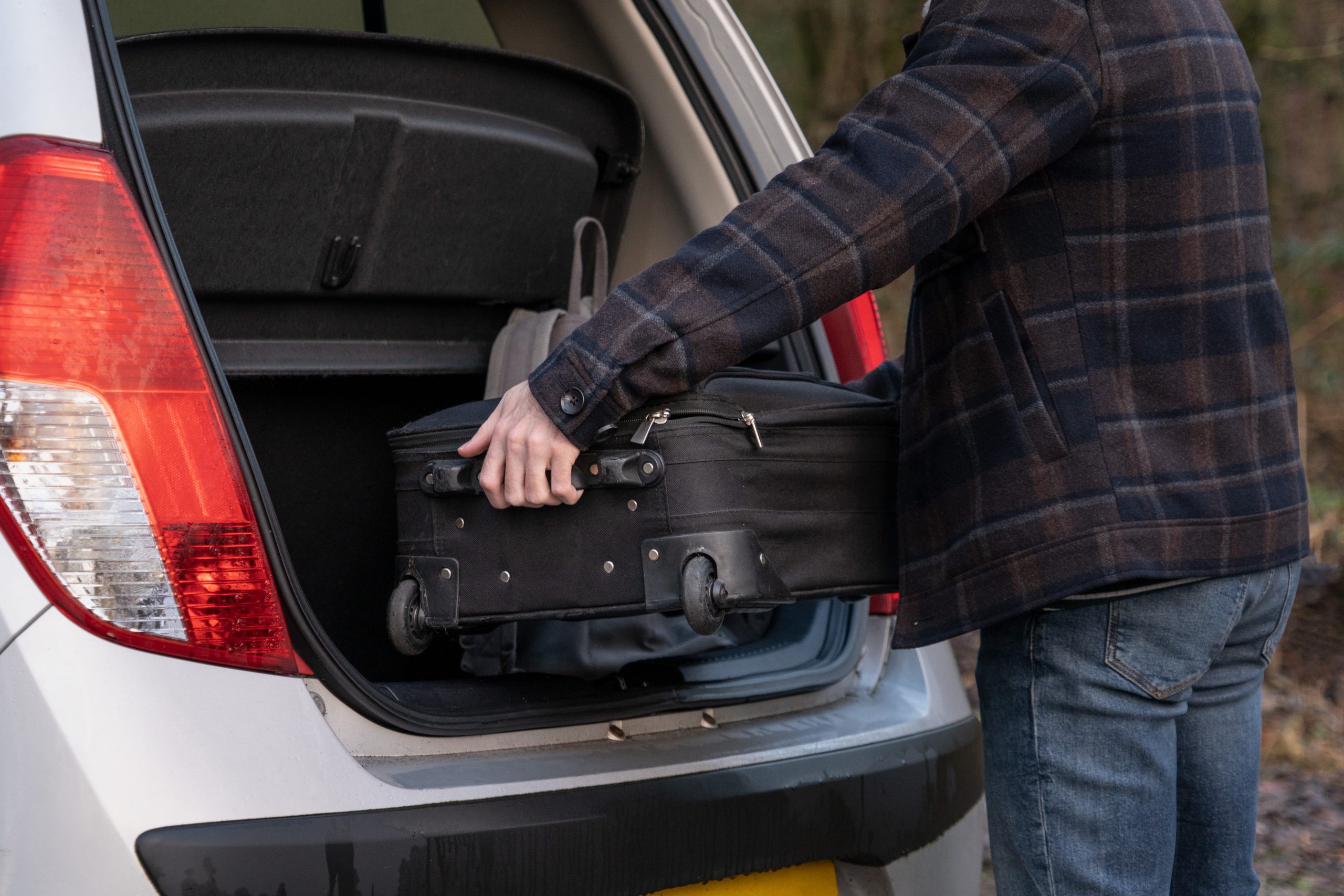
- Pack medicines in your hand luggage. TravelHealthPro advises carrying medication in hand luggage, with some extra in the hold in case hand luggage is lost or stolen. For adrenaline, follow your clinician’s advice and keep it with you at all times.
- Keep everything in its original packaging. The same factsheet says medicines should be correctly labelled and in their original pharmacy packaging.
- Carry a copy of the prescription and a prescriber’s letter. Ask for the letter to list the generic names of your medicines.
- Check expiry dates. Anaphylaxis UK’s guide to travelling with allergies reminds travellers to make sure adrenaline is in date, and notes you may be asked for documentation when flying with your devices; manufacturers provide travel certificates on their websites.
- Plan for heat and cold. Anaphylaxis UK points to the patient information leaflet for storage instructions and mentions bags designed to keep medication at the right temperature.
- Bring your written allergy action plan. Anaphylaxis UK also suggests filling in the medical ID on your phone.
Language and communication
- Make translation cards. Anaphylaxis UK recommends cards that can be read out or shown to staff, listing your allergens and how to ask for allergy information. FARE offers chef cards in several languages and notes that slight differences may exist because of translation nuances and regional dialects.
- Have the translation checked. Ask a fluent speaker, ideally from the region, to read it back to you.
- Learn the local names of your allergens. Write down regional names for dishes and ingredients where your allergen is common.
- Use your usual card at home first. Our step-by-step guide to making an allergy chef card shows the layout that kitchens find easiest to act on.
On the journey
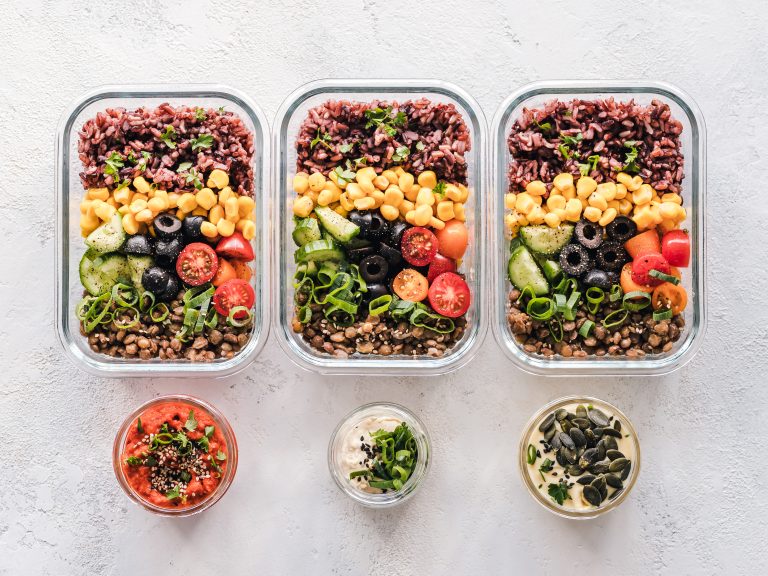
- Pack safe food and snacks. Bring enough to cover delays and the first few hours after arrival, and check any restrictions on carrying food across borders.
- Tell staff about your allergy. Mention it at check-in and again when you board.
- Do not count on an allergen-free journey. Ask what the provider can and cannot do, and plan as though other passengers may be eating your allergen nearby.
- Keep your medicines within reach. Not in an overhead locker several rows away.
At your destination
- Note the emergency number and nearest hospital. Anaphylaxis UK suggests an emergency contact list that includes how to contact emergency services and the nearest hospital to where you are staying.
- Locate a pharmacy. Find one near your accommodation on the first day.
- Scout restaurants in daylight. Visit or call during quiet hours to ask questions before you are hungry.
- Keep checking every meal. Recipes and ingredients vary by region, even for dishes you know well.
The same principles apply to every allergen. For specifics, see our walkthrough on dining out with a nut allergy and our myth-busting guide to shellfish allergy.
A quick-reference summary
| Stage | Top three checks |
|---|---|
| Before booking | Medicine rules at destination, insurance, transport allergy policy |
| Before leaving | In-date medicines, prescriber’s letter, translated cards |
| Journey | Safe snacks, tell staff, medicines within reach |
| Arrival | Emergency number, nearest hospital, nearby pharmacy |
Frequently asked questions
Can I take my adrenaline auto-injector on a plane?
Carrying prescribed medicines in hand luggage is standard advice, and Anaphylaxis UK notes that manufacturers offer travel certificates for auto-injectors. Check your airline’s and airport’s rules before you fly, and carry your prescriber’s letter.
Should I carry extra medicine?
TravelHealthPro suggests packing enough for the whole trip plus delays, with some extra in the hold. Ask your clinician how many adrenaline devices you should carry, especially if you are travelling somewhere remote.
Are translation apps good enough?
They can help with menus, but a checked, printed card is more reliable for the allergy message itself, because staff can read it without your phone and keep it for the kitchen.
Tick the list, then enjoy the trip
Most of this checklist takes an evening or two, and much of it carries over from one trip to the next. Save a copy, update it each time and keep your medicines close. For more ideas on living well with dietary needs, browse our Lifestyle section.