Hosting guests with different dietary needs works best when you ask precise questions early, build one menu around dishes that suit most people, keep allergens out of the shared food, prepare the strictest dishes first, and label everything on the table. You do not need a separate meal for each guest. A flexible base with toppings and sauces served on the side covers most combinations.
To show how that plays out, here is a walkthrough of one imagined dinner, with the decisions a host faces at each stage.
Key takeaways
- Ask guests specific questions: allergy or preference, how strict, and what exactly to avoid.
- Plan a shared menu that is naturally free from the main allergens, then add extras on the side.
- Cook the strictest dishes first with clean equipment, and keep them covered.
- Label dishes on the table and serve allergy guests first.
- If you cannot make something safe, it is fine to say so and agree a plan with the guest.
Step one: the invitation and the questions
Say you are hosting eight people for a Saturday dinner. When the replies come in, you learn that one guest is vegan, one has coeliac disease and one has a severe tree nut allergy. Another mentions they do not eat pork.
The first job is to turn those labels into specific information. Ask each guest:
- Is this an allergy, a medical condition, a religious requirement or a preference?
- What exactly do you avoid, including hidden forms?
- How strict do you need me to be about cross-contamination?
- Is there anything you would like me to avoid serving at the table altogether?
Guests with allergies will usually be glad you asked. The answers might tell you that the guest with a nut allergy is fine with peanuts but must avoid all tree nuts, or that the guest who does not eat pork also needs to know about gelatine and stock. For vegans, the Vegan Society’s definition of veganism is a useful reminder that the diet excludes all products derived wholly or partly from animals, so honey, butter, cream and egg-based sauces are out.
Step two: plan one flexible menu
The goal is a main menu that most guests can eat without changes. In this example, a sensible plan might be:
- Starter: a vegetable soup made with a homemade or checked vegetable stock, with bread served separately and gluten-free bread for one guest.
- Main: a large chickpea and vegetable stew with rice. Naturally vegan, made without gluten-containing ingredients and without nuts.
- On the side: grilled chicken for those who want it, a bowl of grated cheese, and a yoghurt sauce, each in its own dish with its own spoon.
- Dessert: fruit with a dairy-free sorbet, plus cream on the side.
Notice what is missing: no nuts anywhere, no pork, and no gluten in the shared dishes. It is easier to leave a high-risk ingredient out entirely than to try to keep it away from one plate. If you want to see how vegan, vegetarian and pescatarian guests differ, our comparison of vegetarian vs vegan vs pescatarian is a quick reference.
Step three: shop and prepare carefully
Read every label, including stock cubes, spice blends and ready-made sauces, because recipes change. On the day, start with a clean kitchen. The Food Standards Agency’s advice for consumers with food allergies recommends cleaning surfaces and equipment thoroughly and washing hands and cloths before preparing food.
For the coeliac guest, Coeliac UK’s guidance on cross contamination at home says normal washing up removes gluten, and that the main risks are crumbs and shared oil: use clean spreads, a separate board for bread, and toaster bags or a separate toaster if you are toasting gluten-free bread.
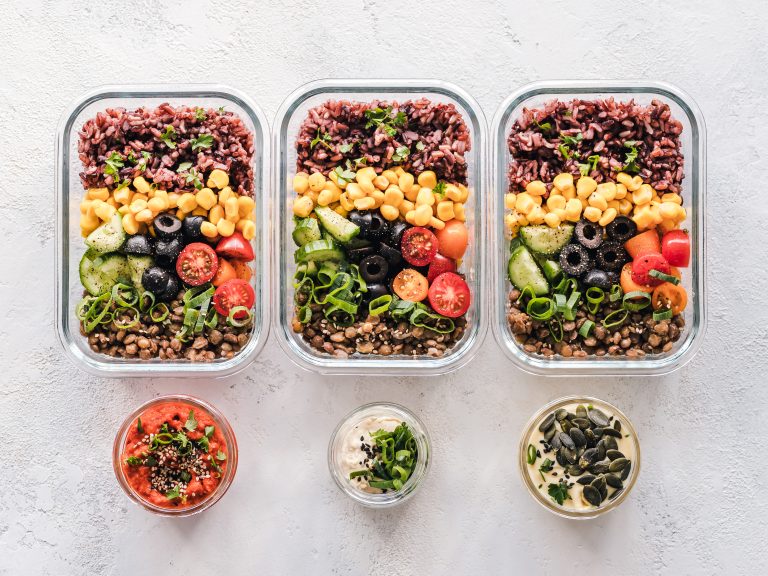
Cook in order of strictness: the gluten-free and nut-free dishes first, covered and moved aside, then anything else. Our guide to meal prep for special diets explains the same strictest-first approach for batch cooking.
Step four: serve with labels
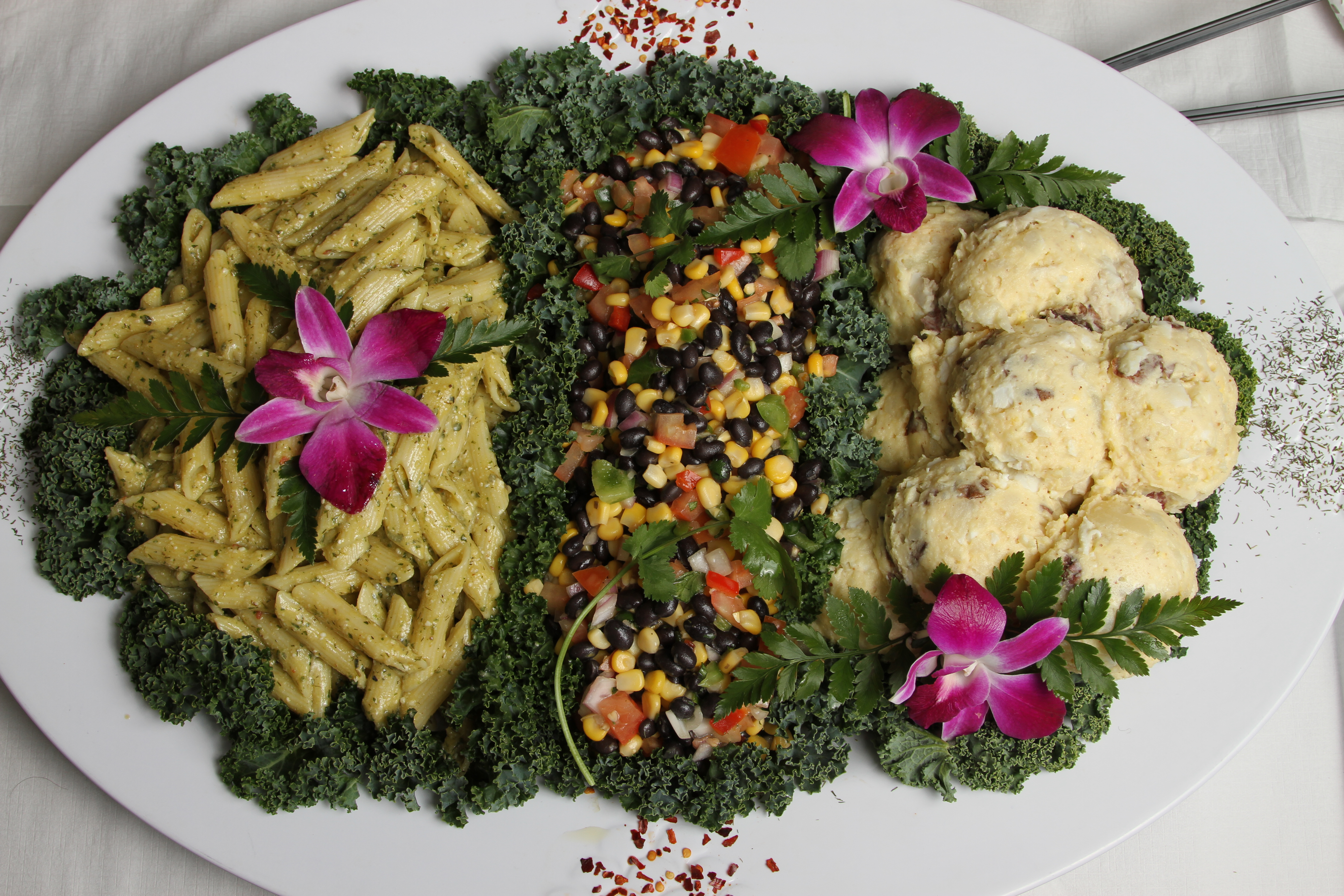
Small cards make a big difference. Write the name of each dish and what it is free from: “Chickpea stew: vegan, no gluten, no nuts”. Put serving spoons in every dish and keep the side dishes well apart from the main pot, so nobody dips the cheese spoon into the stew.
Serve the guests with allergies or coeliac disease first, before the shared dishes have been passed around. Keep the gluten-free bread on its own plate, away from the bread basket.
| Guest need | What they eat from the menu | What to keep apart |
|---|---|---|
| Vegan | Soup, stew, rice, sorbet, fruit | Cheese, yoghurt sauce, cream, chicken |
| Coeliac disease | Soup, stew, rice, chicken, dessert | Regular bread and its crumbs |
| Tree nut allergy | Everything, as no nuts are used | Any nut-containing gift or snack brought by others |
| No pork | Everything, as no pork is used | Check stock and gelatine in any bought items |
When different dietary needs are too complex to cover
Sometimes the honest answer is that you cannot make food safe for someone, for example with multiple severe allergies. Say so early and kindly, and agree a plan together. Many people with serious allergies would rather bring their own meal than take a risk, and will not be offended by the question.
Frequently asked questions
Should I cook a separate meal for each guest?
Usually not. A shared base that avoids the most serious allergens, with extras on the side, feeds more people with less risk and less work.
What if a guest brings food that contains an allergen?
Thank them, keep it in the kitchen or on a separate table, and label it clearly. Make sure it is not served with shared spoons.
Do I need to tell other guests about someone’s allergy?
Only if the guest is happy for you to, but a general note such as “the stew is nut-free, please keep nuts away from it” helps everyone without singling anyone out.
A calmer table for everyone
Ask early, plan one flexible menu, cook carefully and label clearly. Guests with different dietary needs remember hosts who took the trouble, and the rest of the table rarely notices anything except a good meal. For more ideas, browse our Lifestyle section.