Orthodox fasting usually means avoiding meat and dairy, and on stricter days also fish, olive oil and wine, during set periods of the church year. The Nativity Fast, observed by many Orthodox and Eastern Catholic Christians in the weeks before Christmas, is described by church guides as running from 15 November to Christmas Eve. Eating out during a fast is very manageable once you know what to look for: vegetable and pulse dishes, shellfish on many days, and dishes cooked without butter or cream. Because rules vary between churches, parishes and individuals, always follow the guidance of your own priest. This walkthrough follows one person through a typical week to show how it works.
Key takeaways
- Fasting rules commonly exclude meat and dairy, and on some days fish, olive oil and wine.
- Rules differ between churches and traditions, so check your own parish calendar.
- Vegan dishes are often a good starting point, but check for olive oil on strict days.
- Shellfish is permitted on many fast days in several traditions.
What orthodox fasting usually involves
Britannica’s entry on fasting notes that Eastern Orthodoxy observes a 40-day fast during Lent and fasting during Advent, the penitential period before Christmas. For the Nativity Fast, a Byzantine Catholic parish’s guide to the Nativity Fast describes the period from 15 November to 24 December. It sets out days when meat and dairy are avoided but fish, olive oil and wine are allowed, and later days when fish, olive oil and wine are also avoided while shellfish, vegetables and fruit remain allowed. The same guide notes that people with health or work limits may adapt the fast with their spiritual adviser.
Other churches and parishes publish different day-by-day schedules, especially for fish and oil. Treat any general guide, including this one, as a starting point.
| Food | Often avoided on fast days | Often allowed on fast days |
|---|---|---|
| Meat and poultry | Yes | |
| Milk, cheese, butter, eggs | Yes | |
| Fish with backbones | On stricter days | On some days, by tradition |
| Shellfish and molluscs | Often yes | |
| Olive oil and wine | On stricter days | On some days, by tradition |
| Vegetables, pulses, grains, fruit | Yes |
A week of eating out: the walkthrough
Imagine someone keeping the Nativity Fast who eats out three times in the first week.
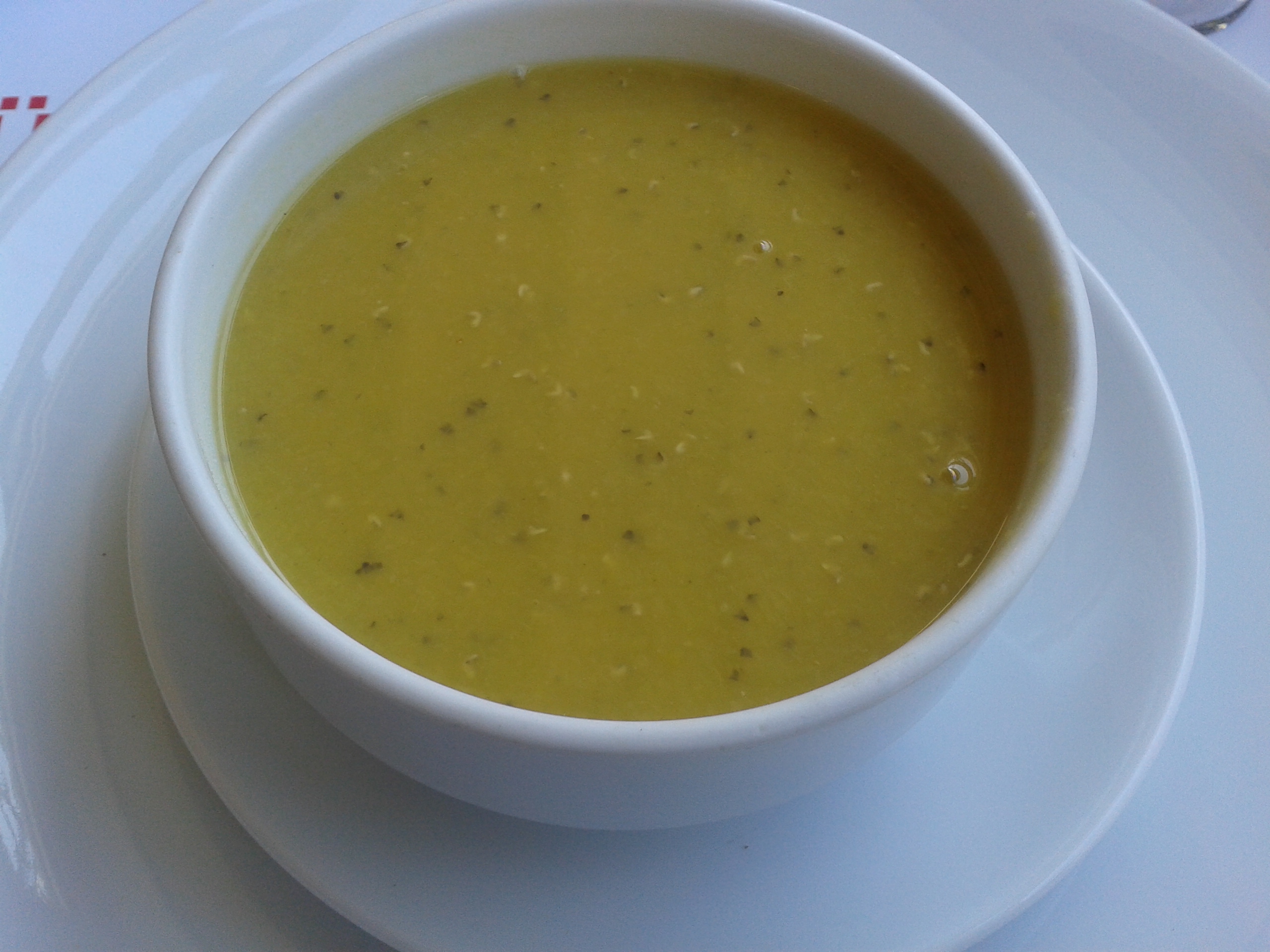
Monday lunch at a café. The menu has a lentil soup, a vegetable wrap and a cheese toastie. The soup is the obvious choice, but she asks whether it is made with butter, cream or meat stock. It is made with vegetable stock and olive oil, which suits a day when oil is allowed in her parish’s calendar.
Wednesday dinner with colleagues. It is a stricter day for her, with no oil or wine. She looks for dishes that are steamed, boiled or grilled without oil: rice, plain vegetables, a bean dish cooked in water. She explains to the server that she is fasting and asks the kitchen to leave out butter and oil where possible. Our guide to hidden animal ingredients on menus helps her spot things like butter, stock and egg glazes.
Saturday family meal. On this day her tradition allows fish, oil and wine. The family chooses a Mediterranean restaurant, and she orders grilled fish with salad and roasted vegetables. Shellfish would also work if fish were not allowed.
Cuisines that make fasting easier
Many cuisines have strong dishes without meat or dairy. Greek, Middle Eastern, Ethiopian and Indian menus often include bean, lentil and vegetable dishes. Our guide to vegan-friendly cuisines lists options worth trying. Vegan dishes are a helpful shortcut, but they may contain olive oil, so on strict days ask how they are cooked.
Dishes that often fit
On many menus, the following are good places to start, though you should still check how each is cooked:
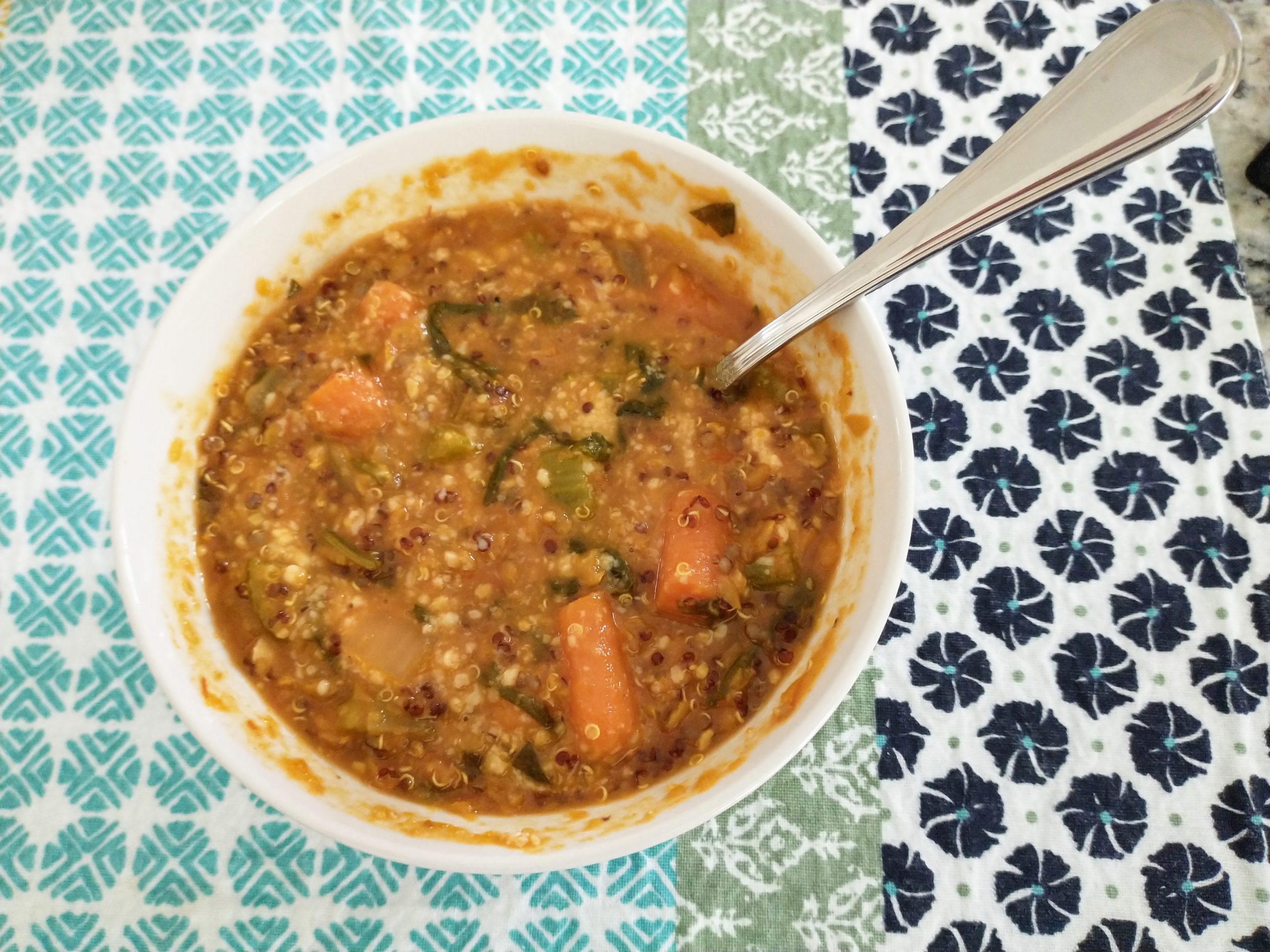
- Bean and lentil soups and stews, often made with vegetables and olive oil rather than meat.
- Vegetable dishes cooked in tomato and oil, common in Greek and Middle Eastern restaurants.
- Rice and grain dishes such as pilafs, if they are made with vegetable stock.
- Squid, octopus, prawns and mussels, on days when your tradition allows shellfish.
- Salads and grilled vegetables, asking for dressings without dairy or honey if you avoid them.
- Fruit-based desserts or sorbets, checking that they contain no milk or eggs.
Talking to staff
You do not need to explain the theology. Saying “I’m not eating meat, dairy or eggs today, and I’m avoiding oil if possible” is clear and specific. If you have allergies as well, mention them separately, as our advice on telling a restaurant about your food allergy explains.
Frequently asked questions
Is orthodox fasting the same as being vegan?
They overlap, but not exactly. Many fast days exclude all animal products like a vegan diet, yet shellfish is often allowed, and some days also exclude olive oil and wine.
Do children and older people keep the full fast?
Practice varies, and many churches allow adjustments for children, older people, pregnancy, illness and work. Ask your priest.
When does the Nativity Fast end?
The guide cited above describes it as running until 24 December, ending with the feast of the Nativity. Dates can differ between churches, so check your parish calendar.
Planning your fasting meals out
Check your parish calendar for the day’s rules, start with vegetable and pulse dishes, ask about butter, oil and stock, and use shellfish or fish where your tradition allows. Clear, simple requests make it easy for staff to help. For more on eating out with faith-based diets, see our halal and kosher guides.