Lactose intolerance is a digestive problem, not an allergy: the body cannot fully break down lactose, the natural sugar in milk, which can cause bloating, wind, tummy pain and diarrhoea. Many people with it can still manage some dairy, particularly yoghurt and hard cheeses, which are lower in lactose. When eating out, the most useful steps are to know your own threshold, ask about milk in sauces and baked goods, and choose lactose-free or lower-lactose options where they are offered.
A lot of what people believe about lactose comes from confusion with milk allergy. Here are the common myths, with what health guidance actually says.
Key takeaways
- Lactose intolerance is a digestive condition; milk allergy is an immune reaction and is managed differently.
- Many people with lactose intolerance tolerate some lactose, especially with food.
- Yoghurt and hard cheeses are lower in lactose than milk.
- Lactose turns up in breads, sauces, dressings, processed meats and desserts.
- Talk to a GP or dietitian before cutting dairy out entirely.
Myth: lactose intolerance is a type of dairy allergy
Fact: The NHS page on lactose intolerance is clear that a food intolerance is different from a food allergy. Allergies can cause breathing difficulties and swelling and can be life-threatening; lactose intolerance causes digestive symptoms. The US National Institute of Diabetes and Digestive and Kidney Diseases (NIDDK) makes the same distinction in its definition and facts, describing milk allergy as an immune system disorder.
This matters when you order. If you have lactose intolerance, say “I’m lactose intolerant” rather than “I’m allergic to dairy”. A kitchen may treat an allergy with full cross-contamination controls, which you may not need, and mixing up the two could make it harder for people with real milk allergies to be taken seriously. If you do have a milk allergy, say so clearly; our comparison of major food allergens covers how milk is labelled in different countries.
Myth: if you are lactose intolerant, you must avoid all dairy
Fact: NIDDK notes that most people with lactose intolerance can still have some lactose, and that research suggests many people could have 12 grams of lactose, about one cup of milk, with no symptoms or only mild ones. The NHS says symptoms can often be prevented by eating smaller portions of lactose-containing foods, and advises against cutting foods out without advice from a GP or dietitian.
So the question is not “dairy or no dairy” but “how much, and in what form”.
Myth: all dairy foods contain the same amount of lactose
Fact: NIDDK’s guidance on eating, diet and nutrition for lactose intolerance says yoghurt and hard cheeses, such as cheddar or Swiss, are lower in lactose than other milk products. It also suggests that drinking small amounts of milk with meals, or adding dairy gradually, may help.
| Dairy on the menu | Lactose level, per NIDDK guidance | Ordering tip |
|---|---|---|
| Milk, cream-based sauces, milkshakes | Higher | Ask for a non-dairy or lactose-free alternative if offered |
| Yoghurt and yoghurt dressings | Lower | Often manageable in small portions |
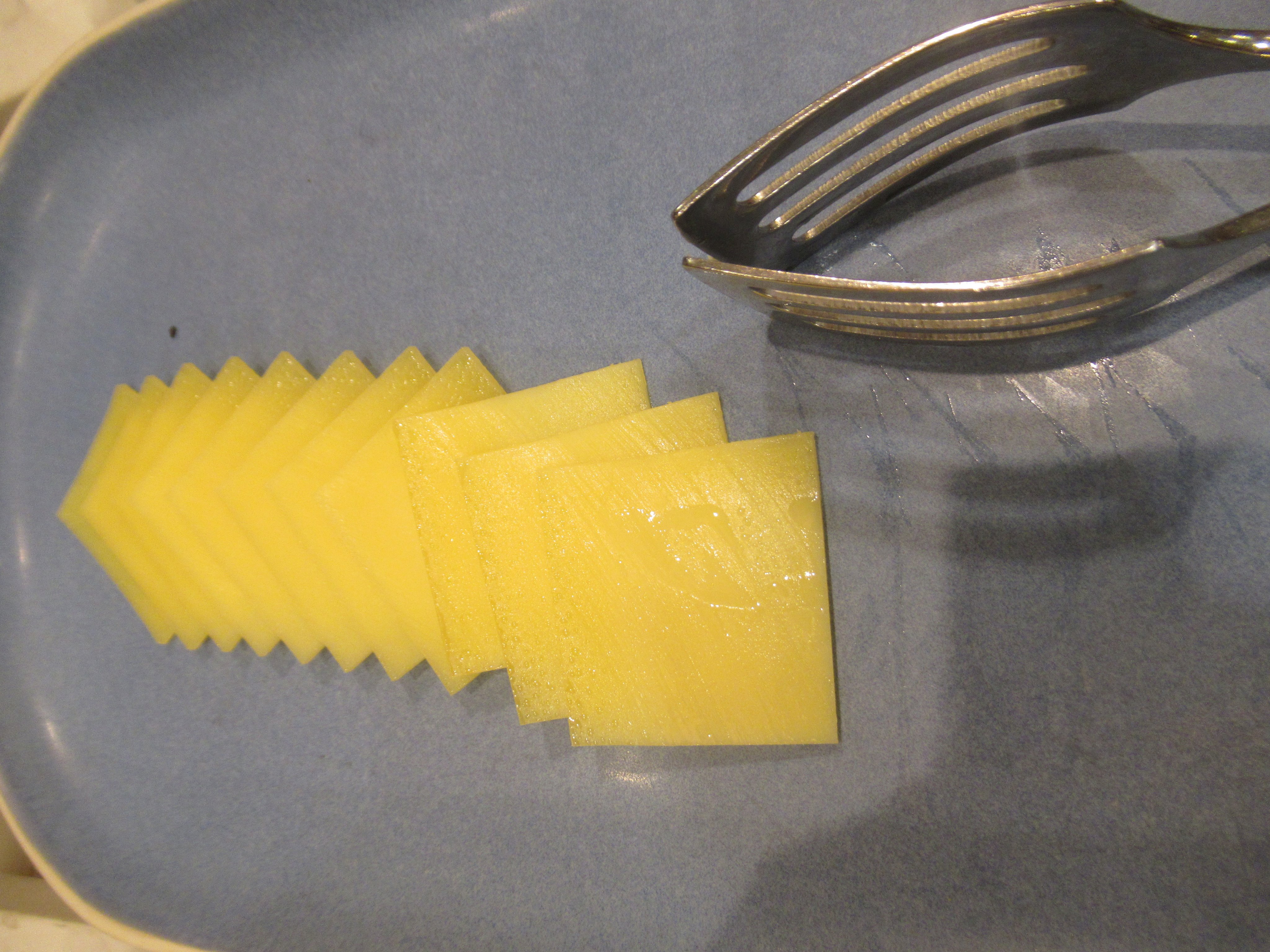
| Hard cheeses such as cheddar or Swiss | Lower | Often a better choice than soft, fresh cheeses |
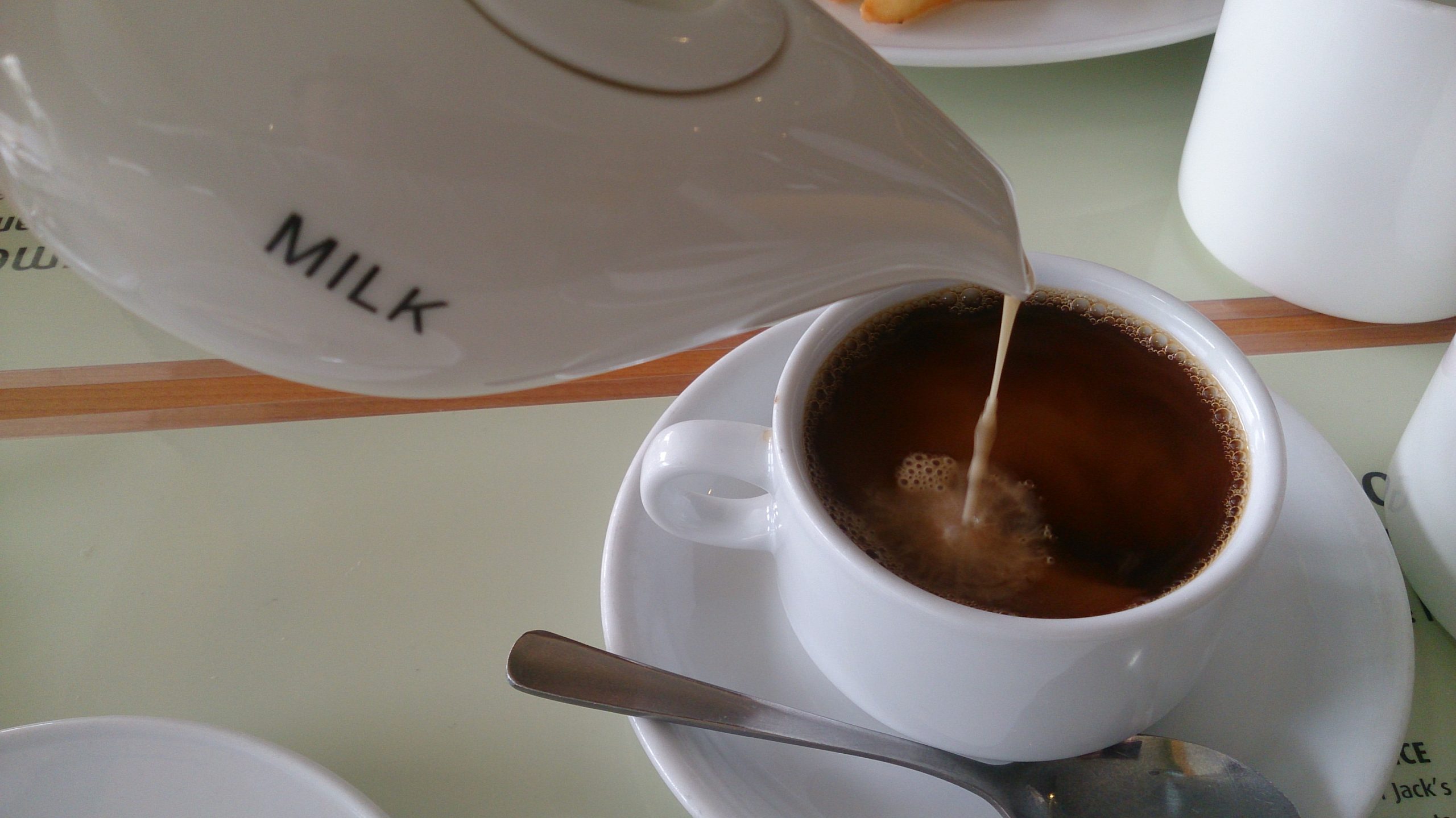
| Lactose-free milk | Reduced or none | Ask whether the café stocks it for coffee |
Myth: lactose only hides in obvious dairy dishes
Fact: NIDDK lists a long range of foods that can contain lactose: breads and baked goods such as pancakes, cookies and cakes; processed foods such as cereals, instant potatoes, soups, margarine, salad dressings and flavoured crisps; processed meats such as bacon, sausage and sliced meats; and protein bars, smoothies, non-dairy creamers and non-dairy whipped toppings. It also lists label terms that signal lactose, including milk, lactose, whey, curds, milk by-products, dry milk solids and non-fat dry milk powder.
When eating out, the useful questions are:
- Is there milk, butter or cream in the sauce, soup or mashed potato?
- Is the bread or batter made with milk?
- Is the dressing yoghurt- or cream-based?
- Does the dessert contain cream, custard or milk chocolate?
Our checklist of hidden animal ingredients on restaurant menus covers butter and milk powder in more detail, since vegans watch for the same things.
Myth: lactose intolerance only affects a small number of people
Fact: NIDDK says experts estimate that about 68 per cent of the world’s population has lactose malabsorption, and about 36 per cent of people in the United States. Not everyone with malabsorption has symptoms, which is why only those with symptoms are described as lactose intolerant. NIDDK adds that malabsorption is more common in people whose families come from regions such as most of Africa and Asia, and least common among people of European descent.
Frequently asked questions
Can lactase tablets help when eating out?
The NHS says a lactase supplement may reduce or prevent symptoms for some people if taken before eating or drinking lactose. Ask a pharmacist or your GP whether it suits you.
Is lactose-free milk as nutritious as regular milk?
NIDDK says lactose-free and lactose-reduced milk products are as nutritious as regular milk, so they are a good swap where cafés offer them.
How do I get enough calcium if I limit dairy?
NIDDK lists non-dairy sources including canned salmon or sardines with soft bones, broccoli, leafy greens, dried beans and tofu, plus some foods and soya drinks with added calcium. A dietitian can help you plan if you cut back significantly.
Know your threshold, then order with confidence
Find out how much lactose you can comfortably manage, favour hard cheese and yoghurt over milk and cream, and ask about sauces and baked goods. For more guides on eating out with health needs, browse our low-carb and health section.