When you are pregnant, the foods to avoid are mainly those that may carry listeria, salmonella or toxoplasma, plus a few that contain too much vitamin A or mercury. On a restaurant menu that means checking soft and blue cheeses, pâté, raw or undercooked meat and fish, cured meats, liver and game, and keeping caffeine under 200mg a day. Alcohol is best avoided altogether. This guide turns the NHS list into a menu-by-menu checklist.
Key facts
- Avoid: raw fish and shellfish, liver, game (such as pheasant and venison), shark, swordfish and marlin, and unpasteurised milk products.
- Cook until steaming hot: brie, camembert and soft blue cheeses, cold cured meats, smoked salmon and cold cooked prawns.
- Eggs: British Lion or Laid in Britain hen eggs are fine runny; other eggs should be well cooked.
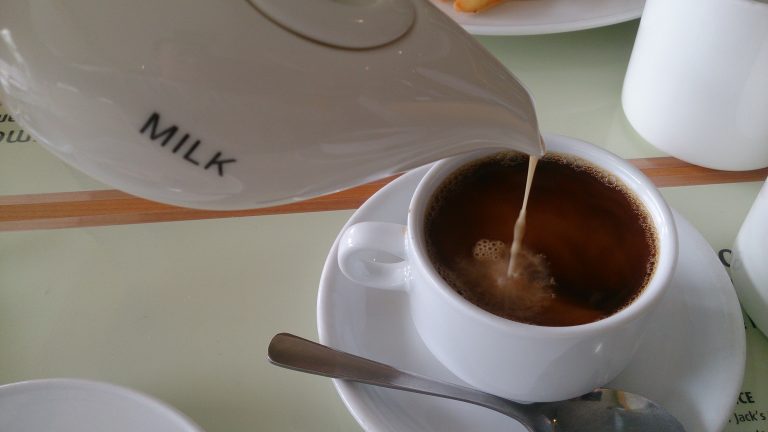
- Caffeine: no more than 200mg a day; an instant coffee is about 100mg and a cup of tea about 75mg.
- Alcohol: the NHS says it is safest not to drink at all.
This is general information based on NHS guidance. Your midwife or GP can give you advice for your own situation.
Which cheeses can you eat in a restaurant when pregnant?
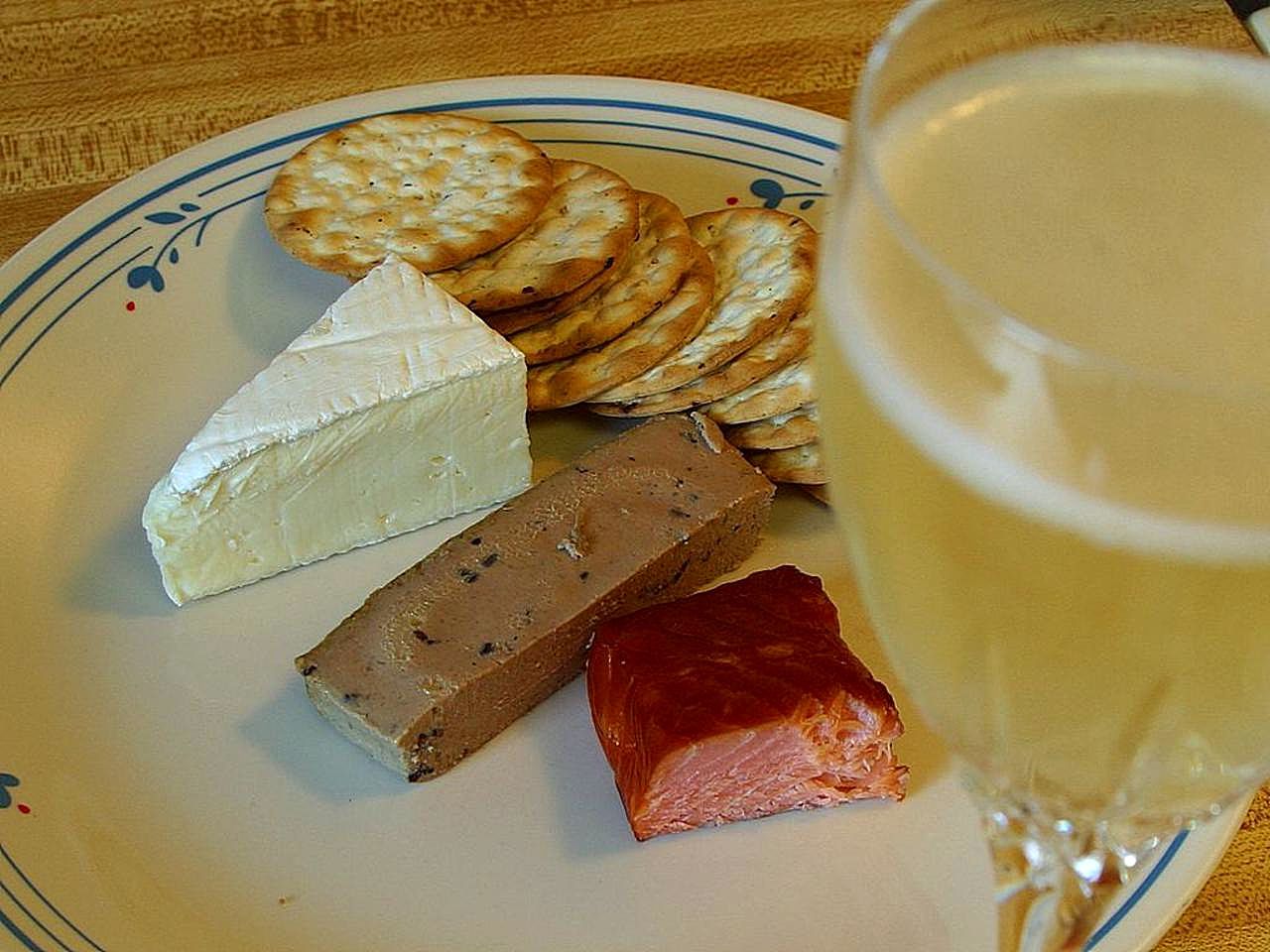
According to the NHS list of foods to avoid in pregnancy, hard cheeses such as cheddar, parmesan and gruyère are fine, as are pasteurised soft cheeses such as mozzarella, feta, halloumi, cream cheese and cottage cheese. Goats’ cheese is fine if it has no white rind. The ones to be careful with are mould-ripened cheeses with a white coating (brie, camembert, chèvre) and soft blue cheeses (gorgonzola, roquefort, Danish blue): eat them only if they are cooked until steaming hot. So a baked camembert served bubbling is fine; a cheeseboard wedge is not.
What should you check on the starters and sharing boards?
| Menu item | NHS advice | What to ask |
|---|---|---|
| Pâté (meat or vegetable) | Be careful; liver pâté should be avoided because of vitamin A | “Is it liver pâté?” |
| Charcuterie (salami, chorizo, prosciutto) | Cook until steaming hot | Choose it cooked on a pizza instead of cold |
| Smoked salmon, cold prawns | Cook until steaming hot | Ask for a cooked salmon or hot prawn dish |
| Oysters, sushi with raw fish, ceviche | Avoid | Cooked sushi (cooked prawn, eel, vegetable) is fine |
| Caesar salad, aioli, fresh mayonnaise | Fine only with British Lion or Laid in Britain eggs | “Are the eggs British Lion?” |
What about meat and fish main courses?
Chicken, pork, turkey and duck should be cooked thoroughly with no pink or blood, and burgers and sausages cooked all the way through. Whole cuts of beef and lamb, such as a steak, are fine as long as they are cooked on the outside, so a steak seared on the outside is acceptable under NHS advice even if it is pink inside, but rolled joints must be cooked all the way through. Avoid liver and game meats such as goose, partridge, pheasant and venison, which matters on winter and Christmas menus.
For fish, cooked fish and cooked shellfish are fine. Keep tuna to no more than two steaks or four tins a week, and oily fish such as salmon and mackerel to two portions a week. Shark, swordfish and marlin should be avoided entirely; see the NHS fish guidance and our guide to eating out as a pescatarian for fish dishes that fit.
Which desserts and drinks need a second look?
- Mousse, tiramisu, homemade ice cream: may contain raw egg; fine with British Lion or Laid in Britain eggs, so ask.
- Ice cream, cream and yoghurt: fine if pasteurised; ask if a dessert is made with unpasteurised milk or cream, and avoid it if so.
- Coffee: the 200mg daily limit includes everything; coffee-shop and filter coffee can contain more than the 100mg of an instant cup. A 50g bar of dark chocolate has under 25mg.
- Cola and energy drinks: about 40mg and 80mg of caffeine a can respectively.
- Herbal teas: no more than four cups a day, and avoid teas containing liquorice root.
- Alcohol: the safest approach is not to drink; alcohol-free alternatives are widely available.
How do you order without fuss?
- Tell the server you are pregnant; most kitchens are used to adapting dishes, such as cooking a cheese or serving a sauce on the side.
- Ask specific questions (“Is the brie baked?” “Are the eggs British Lion?”) rather than “Is this safe?”
- Choose dishes that are served hot all the way through when you are unsure.
- Avoid buffets and salad bars where food has been standing for a long time.
- If you also have gestational diabetes, our guide to eating out with diabetes may help.
Frequently asked questions
Can I eat steak in a restaurant when pregnant?
Yes. NHS guidance says whole cuts of beef and lamb are safe if cooked on the outside. Burgers, sausages, rolled joints, pork and poultry must be cooked all the way through.
Can I eat sushi when pregnant?
Sushi made with raw fish or raw shellfish should be avoided. Sushi made with cooked fish or shellfish, or vegetables, is fine.
Can I eat halloumi or feta when pregnant?
Yes. Pasteurised soft cheeses such as halloumi, feta, mozzarella and cream cheese are safe according to the NHS.
Is runny egg safe in pregnancy?
Hen eggs with the British Lion mark or Laid in Britain can be eaten runny. Other eggs, including duck, goose and quail eggs, should be well cooked.
How much caffeine can I have in a day when pregnant?
The NHS limit is 200mg a day. That is roughly two mugs of instant coffee, or less coffee-shop coffee, with tea, cola and chocolate counted too.
The short version
Pregnancy does not mean giving up eating out. Steer clear of raw fish, liver, game and unpasteurised products, ask for soft cheeses and cured or smoked foods to be cooked hot, and keep track of caffeine. For more on health-led eating out, see our Low-Carb & Health section.