Festival food can work for almost any dietary need if you plan for three things: what the stalls will offer, what you will ask them, and what you will bring as a backup. Food stalls are food businesses, so in the UK they must be able to tell you about allergens just as a restaurant would. The challenge is the setting: busy queues, small trailers and shared equipment. A little preparation before you leave home makes the difference between a good weekend and a hungry one.
Key takeaways
- Festival stalls must provide allergen information, the same as restaurants and takeaways.
- Check the festival’s own rules on bringing food before you pack.
- Pack safe, non-perishable backups, especially if you have coeliac disease or a serious allergy.
- Chilled food should not be out of the fridge for long, so plan around what will keep without one.
Step 1: research the festival food before you go
Many festivals publish a list of traders or a map of food areas in advance, and some mark vegan, vegetarian and gluten-free options. Look through it and note two or three stalls that look promising. It is also worth reading the festival’s own rules on what you can bring in, because policies on food, glass and cooking equipment vary from one event to another.
If you have a serious allergy, consider contacting the organisers beforehand to ask whether any traders cater specifically for your needs.
Step 2: ask stalls the right questions
The UK government’s food allergy and intolerance advice for consumers applies to any food business, not only sit-down restaurants. When you order a takeaway, the business must provide allergen information on the 14 regulated allergens, either in writing or verbally with a sign telling you where to find it.
Food trailers are small, so cross-contact is a real risk. Ask:
- Does this dish contain my allergen, or gluten?
- Is anything cooked on the same griddle or in the same oil?
- Are the same tongs or gloves used for everything?
- Is the bread or wrap toasted alongside other products?
Quieter times, such as mid-morning or mid-afternoon, give traders more time to check properly. The government advice is clear that if you have any doubt about staff understanding your needs, you should not eat there. At a festival, there is usually another stall a short walk away.
Our guide to telling restaurant staff about a food allergy includes a short script that works just as well at a stall counter.
Step 3: pack sensible backups
Even with good research, festival food can be unpredictable: a trader sells out, or a stall you were counting on is not there. Packing some safe food means you never have to choose between hunger and risk.
Good festival backups are foods that keep without a fridge:
- sealed oatcakes, crackers or rice cakes that suit your diet
- nuts and seeds, if you are not avoiding them
- dried fruit and whole fresh fruit
- nut or seed butters in sealed pots
- tinned beans or fish with ring pulls
- cereal bars that you know are safe for you
If you are coeliac or have a serious allergy, bring enough for at least a couple of meals. Pre-packed sandwiches made on site may help too: the government advice notes that since 1 October 2021, food prepacked for direct sale must carry a full ingredients list.
Step 4: keep food and medicines safe in the heat
A field in summer is not kind to perishable food. The UK government’s guidance on chilling food safely says chilled food should be kept out of the fridge for the shortest time possible, with a maximum of four hours during preparation, and describes temperatures between 8 and 63°C as the danger zone. Without a fridge, it is safer to plan around foods that do not need chilling at all.
Medicines need care too. If you carry an adrenaline auto-injector, keep it with you rather than in a hot tent, and check its storage instructions. The NHS advises using an auto-injector immediately if you have signs of a severe reaction and then calling 999.
Matching festival food to your diet
| Diet | Often easy to find | Ask about |
|---|---|---|
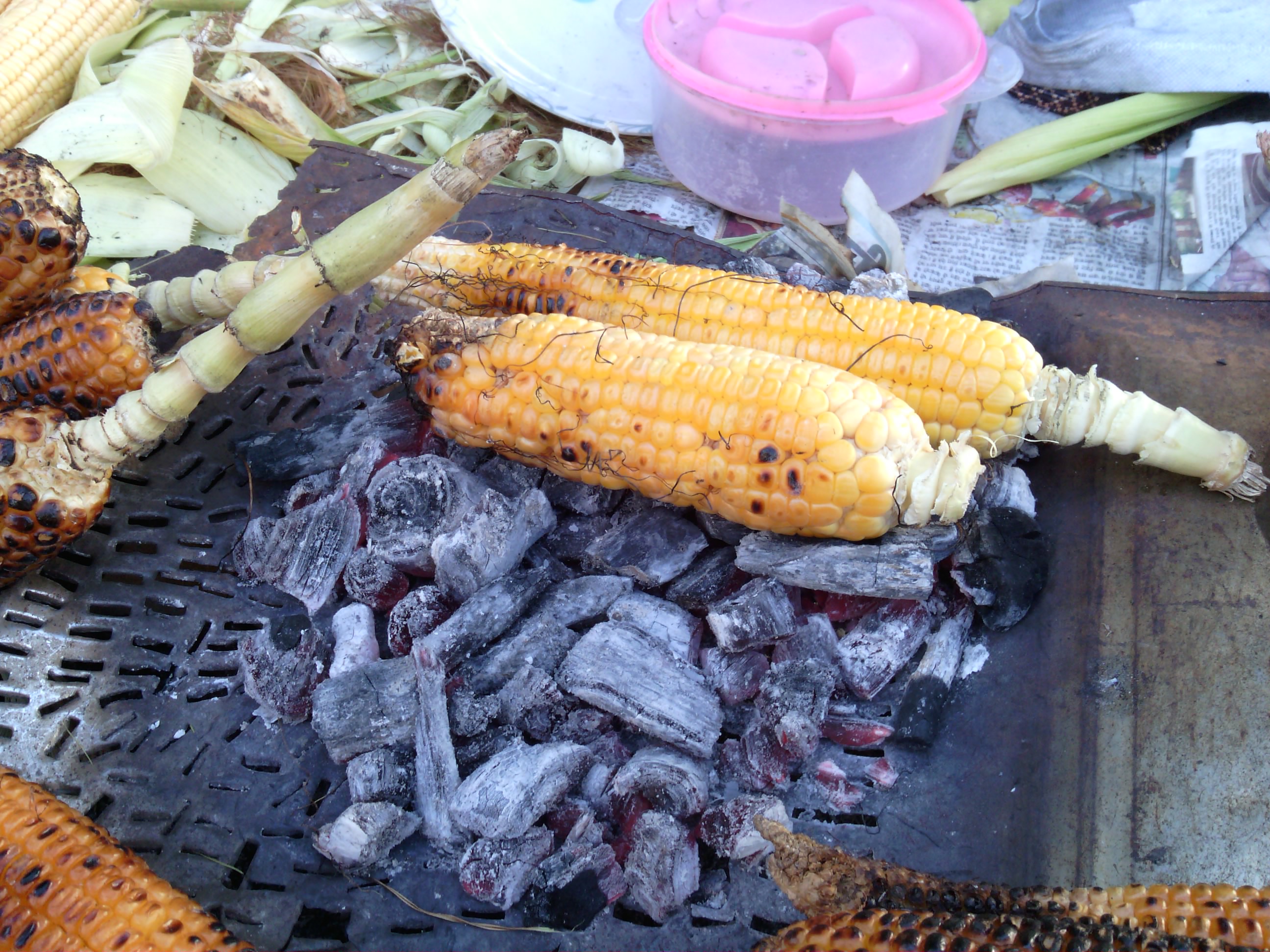
| Vegan | Falafel, curries, veggie burgers, corn on the cob | Butter on corn, egg in burgers, dairy in sauces |
| Vegetarian | Pizza, halloumi, noodle dishes | Rennet in cheese, fish sauce in noodles |
| Gluten-free | Curries with rice, grilled meat, corn | Shared fryers and griddles, wraps toasted together |
| Low-carb | Grilled meat, halloumi, salads | Sugary glazes and sauces |
| Halal | Stalls displaying halal signs | Who certifies the meat |
For vegan options, the questions in our guide to eating vegan at restaurants apply here too. For gluten, our checklist on gluten cross contamination covers the shared-equipment questions.
Frequently asked questions
Can I take my own food into a festival?
It depends on the event. Many festivals publish rules on food, glass and cooking equipment, so check the official information for your festival before you pack.
Are festival traders required to label allergens?
Food businesses must provide allergen information, either in writing or verbally with a sign telling you where to find it. Food prepacked for direct sale must carry a full ingredients list.
What is the safest festival food for coeliac disease?
There is no universally safe dish. Simple foods cooked on a dedicated surface are usually lower risk, but always ask about shared equipment, and carry backups in case nothing feels safe.
Your festival food plan
A week before you go, check the trader list, note likely stalls and read the festival’s rules on bringing food. Pack two days of safe, non-perishable backups and any medicines you need. Then enjoy the music. More ideas for days out are in our Leisure and Games section.