Theme park dining with dietary restrictions works best when you decide before the day which meals you will buy and which you will bring. Check the park’s own food and allergen information online, shortlist the outlets that cook to order and can answer ingredient questions, and pack safe snacks for the gaps. Treat the queue-side kiosks as a bonus rather than the plan.
The difficulty is not usually a lack of food. It is volume: busy counters, rotating staff and menus built for speed, all of which make detailed questions harder to ask.
Key takeaways
- Look up the park’s food outlets and allergen information before you go.
- Sit-down or cook-to-order outlets usually handle questions better than kiosks.
- Pack safe snacks and, if the park allows it, a main meal as a fall-back.
- Keep chilled food cold with ice packs and a shaded cool bag.
- Carry any prescribed allergy medicines and plan for where you will eat if a reaction happens.
What to compare before you choose theme park dining
Think of each food outlet as something you are evaluating, the way you would compare any purchase. The questions below sort the easy options from the risky ones.
- Published allergen information. In the UK, Food Standards Agency advice for consumers says restaurants and cafés must provide allergen information, either on the menu or by prompting you to ask staff. A venue that has it online makes planning easier.
- Cooked to order or held hot. Food made to order can often be adjusted. Food held in warmers since the morning cannot.
- Staff who can check. Ask whether someone can confirm ingredients with the kitchen or a manager. A confident, specific answer is a good sign.
- Separate preparation. For allergies and coeliac disease, ask about shared fryers, grills and toasters, which are common in fast-service kitchens.
- Seating and timing. A table away from the crowds gives you time to check your food before eating.
Comparing the typical food options
Parks vary a great deal, so use this as a general guide to formats rather than a description of any one site.
| Food option | Strengths for special diets | Watch out for |
|---|---|---|
| Table-service restaurant | Time to talk to staff, food made to order | Needs booking on busy days |
| Counter-service hall | Wider choice, often with allergen menus | Shared fryers, rushed staff at peak times |
| Snack kiosks and carts | Quick, convenient | Little ingredient information, high cross-contact risk |
| Pre-packed items in shops | Labelled ingredients | Check the label every time, as recipes change |
| Your own packed food | Full control over ingredients | Must be kept cold and fit the park’s rules |
The strongest plan for most families is a mix: one meal at an outlet you have researched, with packed snacks to cover the queue-heavy middle of the day.
When packing your own food makes sense
If the park permits outside food, bringing your own removes most of the guesswork, especially for severe allergies, coeliac disease or young children with strict diets. Policies differ between parks and sometimes between areas inside them, so check the park’s official website before you set off rather than relying on what was allowed last year.
Keeping packed food safe outdoors is its own job. The Food Standards Agency guidance on keeping food safe on a picnic says any food you would usually keep in the fridge also needs to be kept cool, using a cool box or bag with ice or frozen gel packs spread throughout rather than all at the bottom. It also advises keeping the box shaded and opened as little as possible, and notes that after four hours or more at 8°C and above the risk from bacteria increases, or two hours in extremely hot weather.
Good packing choices for a long day:
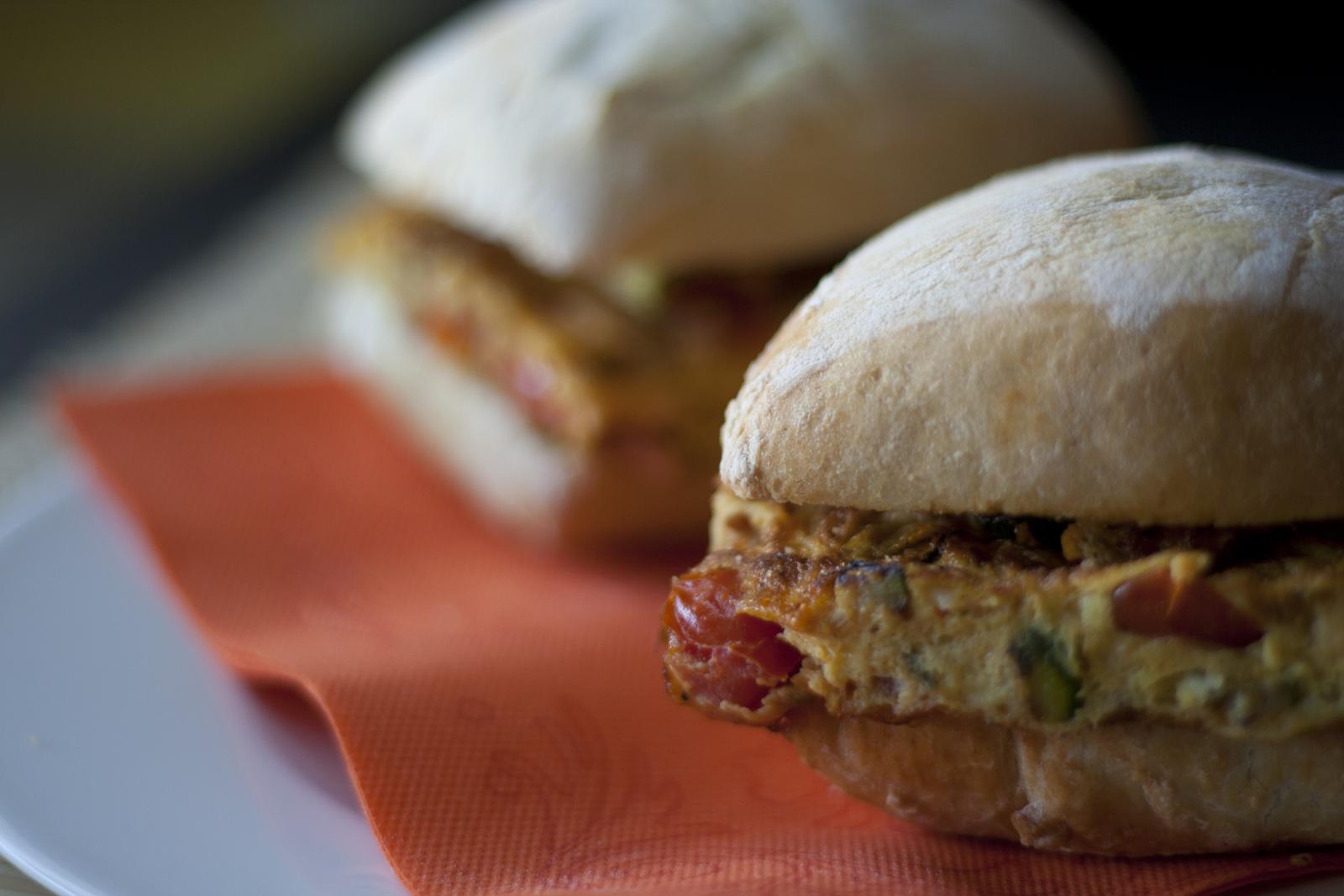
- Sandwiches, wraps or rolls made the night before and kept chilled.
- Whole fruit and vegetable sticks, washed before you pack them.
- Labelled, sealed snacks you have eaten safely before.
- Frozen water bottles, which double as ice packs and thaw into drinking water.
Ordering at a busy counter
When you do buy food, keep your request short and specific. Say what you must avoid and ask one clear question: “Does this contain milk, and is it cooked in the same oil as anything breaded?” A printed card can save shouting over the noise; our guide to making an allergy chef card shows what to include.
The FSA guidance also advises that if you have any doubt about staff understanding your needs, you should not eat there. At a park, that usually means falling back on your packed snacks and trying another outlet later, which is far easier if you planned for it.
Similar crowd-and-counter problems come up at outdoor events, and our tips on festival food with dietary needs cover the same ground for multi-day trips. For shorter outings, see how cinema snacks and allergens compare.
Frequently asked questions
Can theme parks guarantee a meal is allergen-free?
Do not expect a guarantee. Large kitchens handle many ingredients, and cross-contact is always possible. What you can ask for is accurate ingredient information and sensible handling, then decide for yourself.
Is a packed lunch allowed at every park?
No. Some parks allow outside food, some restrict it and some make exceptions for medical or dietary needs. Check the official website or contact the park’s guest services before your visit.
What should I carry for a child with a severe allergy?
Carry the medicines and written allergy plan their clinician has prescribed, and know where the first aid points are on the park map. Follow your clinician’s advice on what to bring for a full day away from home.
Plan one safe meal, then enjoy the rides
Research one outlet you trust, pack enough safe food to cover the rest, and keep it cold. With that settled, the day is about the rides, not the menu. Find more ideas for days out in our Leisure and Games section.