If you need to avoid gluten, ordinary beer, lager, stout and ale are off the list, but gluten-free beer is widely made and many other drinks are naturally safe. Coeliac UK says cider, wine, sherry, spirits, port and liqueurs are gluten free, while beers, lagers, stouts and ales contain varying amounts of gluten. Gluten-free beers must contain 20 parts per million of gluten or less to carry that label. So when you eat out, the main questions are whether the bar stocks a properly labelled gluten-free beer and whether anything has been added to a mixed drink. This guide sets out the criteria to check.
Key takeaways
- Regular beer, lager, stout and ale contain gluten; choose a beer labelled gluten free.
- Gluten-free beer must contain 20 ppm of gluten or less.
- Cider, wine, sherry, spirits, port and liqueurs are gluten free, according to Coeliac UK.
- Check mixers, cocktails and draught lines, and stay within low-risk drinking guidelines.
Criterion 1: Is it a labelled gluten-free beer?
Coeliac UK’s guidance on alcohol and the gluten-free diet explains that beers can only be labelled gluten free if they contain 20 ppm or less of gluten. Some are brewed from naturally gluten-free grains; others are made from barley and have had gluten removed. Coeliac UK notes that gluten-removed beers made from barley must still say “contains barley” on the label. If you are unsure whether a particular gluten-removed beer suits you, check with your dietitian.
At a restaurant, ask to see the bottle or can so you can read the label yourself. Our explainer on gluten-free labelling rules covers what the 20 ppm threshold means in more detail.
Criterion 2: Bottle or draught?
| Format | Advantage | Risk to check |
|---|---|---|
| Sealed bottle or can | You can read the label | None, if it is labelled gluten free |
| Draught gluten-free beer | Fresher, if available | Shared lines or taps with regular beer |
| Cider on draught | Naturally gluten free | Shared equipment or flavourings |
| Wine by the glass | Naturally gluten free | Usually low risk |
| Spirits and mixers | Spirits are gluten free | Check flavoured mixers and cocktail ingredients |
Sealed bottles are the simplest option because the label travels with the drink. If a gluten-free beer is only available on draught, ask how the bar keeps it separate before you order a pint.
Criterion 3: Other drinks that are naturally gluten free
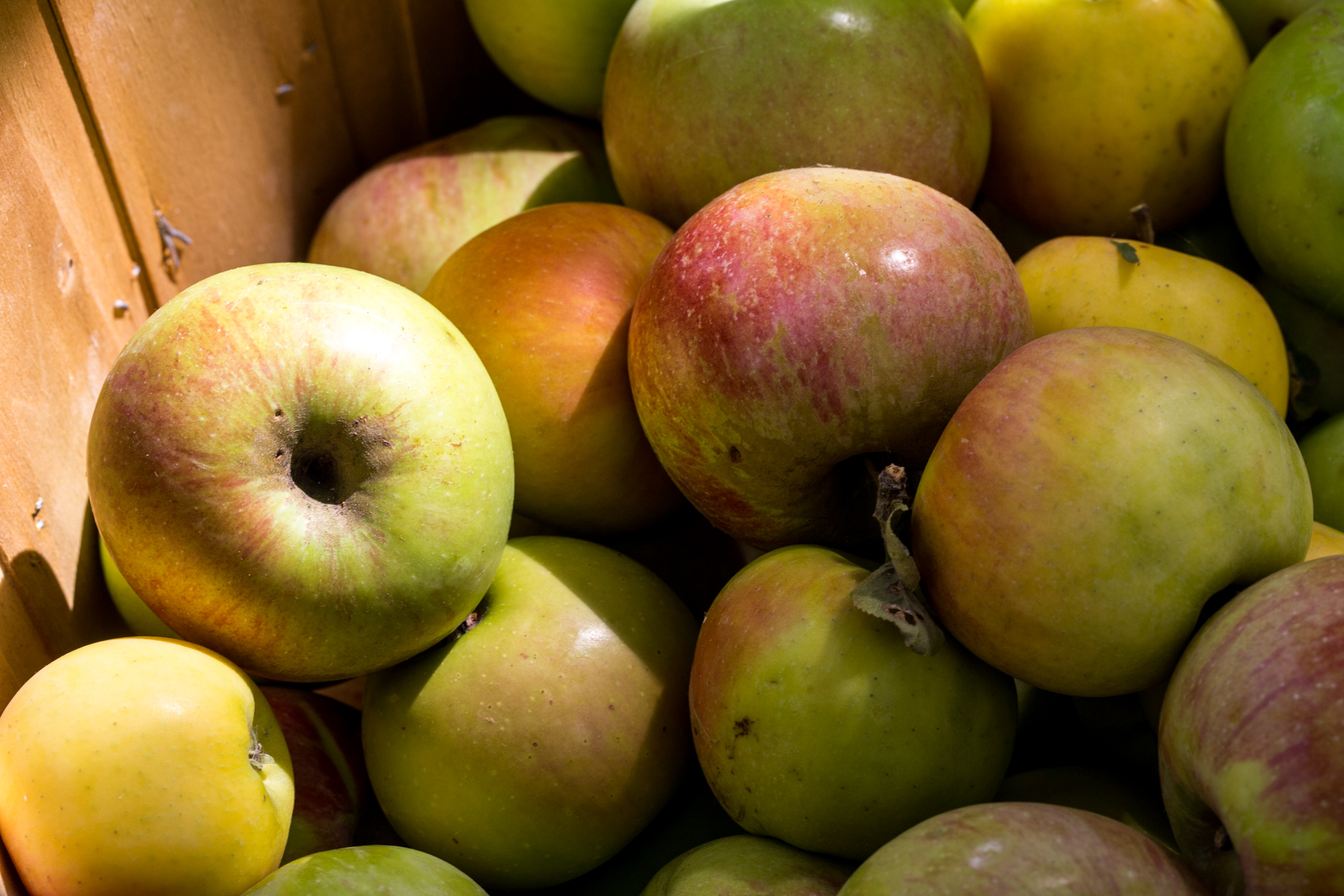
If there is no gluten-free beer, you still have choices. According to Coeliac UK, cider, wine, sherry, spirits, port and liqueurs are gluten free. Spirits are distilled, and Coeliac UK says this includes malt whisky made from barley. Ordinary cider and perry are made from fruit rather than grain.
Criterion 4: Cocktails and mixed drinks
Spirits may be safe, but cocktails can include other ingredients. Ask what goes into a cocktail, especially if it includes a beer, a malt-based ingredient or a pre-made mix. Bartenders can usually tell you the exact recipe. When you are unsure, a spirit with a plain mixer or a glass of wine keeps things simple. Our checklist of gluten cross-contamination questions has wording that works at the bar as well as in the kitchen.
Criterion 5: How much you drink
Gluten-free does not change the general alcohol guidance. The NHS advises men and women not to drink more than 14 units a week on a regular basis, spread over three days or more, and Coeliac UK repeats this advice along with avoiding alcohol altogether if pregnant or planning a pregnancy. Alcohol-free options, including some gluten-free alcohol-free beers, are worth asking about too.
Criterion 6: The snacks that come with the drinks
Drinks often arrive with something to nibble, and that is where gluten slips back in. Bar snacks such as pretzels, many crisps and coated nuts, battered or breaded starters and anything fried in shared oil are common sources. Ask what the snacks are before they are put on the table, and do not assume a bowl of nuts is plain; some are coated or roasted with flavourings that contain wheat.
A simple script helps at a busy bar: “I have coeliac disease, so I need a gluten-free drink. Do you have a beer labelled gluten free in a bottle, and could I see the label? If not, I’ll have a cider or a glass of wine.” It is short, explains why the label matters and gives staff an easy alternative. If you are ordering food too, mention coeliac disease again to whoever takes the food order, because bar staff and kitchen staff may be different people.
Frequently asked questions
Is all beer off limits with coeliac disease?
Ordinary beer, lager, stout and ale contain gluten and are not suitable. Beers specifically labelled gluten free, with 20 ppm or less, are an option.
Is cider gluten free?
Coeliac UK says cider and perry are gluten free. Check flavoured versions or mixed drinks for added ingredients.
Can I trust a gluten-free beer on draught?
It depends on how the bar manages its lines. Ask whether the gluten-free beer has its own tap and line; if staff are unsure, choose a sealed bottle.
Ordering with confidence
Ask for a labelled gluten-free beer in a bottle or can, or choose cider, wine or a spirit with a plain mixer. Check cocktails and draught lines, and drink within the guidelines. If you are newly diagnosed, your dietitian or Coeliac UK can help with specific products. For more on eating out without gluten, see our gluten-free guides, including our advice on eating out with coeliac disease.