The most common gluten-free myths are that gluten-free means zero gluten, that oats always contain gluten, that coeliac disease is a food allergy, that a little gluten does no harm, and that a coeliac kitchen needs separate everything. The evidence points elsewhere: “gluten-free” has a legal threshold rather than meaning zero, pure oats do not contain gluten but are often contaminated, coeliac disease is an autoimmune condition, and ordinary washing up removes gluten. Knowing which is which makes ordering at a restaurant far less stressful.
Here are the myths that come up most often, one at a time.
Key takeaways
- Coeliac disease is an autoimmune condition, not an allergy or a preference.
- “Gluten-free” labels mean below a legal limit, 20 parts per million in the US, not zero.
- Oats do not contain gluten but are often contaminated; choose oats labelled gluten-free.
- Crumbs and shared toasters matter more than shared sponges.
- A gluten-free menu label is only as reliable as the kitchen’s handling.
Myth: coeliac disease is just a gluten allergy
Fact: The NHS describes coeliac disease as an autoimmune condition, where the immune system mistakenly attacks healthy tissue. In coeliac disease, eating gluten triggers an attack on the lining of the small intestine, which affects how well nutrients are absorbed. The NHS estimates it affects at least 1 in 100 people in the UK.
The difference matters when you order. Wheat allergy and coeliac disease are managed differently, and kitchens sometimes treat “gluten-free” as a lifestyle choice. Saying “I have coeliac disease” tells staff that small amounts and cross-contamination matter.
Myth: gluten-free means there is no gluten at all
Fact: Gluten-free claims are set against a threshold. The US Food and Drug Administration’s questions and answers on gluten-free labelling explain that any unavoidable presence of gluten in a food labelled gluten-free must be less than 20 parts per million, and that the claim cannot be used on food made with wheat, rye, barley or their crossbred hybrids unless processed to remove gluten. Our explainer on gluten-free labelling rules sets out how the UK and US approaches compare.
The FDA also notes that its regulation covers packaged foods rather than restaurant food, though it recommends that restaurants making gluten-free claims be consistent with its definition. In practice, a menu label tells you what the restaurant intends; how the kitchen handles the food decides the result.
Myth: oats are always off limits
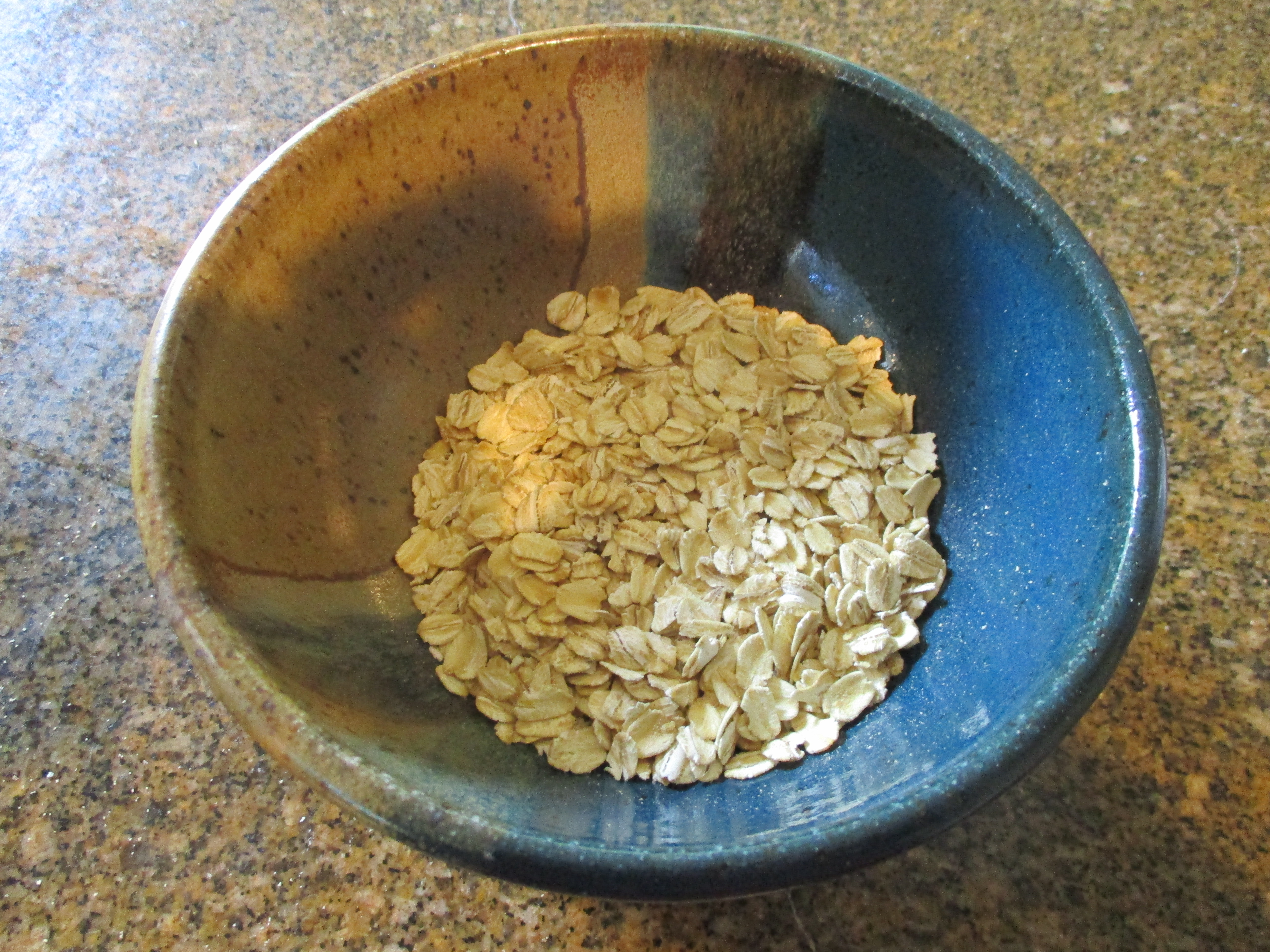
Fact: The NHS says oats do not contain gluten, but they can cause a reaction if they are produced alongside wheat, barley or rye, and a small number of people with coeliac disease may react even to pure oats. That is why oats labelled gluten-free are the safe choice, rather than any oats.
| Belief | What the guidance says | What to do when eating out |
|---|---|---|
| Oats contain gluten | Oats do not contain gluten but are often contaminated | Ask whether porridge, granola or oat milk is labelled gluten-free |
| All oats are fine | A small number of people with coeliac disease react to pure oats | Follow your own clinician’s advice on oats |
| Oat flapjacks are safe | Recipes may add wheat flour or use standard oats | Ask about every ingredient, not just the oats |
Myth: a few crumbs will not hurt
Fact: For someone with coeliac disease, the aim is to avoid gluten as consistently as possible. The NHS notes that complications, such as osteoporosis and certain types of anaemia, mainly affect people who keep eating gluten or who have not been diagnosed. That is why cross-contamination from shared toasters, fryers and serving spoons is taken seriously.
Our checklist of questions to ask about gluten cross contamination covers the kitchen equipment that most often causes problems.
Myth: you need a completely separate kitchen
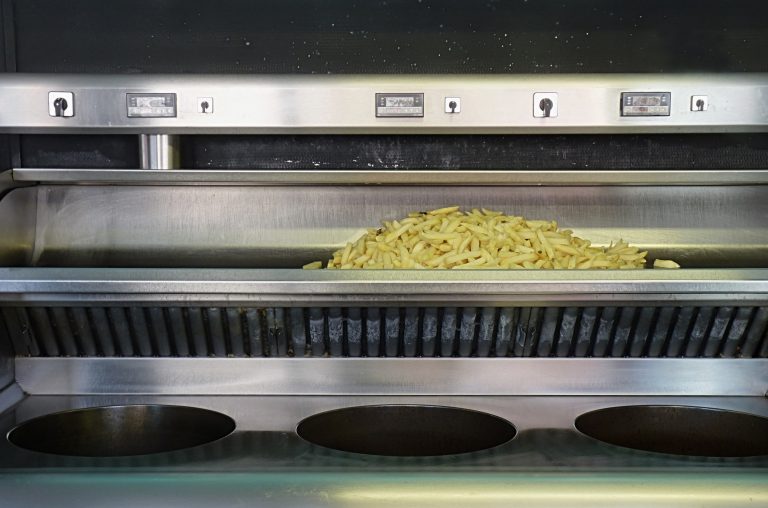
Fact: Coeliac UK’s guidance on cross contamination at home says standard washing-up liquid or a dishwasher will remove gluten, and that you do not need separate cloths or sponges. The focus is on crumbs and oil: separate condiments or clean cutlery in shared spreads, toaster bags or a separate toaster, separate bread boards, and clean oil or a separate fryer for gluten-free food.
The same logic applies in a restaurant. A shared kitchen can serve gluten-free food safely if it controls those crumb and oil points. Ask about the fryer and the toaster rather than whether the kitchen is gluten-free throughout.
Myth: gluten-free food is automatically healthier
Fact: Gluten-free is a medical requirement for people with coeliac disease, not a health label. The NHS advises that a gluten-free diet should still be healthy and balanced. Many gluten-free versions of cakes, breads and pastries are just as rich as the originals. If you suspect gluten is causing you problems, talk to your GP before cutting it out, so that any testing can be discussed first.
Frequently asked questions
Can I just pick the croutons off a salad?
No. Removing visible gluten does not remove the crumbs or contact. Ask for a fresh salad made without them.
Is a “gluten-free” menu label a guarantee?
No. It shows what the restaurant intends. Ask how the dish is prepared, especially about shared fryers, toasters and surfaces. Our guide to eating out with coeliac disease walks through the conversation.
Do I need to avoid oats if I have coeliac disease?
Not necessarily. The NHS says most of the risk comes from contamination, with a small number of people reacting to pure oats. Choose oats labelled gluten-free and follow your healthcare team’s advice.
Leave gluten-free myths at the door
Once the myths are cleared away, eating out gluten-free comes down to a few good questions: is it made without wheat, barley and rye, what about the fryer and toaster, and are the oats labelled gluten-free. For more on the subject, see our gluten-free section.