Eating out with a sesame allergy means looking beyond the seeds you can see. Sesame appears in tahini, hummus, many dressings and dips, some breads and buns, and oils used for cooking, so the safest approach is to tell staff about your allergy before you order, ask specifically about sauces, breads and cooking oil, and choose simple dishes when answers are unclear. Sesame is one of the 14 allergens UK food businesses must declare and has been a major allergen in the US since January 2023, which makes asking easier, but it still relies on you asking. Here is a step-by-step approach.
Key takeaways
- Sesame hides in tahini, hummus, dressings, breads, buns and cooking oils as well as visible seeds.
- Sesame oil is usually unrefined and should be avoided along with the seeds.
- Tell staff about your sesame allergy before ordering and ask about sauces, breads and oil.
- Carry your prescribed medication and know the signs of a serious reaction.
Step 1: Know where sesame allergy risks hide
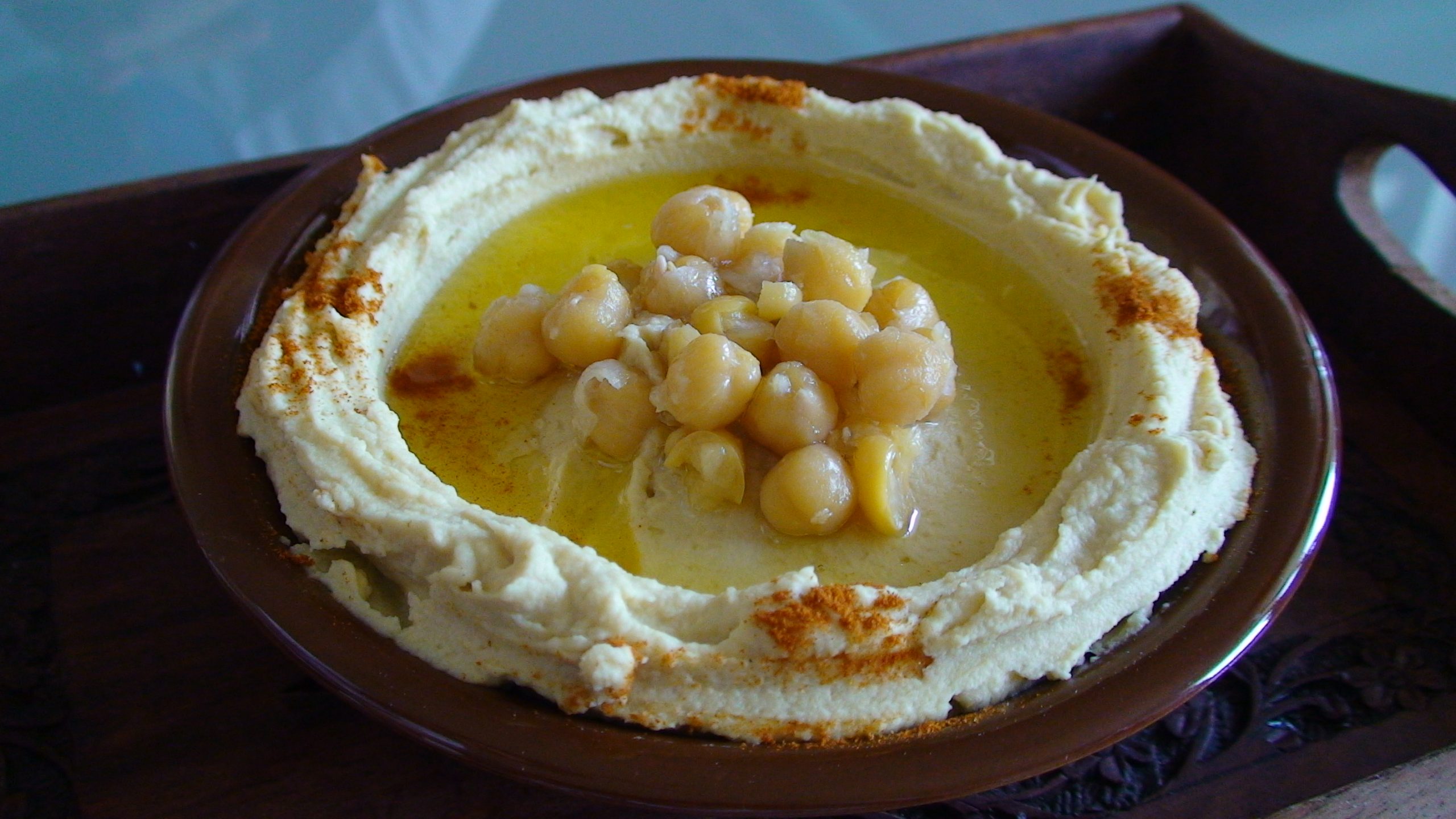
Anaphylaxis UK’s sesame allergy factsheet lists the obvious and less obvious sources. Tahini, a sesame paste, is the base of most hummus. Sesame also appears in seasonings such as gomashio and furikake, in halva, and sometimes in veggie burgers, breadsticks, burger buns and stir-fry oils. Loose bakery items may have seeds baked into the dough rather than sprinkled on top.
| Where to look | Why it matters |
|---|---|
| Dips and spreads | Hummus and baba ganoush are often made with tahini |
| Dressings and sauces | Some dressings and marinades use sesame oil or tahini |
| Breads and buns | Seeds may be on top or inside the dough |
| Stir-fries and noodles | Sesame oil is a common finishing oil |
| Coatings and toppings | Seeds can be used in crusts, salads and garnishes |
| Sweets | Halva and some biscuits and bars contain sesame |
The same factsheet advises avoiding sesame oil as well as the seeds, because it is usually unrefined and contains the proteins that trigger reactions. If you have been told otherwise by your own allergy specialist, follow their advice.
Step 2: Check how labelling works where you are
In the UK, sesame is one of the 14 allergens that food businesses must tell you about. In the United States, the Food and Drug Administration explains that the FASTER Act declared sesame the ninth major food allergen, with the change taking effect on 1 January 2023. Our comparison of major food allergens in the UK, EU and US sets out the differences between the lists.
Labelling rules cover packaged food and allergen information, but restaurant kitchens still depend on staff knowing what goes into each dish, so the conversation at the table matters.
Step 3: Tell staff before you order
When you sit down, say clearly that you have a sesame allergy and that even small amounts can cause a reaction. Our step-by-step guide on telling a restaurant about your food allergy covers how to phrase this so it is taken seriously. Then ask:
- Does this dish, its sauce or its dressing contain sesame or tahini?
- Is sesame oil used for cooking or finishing?
- Does the bread or bun have sesame seeds on it or in it?
- Are fryers, grills or woks shared with sesame dishes?
Step 4: Choose lower-risk dishes
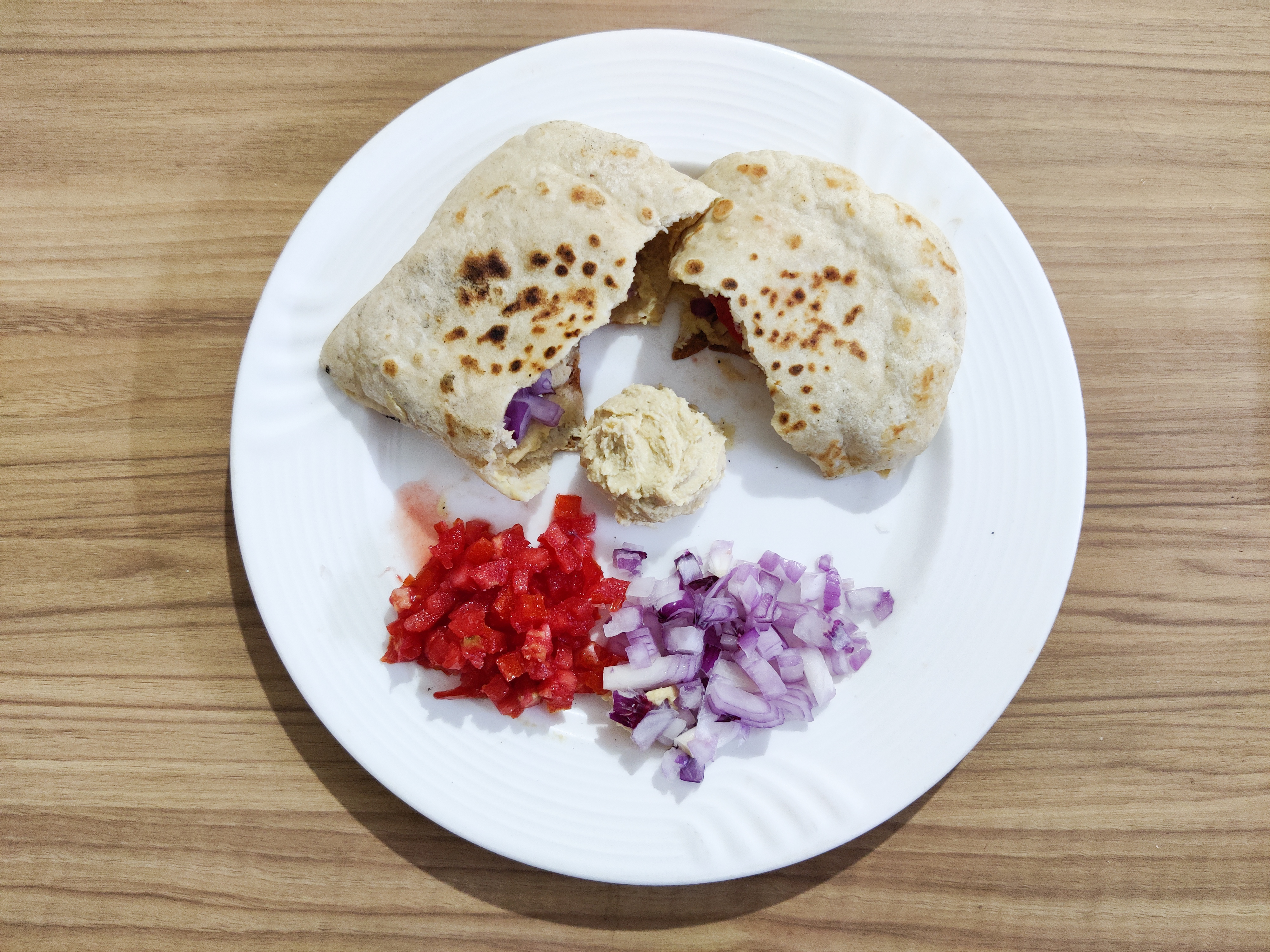
Some cuisines use sesame widely, including many Middle Eastern, East Asian and Mediterranean menus. That does not mean you must avoid them, but it does mean being extra careful. Simple grilled dishes with plain sides, where you can confirm each component, are usually easier to check than mixed plates with several sauces. An allergy chef card can help when there is a language barrier.
Bakeries and cafés deserve particular care. Loose items such as rolls, bagels and pastries are often displayed together, so seeds can transfer between them on trays, tongs and shelves, and staff may not know exactly what is in each item if it was made elsewhere. If you cannot get a clear answer, choose a packaged item with a label you can read, or something from a kitchen that can confirm its ingredients. The same applies to sauces brought in ready-made: ask whether staff can check the original label.
Step 5: Be ready if something goes wrong
Anaphylaxis UK notes that reactions usually start within minutes, though serious reactions can sometimes begin up to 90 minutes later. Breathing difficulty, throat swelling or collapse are signs of anaphylaxis, which needs emergency treatment. The factsheet advises people prescribed adrenaline to carry two in-date devices at all times. Follow the allergy plan agreed with your own doctor.
Frequently asked questions
Is hummus always made with sesame?
Traditional hummus contains tahini, which is made from sesame. Some versions are made without it, but you should always check rather than assume.
Can I eat food cooked in sesame oil if I have a sesame allergy?
Anaphylaxis UK advises avoiding sesame oil as well as the seeds, because it is usually unrefined. Ask your allergy specialist about your own situation.
Do restaurants have to tell me if a dish contains sesame?
In the UK and the US, sesame is a regulated allergen, and UK restaurants must provide allergen information on request or on the menu. Always ask, as recipes can change.
Planning your next meal out
Check menus in advance, phone ahead if a cuisine uses sesame often, tell staff about your allergy before ordering, and ask about breads, sauces and oils every time. Keep your medication with you and choose simpler dishes when answers are uncertain. For more on eating out with allergies, see our food allergies guides.