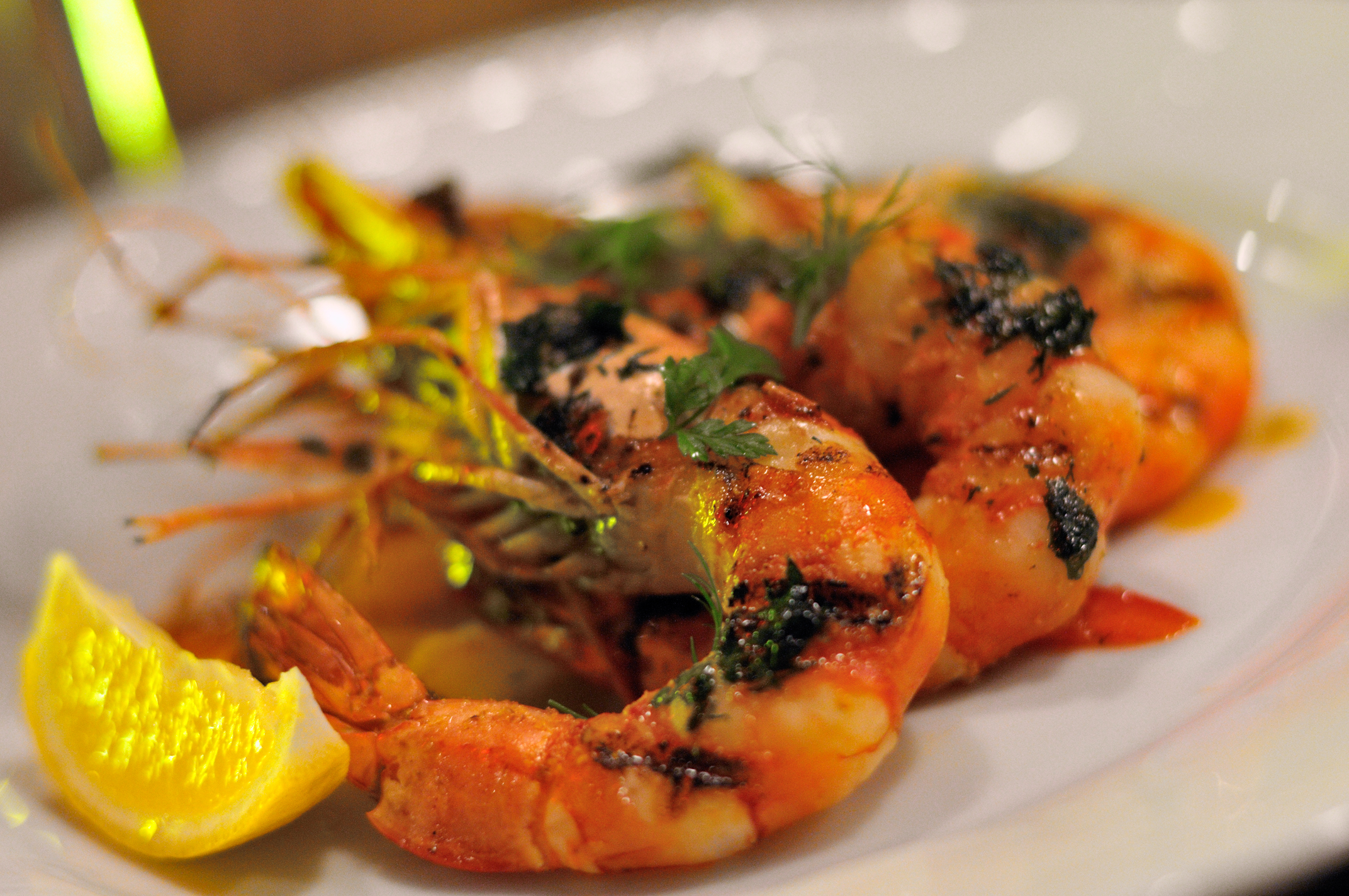
A shellfish allergy is a reaction to proteins in shellfish, most often crustaceans such as prawns, crab and lobster, and sometimes molluscs such as mussels, clams and oysters. It is not caused by iodine, it often starts in adulthood, cooking does not make shellfish safe for someone who is allergic, and it is separate from fish allergy. For diners, the practical upshot is that cross-contamination in seafood kitchens matters as much as what is on your plate.
Because shellfish allergy is surrounded by half-remembered advice, it is worth going through the common beliefs one by one.
Key takeaways
- Crustaceans and molluscs are two different groups; in the UK they are listed as separate allergens.
- Iodine is not the cause; shellfish allergy is a reaction to proteins such as tropomyosin.
- It frequently begins in adulthood, even in people who ate shellfish for years.
- Cooking does not reduce the risk, and steam from cooking shellfish can carry protein.
- Seafood kitchens carry a high cross-contamination risk, so ask how food is stored and prepared.
Myth: shellfish allergy is an allergy to iodine
Fact: The American Academy of Allergy, Asthma and Immunology explains in its page on shellfish allergy that the reaction is caused by muscle proteins called tropomyosin, and that iodine is not an allergen. The academy also says that having a shellfish allergy does not mean a person needs to avoid iodine-based contrast dyes used in medical scans.
That matters at the table too. Iodised salt or seaweed has nothing to do with the allergy. The proteins in the shellfish themselves are what you need to avoid. If you have any concerns about a medical procedure, raise them with the clinician responsible.
Myth: if you were fine as a child, you will always be fine
Fact: The American College of Allergy, Asthma and Immunology notes in its overview of shellfish allergy that shellfish allergies most frequently develop in adulthood, though they can affect children. The AAAAI adds that the allergy is more common in adults than children and may not appear until later in life.
So a first reaction after years of eating prawns is not unusual. Any new symptoms after eating shellfish are worth discussing with your GP, who can refer you to an allergy specialist.
Myth: shellfish is shellfish, so you must avoid all of it
Fact: Shellfish falls into two broad groups, and allergy patterns differ between them.
| Group | Examples | What the guidance says |
|---|---|---|
| Crustaceans | Prawns, shrimp, crab, lobster | The ACAAI says this group causes the greatest number of allergic reactions; people allergic to one crustacean are often allergic to others |
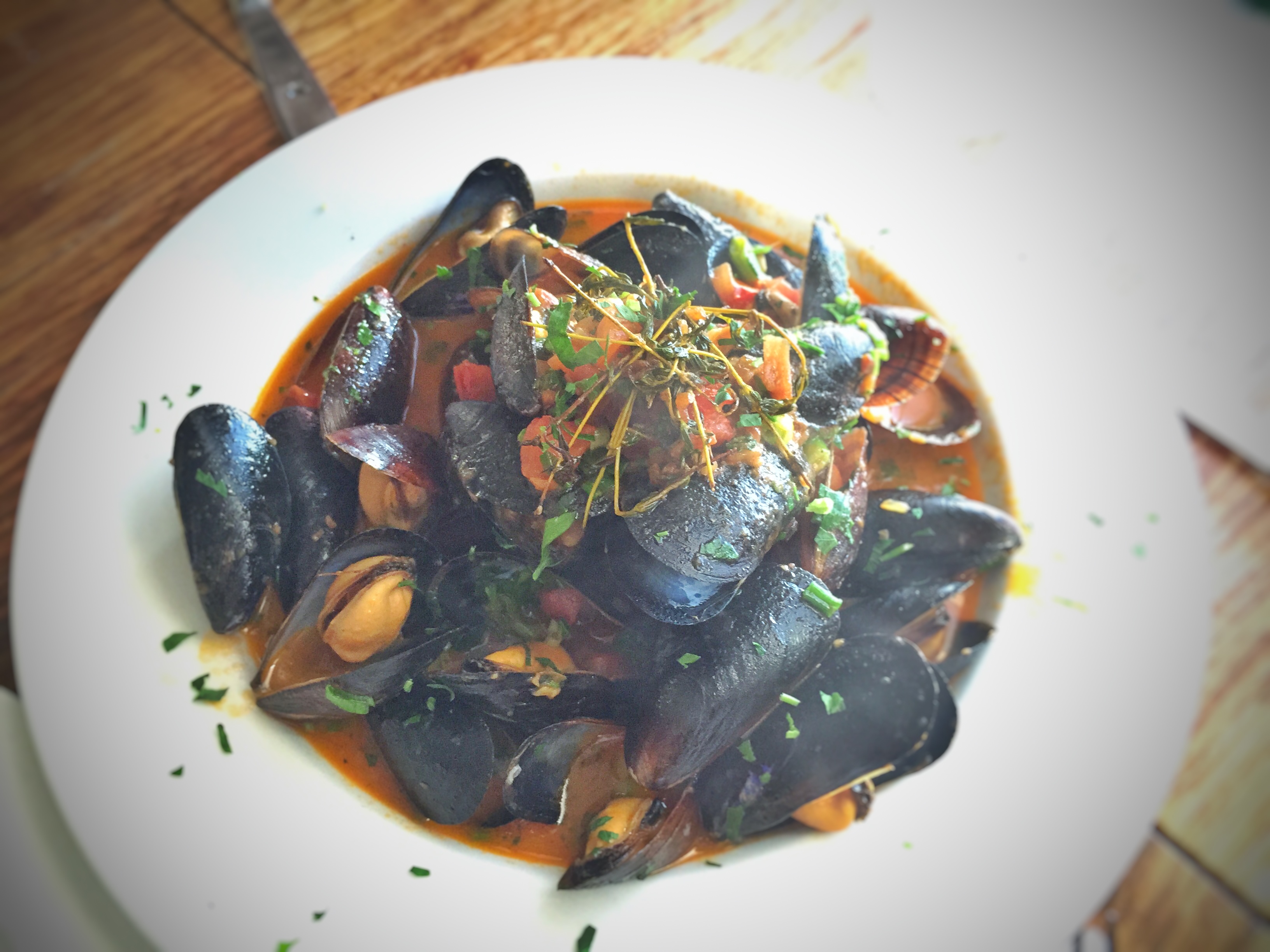
| Molluscs | Mussels, oysters, clams, scallops, squid | Many people with a crustacean allergy can eat molluscs, but should see an allergist before trying them |
UK law reflects the split. The Food Standards Agency’s advice for consumers lists crustaceans and molluscs as two separate entries among the 14 allergens that food businesses must give information about. That means a UK restaurant should be able to tell you about each group separately. Our comparison of major food allergens in the UK, EU and US explains how these lists differ between countries.
Myth: shellfish allergy means you cannot eat fish
Fact: According to the ACAAI, shellfish allergy is distinct from fish allergy: people allergic to shellfish do not necessarily need to avoid fish, and the reverse is also true. Some people do have both, and your allergist can tell you which you need to avoid.
In practice, fish and shellfish are often prepared side by side, so even if fish is safe for you, ask how it was cooked. A fish fillet fried in the same oil as battered prawns is a cross-contamination risk.
Myth: thorough cooking makes shellfish safe
Fact: NHS guidance on fish and shellfish states that cooking fish or shellfish does not make someone with a fish or shellfish allergy less likely to have a bad reaction. Cooking can kill bacteria; it does not remove the allergenic proteins.
The ACAAI also warns that cooking vapours may carry small particles of shellfish protein, so being close to shellfish being cooked can potentially trigger a reaction in very sensitive people. If that applies to you, ask to sit away from open grills and steam stations.
Myth: shellfish is easy to spot on a menu
Fact: Whole prawns are obvious. Other forms are not. The ACAAI notes that shellfish can appear in fish stock, seafood flavouring, sushi and surimi, and that shellfish is often stored together in restaurants and markets, so cross-contamination can occur. Other places to ask about include:
- Paella, bouillabaisse, chowders and other mixed seafood dishes.
- Curry pastes, stir-fry sauces and dipping sauces, some of which are made with dried shrimp or shrimp paste.
- Fried starters cooked in shared fryers.
- Garnishes and dressings on salads and seafood platters.
A printed card helps get this list to the kitchen; see our guide to making an allergy chef card.
Frequently asked questions
Can I eat at a seafood restaurant with a shellfish allergy?
Some people do, with care, but the risk of cross-contact is higher where shellfish is stored, prepared and cooked throughout the kitchen. Ask detailed questions, and follow the advice of your allergy specialist on whether it is sensible for you.
Is a shellfish allergy lifelong?
The ACAAI says allergies to fish and shellfish typically last a lifetime. Assume yours will persist unless your specialist tells you otherwise after testing.
What should I carry when eating out?
Carry any medicines your clinician has prescribed, such as adrenaline, every time you eat out, and know how to use them. The AAAAI notes that avoiding contact with shellfish is the only sure way to manage symptoms.
Order with the facts, not the folklore
Know which group you react to, forget the iodine story, assume cooking changes nothing and ask about shared fryers and stocks. The same approach works for other allergens, as our walkthrough on dining out with a nut allergy shows. For more practical guides, visit our food allergies section.