Dining out with a nut allergy is manageable when you plan each stage: choose the restaurant with care, call ahead at a quiet time, tell staff clearly which nuts you must avoid and how serious the allergy is, check the sauces, desserts and frying oil, and keep your prescribed medicines with you. If staff seem unsure at any point, leaving is a sensible choice, not an overreaction.
To make that concrete, the walkthrough below follows a single, typical evening out. The steps are the same whether the allergy is yours or your child’s.
Key takeaways
- Peanuts and tree nuts are different allergies; know exactly which nuts you must avoid.
- Sauces, pesto, desserts, breads and some cuisines are common hiding places.
- Call ahead at a quiet time, then repeat the details in person on the night.
- Ask about cross-contamination, shared fryers and garnishes, not just the main ingredients.
- Carry the medicines your clinician has prescribed, every time.
Before dining out with a nut allergy: know your own triggers
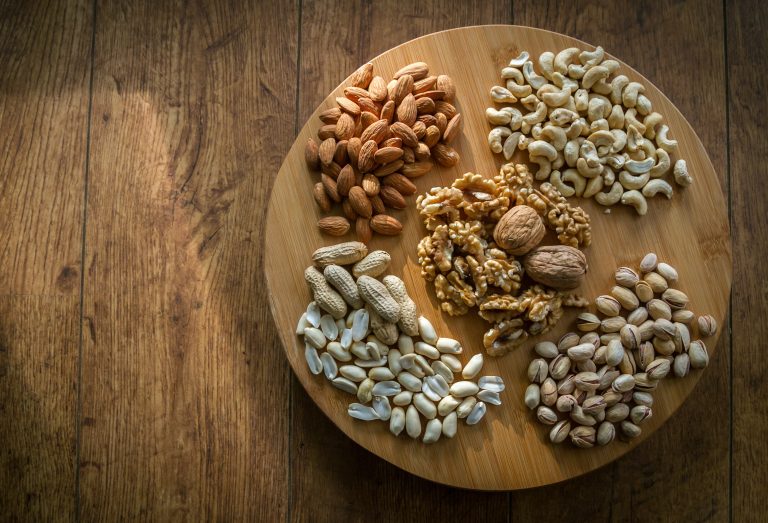
Everything goes more smoothly when you can say precisely what you avoid. Anaphylaxis UK’s factsheet on peanut and tree nut allergy explains that the peanut is a legume, in the same family as peas, beans and lentils, while tree nuts such as almonds, hazelnuts, walnuts, cashews, pecans, Brazil nuts, pistachios and macadamias belong to different plant families. Many people react to peanuts but not tree nuts, or the reverse, and some people with a tree nut allergy react to only one or two types.
That is why “I have a nut allergy” is less useful to a kitchen than “I am allergic to peanuts and cashews, but not to other nuts” or “I must avoid all tree nuts and peanuts”. If you are not sure which nuts are safe for you, the factsheet recommends allergy testing through your GP and specialist before trying any.
Step one: choosing the restaurant
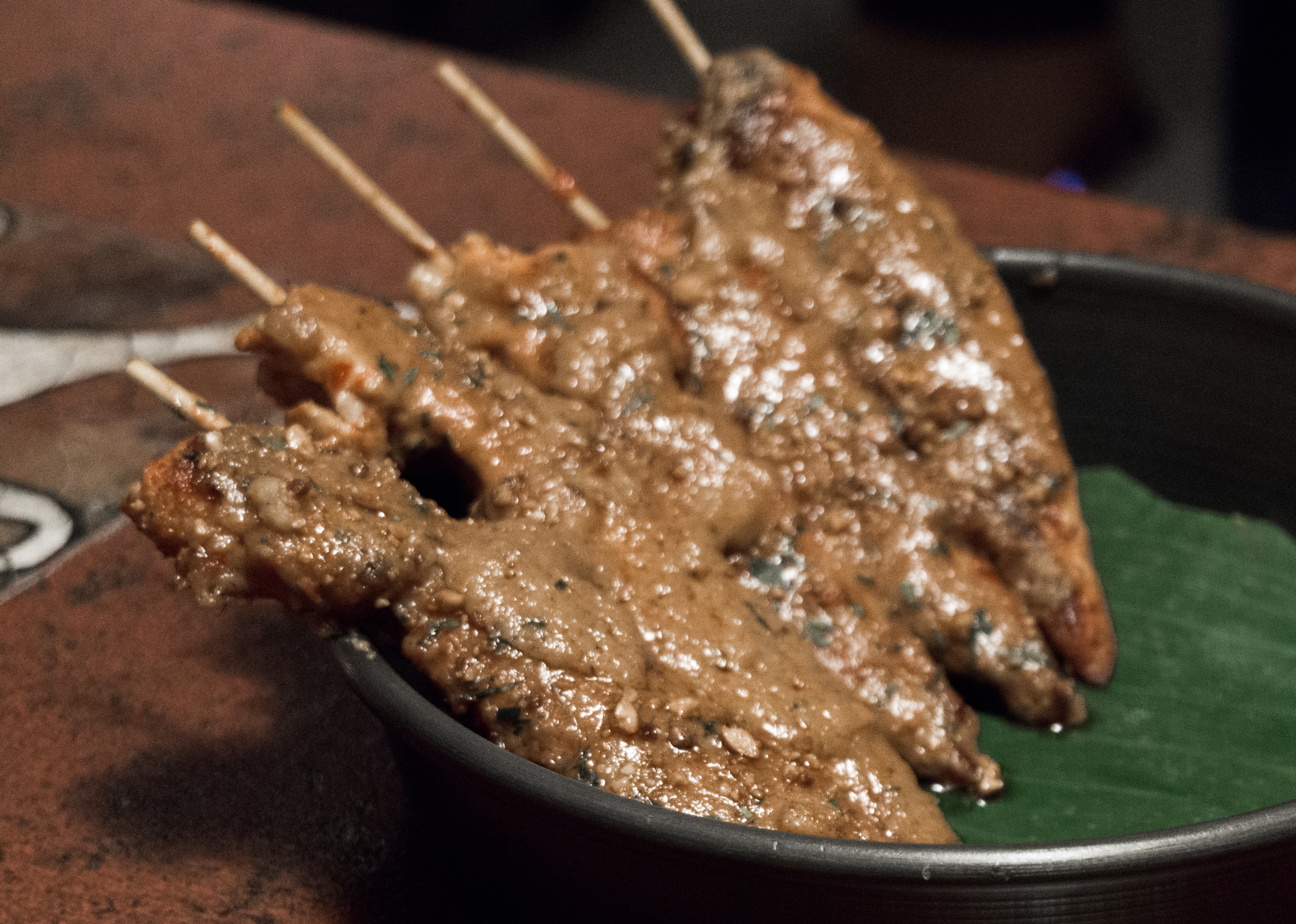
Say you are planning dinner for four on a Saturday and one of you has a severe peanut and tree nut allergy. Start with the menu online. The Anaphylaxis UK factsheet lists foods that often contain peanuts or tree nuts, including satay and pesto sauces, marzipan and praline, salads and dressings, nut roasts, gluten-free and vegan products, cakes and pastries, ice cream and desserts, and some multicultural cuisines, particularly Thai, Indian and Chinese.
That does not rule those cuisines out, but it changes the questions you will need to ask and how confident the kitchen must be. A restaurant where nuts appear across the menu carries more cross-contamination risk than one where they appear in a single dessert.
Step two: the phone call
Call at a quiet time, such as mid-afternoon, rather than during service. NHS Scotland’s CYANS guidance on eating out recommends phoning ahead to discuss your needs and, where possible, speaking to a manager or the chef.
A short script works well:
- “One of our party has a severe allergy to peanuts and all tree nuts. Even a small amount can cause a serious reaction.”
- “Which dishes could you prepare safely, and how do you prevent cross-contamination?”
- “Do you use nut oils, and do you share a fryer with anything containing nuts?”
- “Could you note the allergy on the booking?”
Listen for specifics. A clear, practical answer is reassuring. Vague replies, such as “everything might contain nuts”, tell you something useful too.
Step three: on the night
When you arrive, repeat the allergy to your server even though it is on the booking, since shifts change. A written card that goes to the kitchen helps; our guide to making an allergy chef card shows the wording. The CYANS guidance suggests asking for the allergy to be written on a separate, clearly different order slip, and for the meal to be brought separately from everyone else’s.
Then go through the order item by item:
| Part of the meal | What to ask |
|---|---|
| Bread and starters | Are any breads made with nuts or nut flours, or glazed with nut products? |
| Sauces and dressings | Is there pesto, satay, nut butter or nut oil in any sauce or dressing? |
| Main course | Are any garnishes, crumbs or crusts made with nuts? |
| Frying | Is the fryer oil shared with anything containing nuts? |
| Desserts | Are there praline, marzipan, frangipane or nut pieces, and how are desserts prepared? |
The factsheet also notes that refined peanut oil does not cause reactions in most people with peanut allergy, while people with tree nut allergy should avoid oils made from the nuts. Follow your own specialist’s advice on oils rather than assuming either way.
For a step-by-step approach to the conversation itself, see how to tell staff about a food allergy at a restaurant.
Step four: when the food arrives
Check that the plate in front of you is the allergy order. If a dish arrives with something unexpected, such as a sprinkle of seeds or a drizzle you did not discuss, send it back and ask for a fresh plate rather than scraping it off.
The NHS page on food allergy lists the signs of a serious reaction, including sudden swelling of the lips, mouth, throat or tongue and difficulty breathing, and says to use an adrenaline auto-injector immediately if you have one and then call 999. Anaphylaxis UK advises carrying two in-date forms of prescribed adrenaline at all times. The CYANS guidance adds an important practical point: if someone starts to react, do not let them go outside or to the toilet alone.
Frequently asked questions
Are coconut, nutmeg and pine nuts tree nuts?
Anaphylaxis UK notes that pine nuts, coconut, nutmeg and chestnut have “nut” in the name but are not tree nuts, and are likely to be safe if you have never reacted to them. Check with your allergy specialist before relying on that.
Can I trust a dish I ate safely last time?
Not automatically. Recipes, suppliers and chefs change, so ask again each visit, even at a favourite restaurant.
What if the restaurant says it cannot guarantee anything?
Many kitchens say this honestly because they handle nuts. Ask what they can do to reduce risk. If the answers do not give you confidence, it is reasonable to choose somewhere else.
Make the evening about the company
A little preparation means the allergy takes up five minutes of the evening rather than all of it. Know your nuts, call ahead, repeat it on the night, check the plate and carry your medicines. For a broader view of how allergen rules differ between countries, read our comparison of major food allergens in the UK, EU and US, and browse the rest of our food allergies section.